Life Imaging Year-End Reviews – Top 5 Tests Most People Don’t Know Exist, But Should Ask for Anyway
Most people only get tested when something feels wrong. That’s a big problem. Heart disease, cancer, and other killers often show no signs until it’s too late. But a few tests–most people haven’t even heard of–can flip the script.
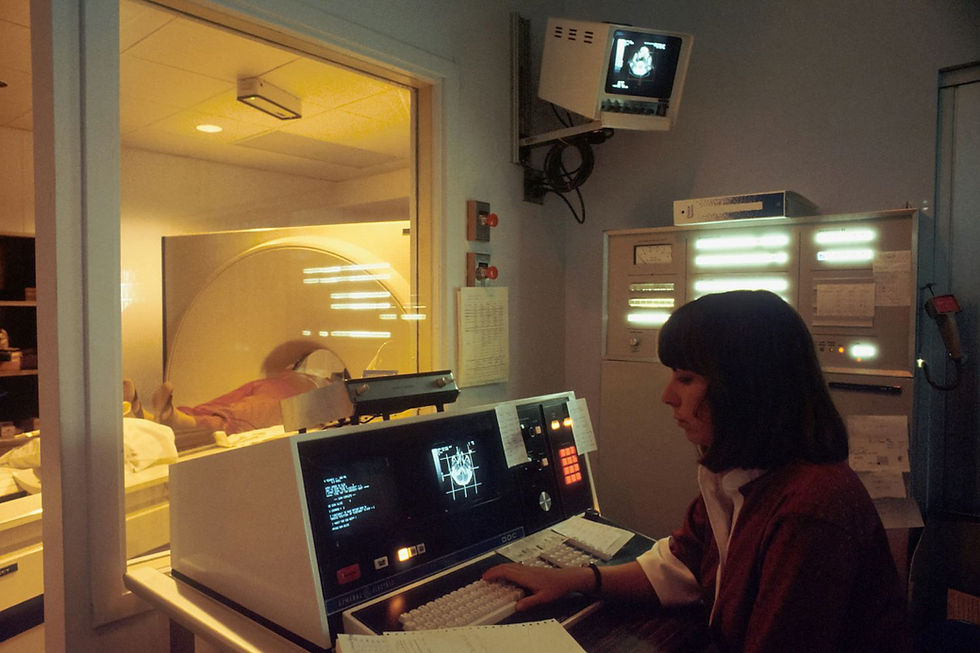
Life Imaging in Florida is an expert in this space. Founded by Tom Graham in 2020 after losing both parents to cancer, the clinic has screened over 100,000 people and saved more than 20,000 lives through early heart scans alone. They focus only on preventive screening–no waiting for symptoms, no referrals required.
A team member told us, “We had a patient come in for a routine heart scan. He had no symptoms. But his calcium score came back over 900. His doctor put him on immediate treatment. That scan probably added 20 years to his life.”
Here are five tests that could do the same for you–or someone you love.
1. Coronary Artery Calcium (CAC) scan
Heart attacks don’t give warnings
A CAC scan checks for calcium buildup in the arteries around your heart. That buildup can mean early heart disease–even if you feel fine.
The scan is quick, painless, and takes about 10 minutes. No needles. No prep.
Why it matters: A high calcium score = higher risk of a heart attack, even in people with “normal” cholesterol and no symptoms. According to the American Heart Association, CAC scores are one of the best predictors of cardiac events. In fact, someone has a heart attack every 40 seconds in the U.S.
“We see young guys in their 30s with scores over 300,” says the Life Imaging team. “They look healthy but are walking around with ticking time bombs. This test gives them a wake-up call—before it’s a 911 call.”
Who should ask for it:
Men over 40 and women over 45
Anyone with a family history of heart disease
Smokers, diabetics, or people with high blood pressure
People who just want peace of mind
2. Low-dose CT lung scan
The silent killer with no early signs
Lung cancer is the leading cause of cancer death in the U.S. Most cases are found late, when the survival rate drops below 20%. But early detection can flip that number closer to 70-90%.
A low-dose CT scan checks for small nodules or spots in your lungs. It uses far less radiation than a normal CT. No needles. Fast results.
Even non-smokers can benefit. Many lung cancers show up in people without a strong smoking history.
“We had a woman come in after her mom passed from lung cancer,” says Life Imaging. “Her scan found a tiny nodule. Doctors removed it before it spread. That scan probably saved her life.”
Who should ask for it:
Smokers or former smokers over 50
Anyone with family history of lung cancer
People with chronic cough, shortness of breath, or wheezing–even if mild
3. Full body scan
One scan. Dozens of insights
A full-body scan checks your vital organs–lungs, liver, kidneys, pancreas, bladder, spine, and more. It can pick up cysts, tumors, aneurysms, and other issues while they’re still small.
These are low-radiation, fast scans. You can be in and out in under an hour.
They won’t replace diagnostic scans your doctor might order, but they catch issues most people don’t even know are forming.
“Sometimes we find liver cysts the size of baseballs and the patient has no idea,” says Life Imaging. “Or an abdominal aortic aneurysm that’s just a few millimeters from bursting. We get them to surgery fast. That’s the point.”
Who should ask for it:
Adults over 40
People with unexplained symptoms
Those with a family history of cancer or aneurysms
Anyone wanting a baseline of their health
4. Carotid artery ultrasound
Stroke doesn’t always start in the brain
This test checks the arteries in your neck that supply blood to your brain. It’s non-invasive and uses sound waves to look for narrowing or blockages.
Most strokes come from clots that form here. Catching plaque buildup early can mean medication–or even surgery–before a stroke hits.
According to the CDC, strokes cause 1 in every 6 deaths from cardiovascular disease. This scan helps change that.
“We had a guy come in after a friend had a stroke,” the team said. “His scan showed a 70% blockage. He had no symptoms. Two weeks later, he had surgery. His doctor said he was lucky we caught it.”
Who should ask for it:
People over 50
Anyone with a history of high blood pressure or high cholesterol
Smokers
Anyone who’s had mini-strokes or sudden vision or speech issues
5. Abdominal Aortic Aneurysm (AAA) scan
The time bomb in your belly
An abdominal aortic aneurysm is a ballooning of the main artery in your abdomen. If it bursts, it can be deadly in minutes. Most people don’t feel anything until it’s too late.
An ultrasound can spot it early. The scan is quick and painless.
The U.S. Preventive Services Task Force recommends a one-time screen for men ages 65-75 who have ever smoked. But Life Imaging says they’ve seen aneurysms in people as young as 45.
“We had a father and son come in together,” said one staff member. “Both scanned. The dad had a massive aneurysm. He had no idea. His son’s scan was clean, but that day may have saved his dad’s life.”
Who should ask for it:
Men over 60
Anyone who has smoked
Anyone with family history of aneurysms
People with high blood pressure or heart disease
The bottom line
If you're waiting for symptoms to show up, you're already behind. These five tests aren’t part of a regular checkup. But they should be.
They don’t require hospital stays, long waitlists, or invasive prep. And they can find problems early—when they’re still fixable.
Life Imaging says it best: “Most people only take action once they feel something. We want to catch what they can’t feel yet.”
Be the person who asks for the scan. Not the one who wishes they had.