Ketamine-Assisted Psychotherapy – What It Is, Why It Works, and How to Use It
Will Kimmins is an expert in trauma and the effects of chronic stress on mental health. Following a decades-long career in Special Operations for the US military, Will founded and owns Overwatch Counseling Services in multiple states in the USA.

My first exposure to Ketamine had nothing to do with mental health and was long before I became a therapist. I underwent some major remodeling of my leg for reconstruction after some serious injuries. During the long and grueling rehab that came after the surgeon did his work, I was struggling to regain function, and my physical therapist mentioned a medical intervention where the patient is sedated using Ketamine and then limb range of motion is manually restored before physical therapy resumes after a brief recovery period.
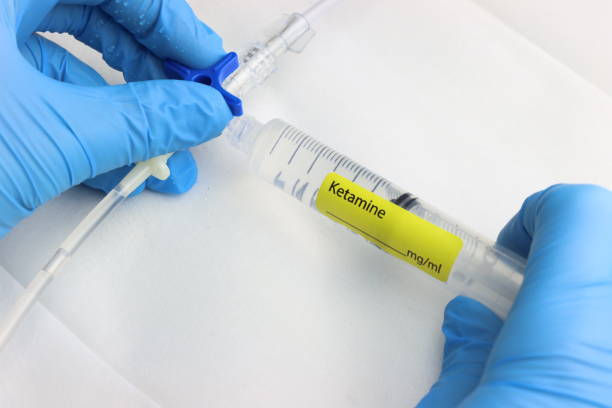
The manual manipulation would be too painful for the patient to tolerate without sedation, and since Ketamine is known to be a dissociative drug, it has the added benefit of the patient not remembering the procedure. That discussion came very much to the forefront when I heard about the idea of Ketamine being used for therapy purposes later on.
I want to establish some mutual understanding up front: ketamine is not just for rave kids, horses, or that one friend from college who insisted it was “a spiritual portal, man.” Ketamine has emerged as one of the most promising new tools in modern mental health treatment, and it’s not even that new. It’s been on the WHO’s list of essential medicines for decades. So what changed?
We did. Mental health treatment has begun catching up to the complexity of the human brain, and we’re finally allowing a little neuroplasticity to join the party. The intent here is to walk you through how ketamine-assisted psychotherapy (KAP) works, what it treats, who can prescribe it, and why the best results happen when medication and therapy work together.
Wait, ketamine? really?
Yes, really. Clinically, ketamine is a dissociative anesthetic that acts primarily as an NMDA receptor antagonist. Translation: it helps uncouple stuck brain patterns and lets new ones emerge. It doesn’t erase trauma or sadness; it loosens the grip those thoughts have over your perception.
Originally approved as an anesthetic in the 1970s, ketamine is now used in sub-anesthetic doses to treat conditions like:
Major Depressive Disorder (MDD)
Treatment-Resistant Depression (TRD)
Post-Traumatic Stress Disorder (PTSD)
Generalized Anxiety Disorder (GAD
Obsessive-Compulsive Disorder (OCD)
Suicidal ideation (that one’s not a diagnosis, it’s a concerning feature of many other diagnoses)
Chronic pain syndromes (as a bonus)
Spravato (esketamine), a cousin in nasal spray form, is FDA-approved specifically for TRD and MDD with acute suicidal ideation (more on that another time). Intravenous (often through a drip line like you’ve seen in hospitals), intramuscular (injectable), and lozenge forms (a.k.a. “troches”) of racemic ketamine are prescribed off-label but legally by qualified providers across the U.S. So, we remain clear on this, many drugs have off-label uses. The term really translates to “a use other than the express purpose for which this drug was created.”
So, how does it work?
At the risk of sounding like a neuroscience nerd at a dinner party: it’s all about glutamate. Ketamine increases glutamate transmission in the prefrontal cortex, which in turn boosts brain-derived neurotrophic factor (BDNF). This little miracle molecule helps the brain build new synaptic connections and increase neuroplasticity, i.e., the ability to rewire itself.
Imagine years of cognitive ruts softened enough that new paths can actually form. That’s the effect we are after in KAP, because sometimes the disorders listed above have carved such deep ruts in the client’s thinking patterns that they have no way to break those patterns by will power alone. So, we (the multi-disciplinary treatment team you should look for if you are undertaking this treatment) use the drug in a safe manner to soften up the ground and allow the client to approach certain aspects of their part or their current struggles from a different angle.
Clinically, it makes people feel more flexible, less locked into hopelessness, and open to meaning-making. That’s where the therapy comes in.
What’s the rationale for pairing it with psychotherapy?
Using ketamine without therapy is like going to IKEA, buying all the pieces for a bookshelf, and then never assembling it. You might feel good about the potential, but without integration, you’re just left with a bunch of parts on the floor and a sense of existential confusion.
The drug opens the door. Therapy helps you walk through it and rearrange the room.
During a ketamine session, people often enter a dissociative, dreamlike, or reflective state. This is prime real estate for emotional insight, memory processing, and perspective shifts.
But that doesn’t always mean the brain automatically makes good use of it. Trained psychotherapists (like yours truly) help clients contextualize the experience, frame emotional breakthroughs, and integrate changes into everyday life. That integration is the difference between a temporary high and a long-term shift.
Who’s allowed to do what?
Here’s the breakdown of who’s doing what in this new mental health wild west:
Prescribers (MDs, DOs, NPs, and sometimes PAs): They write the scrip, monitor medical vitals, and manage risk factors like hypertension, heart disease, or interactions with other medications. Ketamine is a controlled substance (Schedule III), so you need someone with prescriptive authority to get it started. In other words, unless your psychotherapist also has a DEA credential in the US, they will need to work with a prescriber for the medical requirements of this protocol.
Administrators (RNs, CRNAs, trained clinic staff): In medical clinics, the person inserting the IV or giving you the lozenge might not be the one with the prescribing license, but they work under supervision. This is common in infusion clinics.
Therapists (LCPCs, LCSWs, LMFTs, psychologists, etc.): If they’re trained in KAP, they provide pre-session prep, in-session support (depending on the specific treatment protocol being used), and post-session integration therapy. They’re not administering the medication, but they’re guiding the meaning-making process.
You (the client): You bring the pain, the curiosity, the willingness to change, and the occasional awkward question about whether the ketamine lozenge is supposed to taste like a cherry-scented lava lamp (it is not).
What happens in a typical ketamine-assisted therapy course?
Initial consultation & medical clearance
Before a molecule of ketamine touches your system, you’ll be evaluated medically and psychologically. This includes screening for:
Cardiovascular issues
Psychotic disorders
Bipolar I (ketamine can induce mania)
Substance misuse
Pregnancy
Medication contraindications. Once cleared, the real journey begins. Prep Sessions (1–3 sessions)
The therapist helps set expectations, co-develops treatment goals, and builds rapport. It’s also where you learn what to expect: things like “You might feel like a cloud of sentient fog” or “You might sob about a memory from third grade” are not hyperbole. They’re helpful prep.
Medicine sessions (typically 6–8 sessions over 2–4 weeks)
Session length varies by route:
IV Infusions: 40–60 minutes
IM (Intramuscular): about 45–60 minutes
Lozenges (Troches): ~90 minutes due to slower absorption
Spravato: about 2 hours of monitored time in a clinic
The environment is crucial. Clients are usually given eyeshades, headphones, and a quiet, dimly lit room. Think spa day for the soul, but with a licensed clinician watching your vitals.
Therapists may be present during the session, especially in the lozenge model, or may reconnect after the medicine wears off. Clients are often unable to talk clearly during peak effects, but presence matters. For some, knowing someone is holding space is profoundly healing.
Integration sessions (1–2 between each dosing, more as needed)
This is where the magic happens off the drug. This is also where the bulk of my work in this modality occurs. Clients explore what came up, unpack metaphors or images, and identify actionable insights. For example:
“I saw a train leaving the station, and I was on the platform screaming at it.”
“Sounds like a metaphor for your tendency to watch your needs pass you by. What do you think that train was carrying?”
And now we’re doing real therapy. This is the beginning of meaning-making.
How long is the whole course?
A common full protocol is:
6–8 dosing sessions over 2–4 weeks
Prep and integration sessions before, between, and after
So around 4–8 weeks in total, depending on scheduling, tolerance, and therapeutic goals. Maintenance treatments may follow every 4–12 weeks for some clients with chronic conditions, but by that point, the work is mostly integration-focused. Also, this is a single course of KAP. Like anything else in mental health, sometimes clients benefit from multiple courses of treatment spread out as they grow and change.
What does it help with?
Let’s get clinical. The conditions that respond best to KAP (with solid peer-reviewed support) include:
Major depressive disorder
Ketamine can reduce depressive symptoms within hours, not weeks, especially helpful when other meds haven’t worked. Think of it as flipping the breaker when SSRIs can’t even find the fuse box.
Treatment-resistant depression
If someone has tried two or more antidepressants without meaningful relief, ketamine offers a new pathway that doesn’t rely on the serotonin system. Some studies report response rates of over 70% for TRD patients. It’s important to note here that TRD is not just “I tried this type of talk therapy and it didn’t resolve my issues.”
PTSD
Trauma lives in the body and the brain’s default mode network (DMN). Ketamine disrupts DMN hyperactivity and allows trauma processing to occur outside the usual survival patterns. Clients can safely revisit trauma narratives without becoming overwhelmed, allowing for meaningful reprocessing.
Anxiety disorders and OCD
Although less researched than depression or PTSD, studies and case reports show promise. Clients often report reductions in obsessive looping and greater cognitive flexibility.
Suicidality
Here’s where ketamine is truly unique: it can reduce suicidal ideation within hours, regardless of whether someone has “responded” to antidepressants. That makes it an important tool for acute stabilization. Also, combined with clinical trauma professionals doing a variety of psychotherapy interventions, it has the potential to speed up crisis stabilization and improve treatment outcomes for suicidal clients.
Important: This does not mean we can or would drop crisis plans, safety protocols, or good old-fashioned human support. Ketamine is a tool, not a miracle.
But is it safe?
Yes, with caveats. In controlled environments and proper doses, ketamine is well tolerated. Side effects may include:
Nausea (Zofran is your friend)
Dizziness or imbalance
Mild dissociation or confusion
Elevated blood pressure (temporarily)
Emotional flooding (usually during integration, and that’s okay)
Addiction risk is low in therapeutic use, especially when prescribed and monitored by professionals. The danger is much higher with recreational or unsupervised use.
How do non-prescribing therapists get involved?
If you’re a therapist who doesn’t prescribe and doesn’t want to moonlight as a psychedelic shaman, don’t worry, there’s plenty of essential work to be done.
If you’re a client evaluating whether KAP is right for you, this is some of the work you should be looking for from a therapist involved in this work.
Here’s how to integrate safely and ethically:
1. Partner with a prescribing clinic or physician
Build a referral relationship. Make sure the prescriber shares your clinical philosophy. Ask about their screening protocols, session structures, and attitudes toward psychotherapy. (If they respond with “we don’t really do therapy here,” run.)
2. Offer preparation and integration therapy
You can conduct these just like you would with any other therapy client, but with an expanded view. Focus on:
Setting clear intentions
Identifying unhelpful patterns, they hope to shift
Processing imagery, emotions, and insights
Supporting behavioral change after sessions
3. Understand the medicine’s effects
You don’t have to be a pharmacologist, but you should understand:
The difference between IV, IM, troche, and Spravato
The likely timeline of effects
The basic neurobiology of ketamine (glutamate, BDNF, etc.)
Safety red flags like mania, confusion, or dependence
4. Protect the frame
Clients may come back saying things like, “I’m one with the universe” or “My ego melted and I hugged a version of myself from the future.” That’s great. Your job isn’t to debate the metaphysics; it’s to help them translate that into changes in how they live, love, and regulate their emotions.
Wrap up: Yes, this is real therapy
Ketamine isn’t replacing therapy. It’s reinforcing it.
It’s easy to get swept up in the hype or, alternatively, to write it off as a new-age fad with a pharmacological twist. But in reality, KAP is a serious clinical tool that, when used with intention and structure, can unlock parts of healing that traditional therapy struggles to reach. It’s a crowbar for the mind’s stuck doors, not a sledgehammer.
And if you’re a therapist wondering whether you have a role in this work, the answer is an emphatic yes. The medicine helps break through. You help build what comes next.
Ready when you are.
Here is a reference list of peer-reviewed studies and clinical resources that support the research claims made in the article. All references are formatted in APA style and focus on the clinical use of ketamine in mental health therapy.
William Kimmins, Licensed Mental Health Therapist
Will Kimmins is a leader in treating chronic stress and trauma, especially in people who have been exposed to traumatic events repeatedly over long periods. After his career as a special operator in the US military, Will saw the shortfalls of the mental health field when engaging with people like him and decided to do something about it. Will founded his private mental health practice to engage with people who had survived chronic trauma exposure differently, increasing their competence and agency so that their healing comes from within. Will is also credentialed for animal-assisted therapy and continues to find ways to help people like him connect more effectively with the care they need.