

Interview with Joshua Adegoke on the Leadership Shift That Helps Others Succeed
Joshua Adegoke is a visionary leader, author, entrepreneur, and advocate for humanity, leadership, personal development, and positive social change. Driven by a passion for inspiring people and empowering communities, he believes that true leadership is defined by integrity, compassion, courage, and service to others.
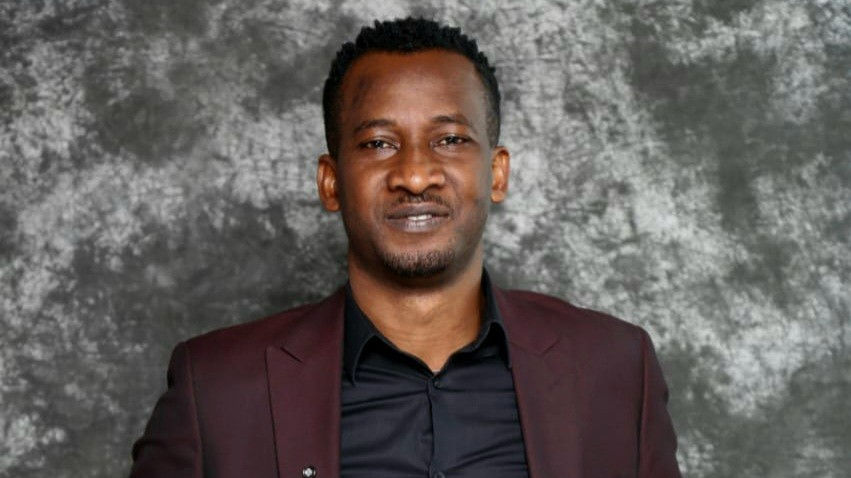
Joshua Adegoke, Visionary Leader, Author & Advocate for Positive Change
What inspired you to bring leadership development, business, and community service together in your work?
What inspired me to bring leadership development, business, and community service together is my belief that true success is not just about personal or financial growth, but also about making a positive difference in other people's lives.
I believe leadership is about empowering others, business is about creating opportunities and solving problems, and community service is about giving back and supporting people. When these three areas come together, they create a meaningful impact.
I have always been passionate about helping people grow, building strong relationships, and contributing to the community. I realized that by combining leadership, business, and service, I could not only achieve my own goals but also inspire others, create opportunities, and make a lasting difference. Ultimately, my motivation is to grow as a leader while helping others grow and succeed alongside me.
How has your experience in broadcasting and ministry shaped the way you approach leadership?
My experience in broadcasting and ministry has taught me that effective leadership begins with communication, learning, and serving others.
Through broadcasting, I developed strong communication skills, confidence, and the ability to connect with people from different backgrounds. It also taught me how important it is to share messages clearly, engage an audience, and build trust.
My experience in ministry taught me humility, compassion, courage, and the importance of leading by example. It showed me that leadership is not about having authority or being in charge; it is about serving people, understanding their needs, and helping them discover their potential.
Together, these experiences have shaped me into a leader who values clear communication, empathy, teamwork, and integrity.
My leadership philosophy is simple: a good leader doesn't just lead people; a good leader inspires, serves, empowers, and creates opportunities for others to succeed.
What have you learned about leadership through your work with Project Shine the Light?
My work with Project Shine the Light has taught me that leadership is ultimately about MAD (making a difference) in people's lives. It has shown me that sometimes the greatest impact comes from small acts of kindness, genuine connections, and being willing to show up for others, particularly the less privileged in our society.
I've learned that effective leadership requires compassion, consistency, teamwork, and the ability to recognize the potential in every individual. It's not always about having all the answers; sometimes it's about listening, encouraging others, and creating an environment where people feel valued, supported, and empowered.
I've also learned that leadership is not measured by titles or positions, but by the positive impact we make and the lives we touch.
Project Shine the Light has reinforced my belief that true leadership means being a light for others, helping them recognize their own strengths, overcome challenges, and become leaders themselves.
Why do you think integrity and compassion are sometimes overlooked in conversations about successful leadership?
I strongly believe integrity and compassion are sometimes overlooked because today's conversations about successful leadership often focus heavily on results, achievements, financial growth, and productivity. While these things are important, we sometimes forget that leadership is also about people, relationships, and the values that guide our decisions.
Integrity builds trust, and without trust, it is difficult to lead effectively. Compassion helps leaders understand people's challenges, appreciate different perspectives, and create an environment where everyone feels respected and valued.
In my opinion, a leader may achieve short-term success through authority or influence, but lasting success comes from treating people with honesty, fairness, and respect.
I believe true leadership is not just about how much you achieve, but also about how you achieve it and how you treat people along the way. For me, integrity and compassion are not optional leadership qualities; they are the foundation of meaningful and sustainable leadership.
What do you see as the biggest challenge facing leaders who want to grow their businesses without compromising their values?
In my view, one of the biggest challenges is balancing the desire for business growth with the responsibility of staying true to your values. In today's competitive environment, leaders often face pressure to achieve quick results, increase profits, and stay ahead of others. Sometimes, that pressure can lead people to compromise their integrity, relationships, or ethical standards.
I believe the real challenge is understanding that success should never come at the expense of your principles. Leaders must be willing to make difficult decisions, remain transparent, treat people fairly, and focus on building trust rather than just chasing profits.
For me, sustainable business growth is about creating value not only for the organization but also for employees, customers, and the wider community.
My philosophy is that it's better to grow a business with integrity, even if it takes longer, than to achieve quick success by compromising your values. Because at the end of the day, your reputation, character, and the trust people have in you are your greatest assets.
How can leaders build a culture where people feel both motivated to perform and genuinely valued?
Without any doubt, leaders can build this kind of culture by creating an environment where people feel respected, appreciated, supported, and challenged to reach their full potential.
It starts with communication and listening. Leaders need to make people feel that their opinions matter and that their contributions are recognized. They should also set clear expectations, provide constructive feedback, celebrate achievements, and create opportunities for personal and professional growth.
Another important aspect is leading with empathy. Every individual has different strengths, challenges, and motivations. When leaders take the time to understand their people, they can inspire them in ways that go beyond financial rewards or recognition.
I also believe people perform better when they understand that their work has a purpose and contributes to something bigger than themselves.
My philosophy is that people don't just want to work for a leader; they want to believe in a leader. When people feel valued as individuals and empowered as contributors, they naturally become more motivated, committed, and productive. A great leader creates an environment where people don't just come to work to perform, but come to work knowing they matter.
What practical steps can someone take to become a more purposeful and effective leader?
Interestingly, becoming a more purposeful and effective leader starts with self-awareness and a willingness to grow. Leadership is not something that happens overnight; it is a continuous journey of learning, improving, and serving others.
There are several practical steps someone can take.
First, know your purpose and values. Understand what you stand for and let those values guide your decisions.
Second, be a good listener. Effective leaders don't just give instructions; they listen, understand different perspectives, and make people feel heard.
Third, lead by example. Demonstrate the integrity, discipline, respect, and commitment you expect from others.
Fourth, invest in people. Encourage others, recognize their strengths, mentor them, and create opportunities for them to grow.
Finally, remain open to feedback and continuous learning. A good leader understands that there is always room for improvement.
From my perspective, leadership is not about being perfect or knowing everything. It is about being willing to learn, take responsibility, and make a positive difference.
My philosophy is that purposeful leadership begins with knowing who you are, effective leadership comes from how you serve others, and great leadership is measured by the positive impact you leave behind.
How has your understanding of success and personal fulfillment changed throughout your journey?
Throughout my journey, my understanding of success and personal fulfillment has evolved significantly. Earlier in life, I viewed success mainly through achievements, accomplishments, and reaching personal goals. While those things are important, I've come to realize that true success goes much deeper.
Today, I see success as the ability to make a meaningful difference in the lives of others while continuing to grow personally and professionally. My experiences in broadcasting, ministry, leadership, and community service have taught me that the greatest fulfillment comes from serving others, empowering people, and helping them discover their potential.
I've also learned that success is not always measured by what you gain, but by what you contribute, the relationships you build, and the positive influence you have on others.
For me, personal fulfillment comes from knowing that my journey has purpose, my work has meaning, and someone else's life is better because I chose to make a difference.
I believe that is the kind of success that creates a lasting legacy.
What is one leadership principle you hope more people will embrace in their personal and professional lives?
One leadership principle I wish more people would embrace is leading by influencing others rather than simply leading from a position of authority or power. Leadership is all about influence without authority.
I believe leadership is not about having a title, controlling people, or being the most important person in the room. It is about understanding people, listening to their needs, supporting their growth, and creating opportunities for them to succeed.
Whether in our personal lives, businesses, or communities, we all have an opportunity to influence others positively. Sometimes leadership means offering encouragement, sometimes it means listening, and sometimes it means putting someone else's needs before your own.
I believe when we lead with humility, integrity, and compassion, we build stronger relationships, healthier workplaces, and stronger communities.
My message is simple: Don't just aim to be a successful leader; aim to be a leader who makes others successful. Because the true measure of leadership is not how many people follow you, but how many people become better because of your leadership.
Read more from Joshua Adegoke







