How Understanding Your Numbers Drives Business Success – An Interview with Vicky Vimbai Goredema
Updated: Aug 26
Vicky Vimbai Goredema is an award-winning Chartered Certified Accountant, entrepreneur, and author of The Numbers Behind the Business, Tax Structure and Systems for the Modern UK Entrepreneur. She is the Founder and Director of VCK Accounting Services Ltd, a UK-based accountancy practice supporting small to medium-sized businesses with strategic financial expertise.
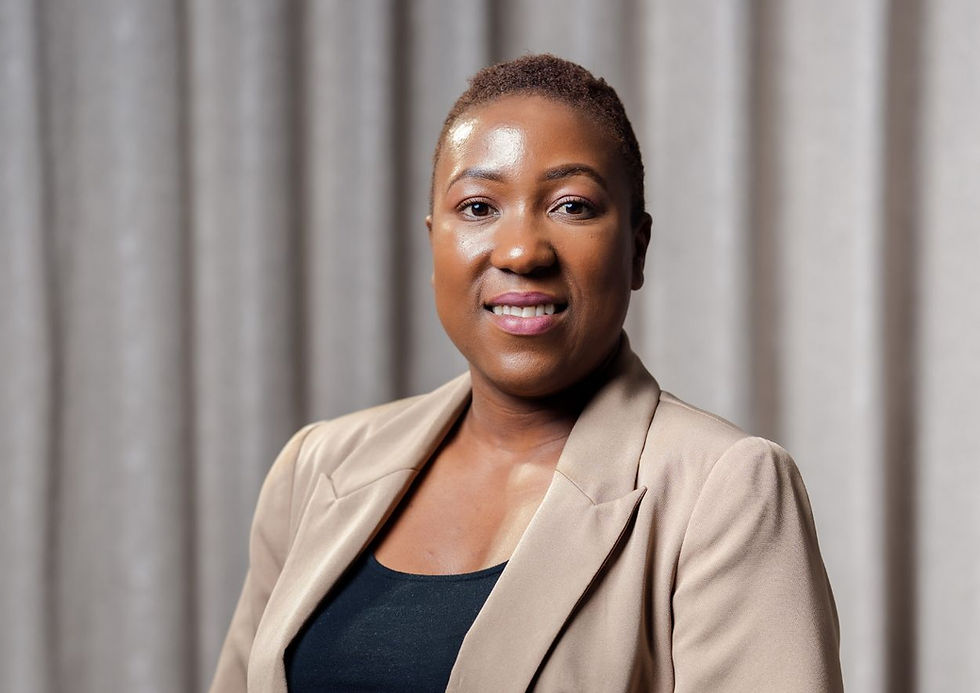
Vicky Vimbai Goredema, Chartered Certified Accountant UK
What led you to build VCK Accounting Services around helping business owners understand the numbers behind their businesses?
When I was at university, I received career advice that encouraged me to think beyond simply qualifying in a profession and to consider what I ultimately wanted to build for myself. Even then, I knew that one day I wanted to have my own business.
After qualifying as a Chartered Certified Accountant and gaining experience working across several organisations, I felt the time was right to build the practice I had always envisioned. I have always had a strong passion for accounting and tax, but what motivates me most is seeing how much more confident business owners become when they actually understand their numbers.
That is really where the idea behind VCK Accounting Services came from. I wanted to go beyond preparing accounts and tax returns and help business owners understand what their figures are telling them, so they can make informed decisions and build stronger businesses.
What financial challenges make healthcare businesses different from other small and medium-sized businesses?
One of the biggest challenges is cash flow. Many healthcare businesses operate under contracts where there can be a significant delay between providing the service and receiving payment. At the same time, they still have immediate financial commitments such as salaries, pension contributions, suppliers, rent and other operating costs.
This can create significant pressure, particularly for growing businesses that are taking on more staff or premises before the corresponding income has been received.
A profitable business can still experience cash flow difficulties. That is why I encourage healthcare business owners to look beyond their profit figure and actively manage their cash position and future cash requirements.
When advising healthcare providers, which numbers give you the clearest picture of whether a business is financially healthy?
I look at both cash flow and profitability, because they tell you different things.
Cash flow tells me whether the business can meet its immediate obligations, whether it can pay its staff, suppliers and other bills when they fall due.
Profitability tells me whether the underlying business model is actually working and generating a sustainable return for the owner.
A business can be profitable on paper but struggle to pay its bills because the cash has not yet been received. Equally, a business can have cash in the bank but not be genuinely profitable.
For me, financial health is about understanding both sides and how they work together.
Where do you think entrepreneurs most often misunderstand the role an accountant should play in their business?
I think some entrepreneurs still see their accountant primarily as the person who prepares their accounts and submits their tax returns.
In reality, an accountant can be a valuable strategic adviser.
I have seen business owners make financial decisions without seeking advice first, and sometimes those decisions can have unnecessary tax or financial consequences. For example, the timing and structure of a purchase can affect whether certain tax reliefs, including capital allowances, are available.
My advice is simple, don’t wait until after you’ve made the decision to ask your accountant whether it was the right one. Bring your accountant into the conversation before making significant financial decisions.
What changes when a business owner starts treating accounting as a strategic tool rather than a compliance requirement?
The biggest change is that they start taking control of their business rather than simply ticking a compliance box.
Instead of looking at their accounts once a year, they begin asking better questions, "What is driving my profitability? Where is my money going? Are my prices right? Can I afford to grow? What needs to change?"
Accounting then becomes a management tool rather than something that is simply done because HMRC or Companies House requires it.
Ultimately, it gives the business owner greater clarity around why they are in business, where they want the business to go and what they need to do to get there.
What financial information should every entrepreneur be reviewing regularly before making growth decisions?
One of the first things I would look at is pricing.
Business owners need to understand whether the prices they charge for their products or services are generating a healthy margin after taking into account their costs.
Growth can sometimes create the illusion of success because turnover is increasing. But if the business is not pricing correctly, increased sales can actually create more pressure rather than more profit.
I would also encourage entrepreneurs to regularly review their profit and loss, cash flow and key business costs before committing to growth.
What is one financial system growing businesses should put in place earlier than they typically do?
A reliable bookkeeping system.
For many businesses, accounting software such as Xero provides the foundation for understanding what is happening financially on a day-to-day basis.
But having software alone isn’t enough. The bookkeeping needs to be accurate and kept up to date.
When transactions are recorded regularly and correctly, the business owner has access to meaningful financial information and can make decisions based on current data rather than trying to piece everything together months later.
What does going “beyond numbers” mean to you in the way you advise and support clients?
For me, going beyond the numbers means understanding the person behind the business.
Every client has different personal circumstances, ambitions and definitions of success. One business owner may want to grow a large organisation, while another may want to build a profitable business that gives them greater freedom and flexibility.
I therefore want to understand both the client’s business goals and personal goals because the two are often closely connected.
The numbers are important, but they are ultimately there to help the business owner achieve something bigger.
What is the one thing you want entrepreneurs to understand about their numbers before they focus on growing their business?
Before focusing on growth, make sure you have a sound financial system underneath you.
At a minimum, that means having appropriate accounting software, keeping your bookkeeping accurate and up to date, and regularly reviewing your financial information.
You cannot make good strategic decisions from numbers you don’t trust.
Once the financial foundations are in place, you can start using those numbers to understand profitability, cash flow, pricing and performance, and then make informed decisions about how and when to grow.
For me, growth should not simply be about becoming bigger. It should be about becoming stronger, more profitable and more sustainable.
Follow me on Facebook, Instagram, LinkedIn, and visit my website for more info!
Read more from Vicky Vimbai Goredema