How Mindful Women Handle Triggers in Intimate Relationships
Written by: Elena Herrera, Executive Contributor
Executive Contributors at Brainz Magazine are handpicked and invited to contribute because of their knowledge and valuable insight within their area of expertise.

Were you triggered by what your partner said just this morning, and you lashed out at them in anger even though you promised yourself not to react anymore?
I get it. It's hard to juggle life, love, business, and all the things! And there are times when you just lose it.
It is easy to be in a relationship when everything is well. But how easy is it when we get triggered?
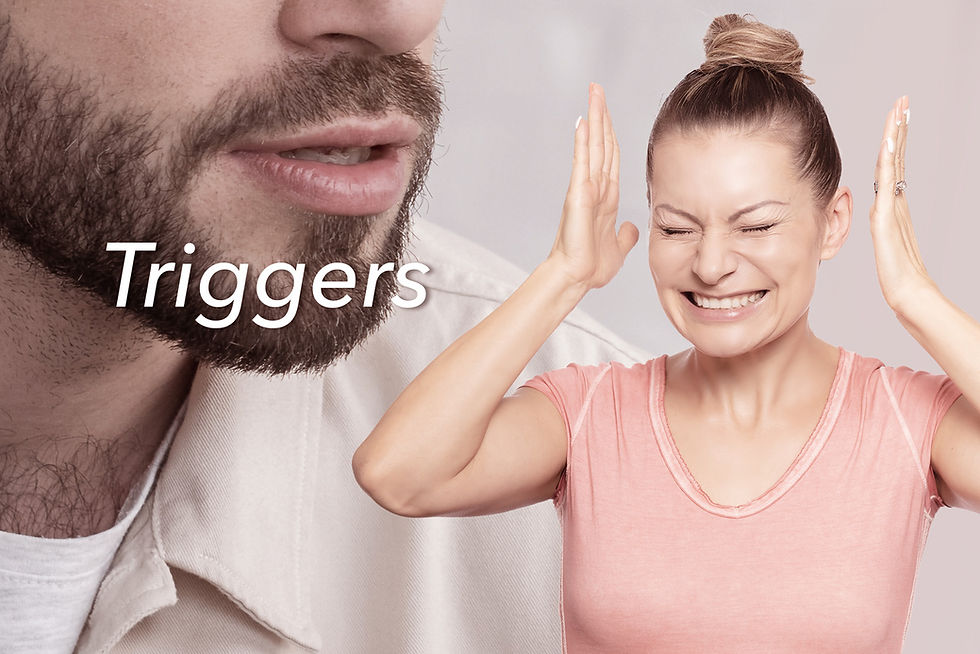
How do you handle the disagreement, fights, misunderstandings, miscommunications, etc?
I am sure you have your share of triggers with your partner.
A simple word, phrase, or gesture may get you boiling or quaking in fear. Or perhaps you suddenly shut down, becoming silent and withdrawn.
Regardless of how you react, recognizing triggers can be an amazing growth opportunity to propel you to more self-mastery - more understanding, unity, and balance in your modern family.
All you need is awareness and the right set of tools!
What happens when you get triggered? Well, almost instantaneously, you get charged up, and the defense comes up. So instead of responding mindfully, you end up reacting from a place of raw emotion.
For example, if you were over-managed as a child, then hearing a simple request from a partner might trigger your anger and resistance. For somebody who might have been overly criticized, such a request triggers a belief “I am not good enough.”
Now, add kids, a job, and so many daily responsibilities to the mix, and all the triggers get magnified.
Here are where a lot of couples make a mistake. Instead of recognizing the trigger and working through it, they take it personally and react. Now the argument is even bigger, and each partner feels victimized by it. This can spiral into destruction down the road.
But what if there is another way to handle triggers? An effective way in which you can turn a destructive cycle into empathy, awareness, trust, and intimacy...
That’s right! There is a process that can help you to handle triggers successfully. The following steps are based on insight from Anodea Judith’s book, Charge and the Energy Body.
Step 1 - Take a Pause
It is very important, yet surprisingly difficult, to take this first step…
Recognize that you are triggered and ask for a pause.
I am always blown away by how many people have conversations without even knowing that they are triggered. They feel they need to defend their position at that moment. This only leads to more destruction. However, taking a pause allows you to disengage from the situation, feel your own emotion, and come back to your alignment. This can help you to shift from blame to willingness to resolve a conflict/disagreement.
The pause can last 5 minutes or a few hours, depending on the person and the situation. But it should always include an agreement to return to an issue after a specified time. For example, “I feel very angry right now. And rather than lashing out at you, I need 15 minutes to cool off, so we can have a more productive conversation.” This way, you are honoring your need at the moment while still acknowledging your partner and the issue.
Sometimes it is difficult to pause because you are in the heat of your emotions. But remember, nothing good will get accomplished or resolved when you or your partner are out of alignment.
Taking a pause and coming back to a touchy issue after you have had time to fully be with your emotions and give them proper consideration can help to build deeper trust and intimacy in a relationship.
Step 2 - Self-Reflect
It is crucial to notice your own trigger. What is it doing? What are your body sensations? Do you feel pressure or tension? What do you need to release the build-up?
Make sure you don't judge yourself for your experience. Instead, use this opportunity to learn more about yourself. After all, you wouldn't get triggered if it wasn't your personal issue.
Reflect on your emotions. Emotions usually have a pattern. Is there a specific emotion you tend to default to during an argument? Some people get angry while others get sad or hurt. Ask yourself if you felt like this before, especially as a child. At the end of the day, most of our emotional patterns have deep roots in our childhood.
Reflect on your fears. What are your “negative” emotions trying to tell you? Usually, there is an underlying fear charging your feelings. Are you afraid of being rejected, controlled, trapped, lost, used, abandoned, or maybe feeling insignificant?
Write down any words about what you are objecting to and the core fear behind your emotion. For example, maybe you are afraid that your partner is going to leave you if you express your needs during the disagreement.
Reflect on your beliefs. What is the story you are telling yourself about an issue? Within that story, there is a set of beliefs. Drop the story to examine your beliefs. For example, if you tell yourself that your partner never listens to you anyway, look into how this belief plays elsewhere in your life. How does this belief disempower you? Most times, the beliefs were formed during an impressionable period when you were young or in your teenage years. They aren't necessarily true, but they can unconsciously run your life.
Honor your needs. Beneath our core fears are hidden needs. There is a deep fear that our needs will not be met. And there is some truth to it. Usually, in childhood, we had needs that were not recognized/met by the important people in our life, like our parents. As a result, we gave up on them - burying them deep inside. These needs lay dormant without ever being acknowledged. However, they are still true to us and want to be met. So, it is important to identify your need - to feel connected, respected, seen, valued, etc?
Now that you’ve identified the need, it’s important to state it using “I” language. Instead of saying, “You never listen to me!” express your need as... I need to be heard by you. I need your help with my daily responsibilities because I can’t do them on my own. I need you as my team member, so I don't feel I am all alone in this relationship. I need to know that I can speak up and be heard.
This keeps you in an empowered position of expressing what you need without having your partner feel blamed and defensive.
Step 3 - Return to the Issue
Now that you’ve taken your pause and reflected on your trigger and what's underneath it, you can proceed with the discussion with your partner.
If you truly took time to be with yourself during the pause, I bet you feel more centered in yourself, your truth, and your needs.
Acknowledge what triggered you and how it affected you. For example, “I realized I insulted you during our argument because I was hurt.” Then you can share your deeper experience like fears and beliefs that caused you to act out.
Finally, you can apologize for your reaction and express to your partner what you need from them.
When you come from this place of truth, clarity, and vulnerability, it allows your partner to drop into their own heart and truth. When both partners are in this heartfelt space, they become willing to resolve their issues together.
Don't be afraid of the triggers in the relationships. They are great opportunities for you to look within to resolve your imbalances so you can create deeper intimacy, trust, and connection with yourself and others.
If there are issues in your relationship that you want to resolve with your partner to bring more balance and harmony into your union, you may want to begin with yourself. This is what I teach in my custom program, The Radiant Power of a Balanced Woman.
Using my compassionate, intuitive guidance, I help women to bring more self-awareness, build a deeper connection to Self, and learn practical, supportive tools. I believe the more balanced you are, the better your relationships will be.
If you resonate with my message in this article, please fill out a questionnaire on my website to see how I can support you in the specific issues you are struggling with.
Elena Herrera, Executive Contributor Brainz Magazine
My personal story of transformation took my life from “unconscious” to “connected and meaningful.” Applying the same tools and modalities I teach today, plus my gift of intuition, I grew from a personal trainer to a full-blown Intuitive Transformational Coach who helps dozens of people to live a life of self-awareness, radiance, and fulfillment.