How Coaching Empowers Professionals To Navigate Toxic Corporate Environments With Confidence
Updated: Sep 29, 2025
Written by Danielle S. Calhoun, Executive Contributor
Danielle Calhoun is a certified coach and wellness strategist with a background in HR leadership. She empowers high-achieving professionals to overcome burnout, reclaim their power, and create balance through strategic coaching integrated with spiritual alignment.

Feeling overwhelmed, undervalued, or out of place in your corporate job? You’re not alone. Many high-performing professionals silently struggle with the weight of workplace politics, bias, burnout, and unclear career direction. This article explores how coaching, when done right, can be the transformative key to navigating and thriving in even the most challenging corporate cultures.
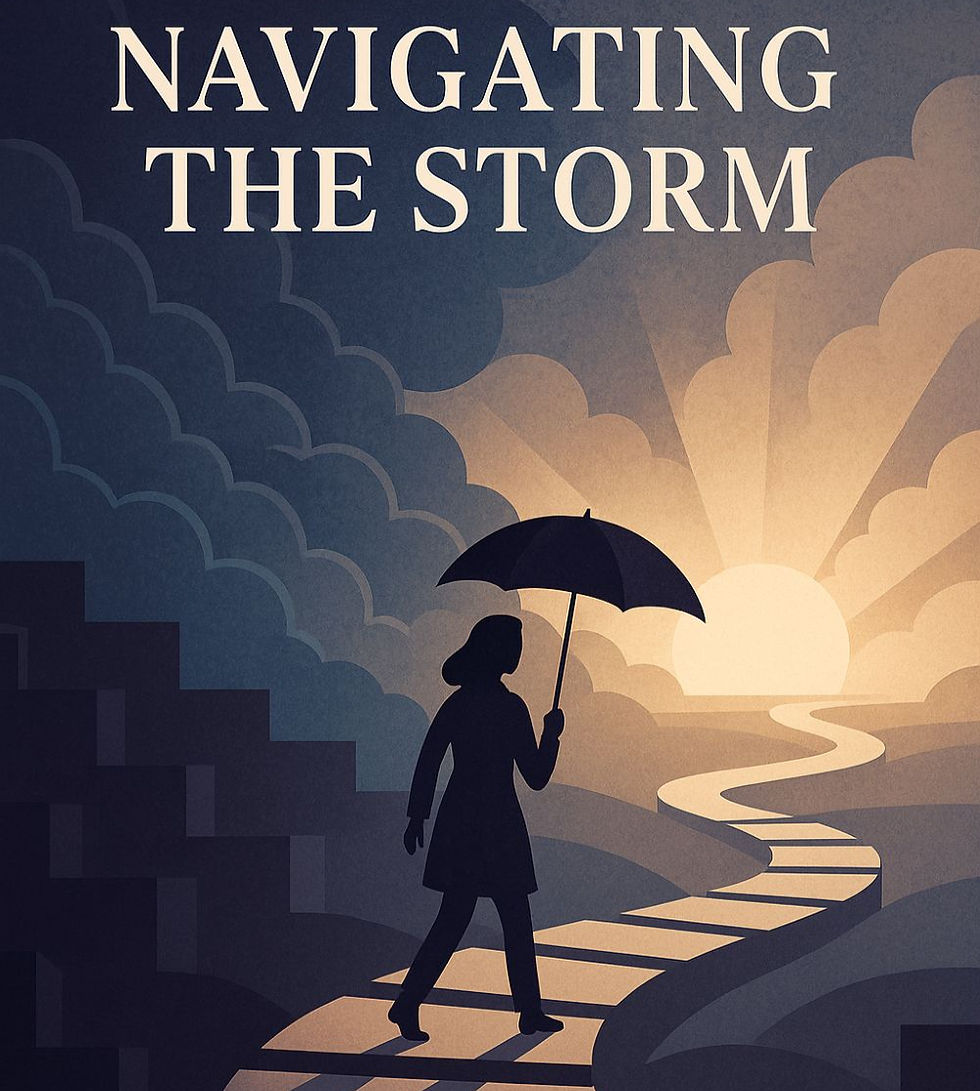
The hidden struggles behind the corporate smile
Behind polished LinkedIn profiles and high-stakes Zoom meetings, many professionals silently battle internal conflicts brought on by toxic work cultures. From subtle microaggressions to systemic inequities, the corporate world can erode confidence, blur boundaries, and trigger burnout, especially for women, people of color, and individuals from marginalized communities.
These daily pressures rarely appear on performance evaluations, yet they’re deeply felt. Coaching steps are not a luxury but a lifeline, helping professionals recalibrate, reclaim their power, and design a career path on their own terms.
What makes coaching so effective in corporate environments?
At its core, coaching provides a safe, judgment-free space where professionals can process, reflect, and reset. But beyond just venting, the real power of coaching lies in its ability to catalyze clarity and courage. Here’s why it works:
Perspective-shifting: A coach helps you separate facts from stories, making it easier to challenge limiting beliefs and reframe challenges as opportunities.
Emotional regulation: The emotional intelligence strategies often taught in coaching, such as boundary-setting, mindfulness, and self-compassion, can prevent burnout and support resilience.
Strategic alignment: Coaching brings your values and career goals into sharper focus, allowing you to make intentional rather than reactive decisions.
Accountability and growth: Unlike mentorship, coaching isn’t advice-based; it’s goal-driven. It empowers you to act in alignment with your truth and build sustainable habits.
Coaching and identity-based workplace stress
Research shows that employees from underrepresented groups often experience additional stressors due to microaggressions, code-switching, and emotional labor. For professionals who exist at the intersection of race, gender, and other identities, coaching offers an affirming space to untangle these layers and build a self-defined sense of success.
As someone who’s navigated toxic workplaces while managing anxiety and burnout, I’ve seen how coaching changes lives. It reconnects you to your power, not by pushing productivity, but by re-centering your humanity.
When to know it’s time for a coach
You don’t have to be “falling apart” to benefit from coaching. Here are signs it may be time:
You feel stuck or misaligned in your current role.
You’re constantly questioning your worth or capabilities.
You’re navigating a change, new leadership, a promotion, or an exit strategy.
You want to advocate for yourself without fear or guilt.
You crave clarity, confidence, and a space to be fully seen.
If any of this resonates, coaching might be the very support system you didn’t know you needed.
What to look for in a great coach
Not all coaches are created equal. Look for someone who:
Understands corporate systems and workplace dynamics.
Centers your lived experience, especially if you’re part of a marginalized group.
Is trained and certified (e.g., ICF, Positive Psychology, trauma-informed methods).
Offers a balance of compassion and challenge.
The best coaching relationships empower you to trust yourself more deeply because you already hold the answers.
Final thoughts: Reclaim your seat at the table
The corporate world doesn’t always make space for wholeness, but coaching does. Whether you’re aiming to ascend the ladder, break free from burnout, or rediscover your voice, coaching equips you with the tools to lead from within.
And that’s the real win: not just surviving your workplace, but transforming how you move through it.
If you’re ready to stop playing small and start rising with purpose, let’s connect. Click here to schedule a free 15-minute chat: Chat with Danielle.
Read more from Danielle S. Calhoun
Danielle S. Calhoun, Empowerment Facilitator and Keynote Speaker
Danielle Calhoun is a leader in holistic success, burnout recovery, and spiritual alignment for high-achieving professionals. After years in corporate HR, experiencing and witnessing the toll of chronic stress, she developed a transformative coaching approach that blends wellness strategy with soulful purpose. She now dedicates her work to helping others reclaim their power, create balance, and lead with intention. Her mission: Thrive from the inside out.