How Can Injured Construction Workers Claim Full Compensation?
Construction projects across Long Island involve demanding physical work, heavy machinery, electrical systems, and elevated work areas. When an employee suffers an injury, the financial consequences can extend well beyond the initial medical visit. New York's construction industry recorded a nonfatal workplace injury and illness rate of 1.4 cases per 100 full-time equivalent workers in 2024, according to the U.S. Bureau of Labor Statistics. This was lower than the previous year's rate of 1.8, although workplace injuries remain a concern for construction employees.
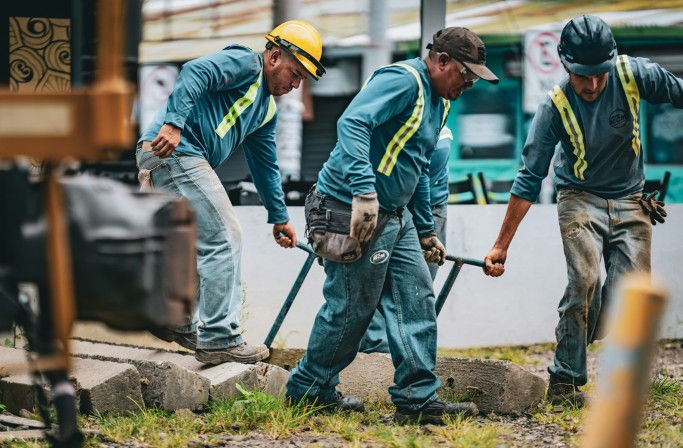
Understanding the full range of available benefits is important when an accident affects someone's ability to work. Workers' compensation may provide medical coverage and wage replacement, while certain cases involving negligent contractors, property owners, or equipment manufacturers may support additional claims. Seeking construction accident help on Long Island can help injured workers understand how different sources of compensation interact, including potential third-party claims and workers' compensation liens. The circumstances of the accident and the extent of the resulting injuries can influence the available remedies.
Start with workers’ compensation benefits
Workers’ compensation is usually the first claim after a workplace injury. It can cover reasonable medical treatment and the portion of the wages lost during recovery, regardless of who caused the accident. Promptly report the incident, get medical care, and give accurate information about what happened.
A late report, missed appointment, or inconsistent description can give the insurer grounds to question the claim. Keep copies of medical records, work restrictions, pay information, accident reports, and messages exchanged with supervisors or insurance representatives.
Check for a third-party claim
Workers’ compensation does not provide damages for pain and suffering. A separate personal injury claim can provide additional compensation when another person or company contributed to the accident. The responsible party could be a general contractor, subcontractor, property owner, equipment provider, or maintenance company.
For example, an unsafe scaffold, defective lift, exposed electrical source, or falling material can support a claim outside the employer’s insurance system. A construction accident help review should examine who controlled the hazard, supplied the equipment, and held responsibility for site safety.
Identify every responsible party
Construction sites bring several companies and work crews together, and each can have different duties. Liability depends on control of the work area, knowledge of the hazard, contract obligations, and the conduct that caused the injury.
Useful evidence includes project contracts, safety instructions, inspection records, equipment logs, photographs, witness details, and communications about prior problems. Avoid guessing about fault. The investigation should establish what happened before anyone accepts a statement that limits the claim.
Document the injury’s full impact
Medical bills are only one part of the financial loss. A serious injury can require surgery, physical therapy, prescription medication, home assistance, or changes to daily activities. Restrictions can affect overtime, promotions, future job options, and the ability to perform the same physical work.
Keep records of symptoms, appointments, treatment instructions, missed shifts, reduced hours, and out-of-pocket expenses. Family members can document tasks you can no longer complete. Detailed records connect the accident to current losses and continuing limitations.
Protect evidence before it disappears
Job-site conditions change quickly. Equipment gets repaired, materials move, surfaces are cleaned, and workers leave the project. Photographs taken soon after the accident can show the location, lighting, warning signs, protective equipment, and condition of the tool or structure involved.
Identify witnesses while their memories remain clear. Preserve clothing, footwear, damaged equipment, text messages, and copies of incident reports. An attorney can request records and take steps to preserve evidence controlled by another party.
Avoid statements that weaken claims
Insurance representatives can request a recorded statement, medical authorization, or detailed account before the full extent of the injury becomes clear. A careless answer can be taken out of context, especially if symptoms develop or the diagnosis changes.
Answer routine questions truthfully, but do not speculate about fault, recovery time, or prior medical conditions. Do not sign a release or settlement agreement before reviewing the rights it gives up. Workers’ compensation and third-party claims follow different procedures, so one settlement can affect the other.
Calculate benefits and damages separately
A full recovery requires separating workers’ compensation benefits from damages available through a third-party lawsuit. Workers’ compensation generally addresses treatment and partial wage loss. A third-party case can address pain, reduced earning ability, and the effects of permanent disability.
Evidence should support each category. Medical opinions can explain future care and work restrictions. Wage records can show missed income, while testimony can describe daily limitations. The results depend on the available evidence and the facts surrounding the accident.
Act before the claim weakens
A construction injury claim becomes harder to prove as records disappear and memories fade. Early legal review can identify separate claims, preserve site evidence, and prevent the insurer’s investigation from becoming the only account of events. It can also clarify which benefits and damages are available.
Continue prescribed treatment, follow documented restrictions, and keep communications professional. A consistent medical record and organized file give each claim a clearer foundation.
Conclusion
An injured construction worker should treat workers’ compensation as one part of the recovery process, rather than the entire case. Reporting the accident, following medical care, preserving site evidence, and investigating other responsible parties can show compensation that basic benefits do not provide. The next step is a prompt review of the accident, employment records, medical treatment, and available insurance coverage.