Helping Children Thrive Through Gentle Holistic Care – An Interview with Specialist Lara Cawthra
Lara Cawthra BSc, MChiro, MCSc (Paeds), FRCC (Paeds), MNRI Core Specialist is an experienced paediatric chiropractor and neurological development specialist based in Camberley, Surrey. With 30 years in practice, Lara has built a respected career centred on children’s health, early development, and holistic, family-centred care.
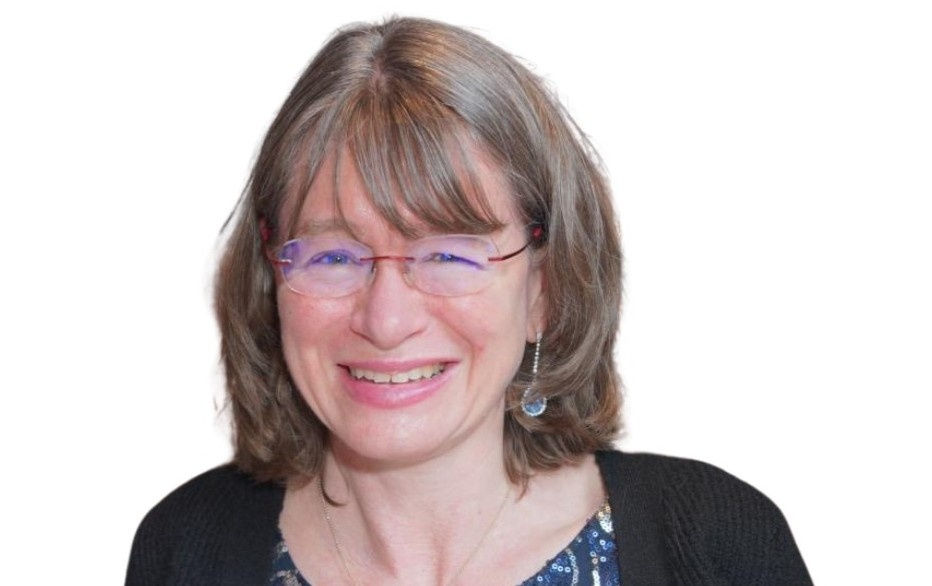
Lara Cawthra, Paediatric Chiropractor and MNRI Core Specialist
Who is Lara, and what do you do? Please introduce yourself.
Lara Cawthra is an experienced chiropractor who has been providing high-quality personal care since 1996. She has a passion for holistic healing.
She is one of the few chiropractors in the UK with formal training in Paediatrics and is the first MNRI Core Specialist in the UK. Lara also has postgraduate training in nutrition from the Australasian College of Nutrition and Environmental Medicine (ACNEM). She is a Fellow and former Chair of the Royal College of Chiropractors’ Specialist Faculty of Pregnancy and Paediatrics.
What inspired you to specialise in chiropractic care and holistic health?
Whilst studying a Bachelor of Science at Sydney University, Lara discovered a love of the function of the human body, and this led her to gain a double major in Anatomy and Physiology. During her time in her undergraduate studies, Lara also studied pharmacology. She decided that this was not the way she wanted to help the body heal. She had the opportunity to take a taster in Chiropractic. She was hooked. She found a practical way to apply her growing knowledge of human anatomy and physiology to help the body to heal.
Studying the foundations of how the body worked, she knew from early on that in order for the body to heal, it needed to be looked at as a whole, not separate systems functioning independently of each other. In order for the body to function, it had to maintain balance; in other words, healing had to help the body maintain homeostasis.
What makes your approach to chiropractic care different from traditional methods?
Rather than the stereotypical image of a chiropractor which may involve a sound when an adjustment is made, Lara uses a technique called NeuroImpulse Protocol (NIP). These adjustments are low force by nature, the pressure used is similar to that used to check a ripe tomato. This gentle, neurologically precise, tonal technique is used on all ages, from babies to adults.
Can you explain the Rebalance Programme and who it's designed to help?
As a well-rounded, experienced Health Care Professional, Lara is able to put together the elements of posture, nutrition, and neurology so that a tailor-made programme can be designed for your child, helping your child to reach their full potential.
Posture looks at alignment of the body, including the spine, joints, limbs and also cranial function.
Neurology looks at age-appropriate neurodevelopment, including the primitive or primary reflexes.
Nutrition proper nutrition should enable the brain and body to function optimally, without brain fog. The best fuel for the body is required for the brain to function at its best.
What are the most common challenges your clients come to you with, and how do you help them?
As a health care practitioner with expertise in posture, nutrition, and neurodevelopment, I commonly see children with neurodevelopmental and neurobehavioural disorders. These conditions can range from mild, where the child may not be able to concentrate in class, or may seem clumsy or unable to focus, to more challenging presentations where there might be cerebral palsy or brain injury at birth. With any presentation, the aim is to help them to reach their full potential.
Often, the client presents with conditions that are multifactorial in nature. Looking at the foundations of their health status helps to build a management plan. An all-rounded health care package is tailor-made for your child. Holistic Paediatric Health care covers neuromusculoskeletal health, nutrition, and neurodevelopmental assessment, which means structure and posture, real foods, and the development of your child.
The process starts with an assessment, which will be unique to your child’s needs. After our initial meeting, you’ll be given information as needed, along with any advice for follow-up.
How does your experience with paediatrics and neurodevelopment shape the way you work with families?
My expertise in paediatrics and neurodevelopment allows me to assess the foundations of a health problem. By understanding how the body develops from preconception to adulthood, it is possible to determine if neuromotor maturity is occurring as our blueprint has been designed to.
Working with the family is important, as making changes requires consistency and input, often daily, for best results. Parents and carers are taught some simple techniques to use at home with their child to facilitate change and the maturity of development.
What results or changes do your clients typically see after working with you?
The changes seen depend on the starting presentation and the goals the client wants to achieve. However, it is often found that the child has better self-awareness, better emotional regulation, better attention and concentration, better posture, and better balance. Together with the child and their family, we are helping them to reach their optimal potential.
How do you personalise treatment plans for each client's unique needs?
Holistic Paediatric treatment plans are a tailored, child-focused health assessment combining multiple aspects of wellbeing, posture, nutrition, and neurodevelopment, to support healthy growth from infancy through adolescence.
The assessment covers posture assessment, which evaluates structural and balance development appropriate to your child’s age and recognises differences between babies, toddlers, and teenagers.
Nutritional advice offers guidance for healthy eating to support bone, muscle, and cognitive development, based on Lara’s postgraduate nutrition training.
Neurological evaluation includes age-appropriate developmental testing, including primitive or primary reflexes, to check whether neurological milestones are on track. Non-invasive techniques are used.
Report and follow up includes verbal and visual feedback about findings and recommendations for next steps tailored to the child’s needs, followed by a written summary with recommendations.
Referral when needed is provided, as Lara is a registered healthcare professional and can identify issues needing urgent referral and suggest appropriate care.
The holistic service aims to integrate posture, nutrition, and neurological insights to help children reach their full developmental potential.
Why is early postural, neurological, and nutritional support important for children?
Postural, neurological, and nutritional support is important because childhood is a period of rapid growth when the body and brain are highly adaptable. Support at this stage can influence lifelong health, development, and resilience.
A child's spine, joints, and movement patterns are constantly developing up until the age of 25 years old. Early postural imbalances can affect coordination, balance, breathing, and discomfort as a child grows. Addressing posture early may help promote efficient movement, reduce strain, and support healthy musculoskeletal development before compensations become ingrained.
The nervous system develops fastest in infancy and early childhood, laying the foundation for movement, learning, emotional regulation, muscle tone, focus, and attention. Early assessment of reflexes, coordination, and sensory processing can highlight areas where development may need support. Gentle, age-appropriate input can help optimise brain-body communication during key developmental windows.
Nutrition fuels the growth of bones, muscles, organs, and the brain. Early nutritional habits can influence immunity, energy levels, cognitive development, and long-term metabolic health.
The combination of a holistic view of posture, neurology, and nutrition allows early identification of potential issues, timely preventative care rather than reactive treatment, and a stronger foundation for physical, cognitive, and emotional development.
Early holistic support helps children build strong foundations that support healthy growth, learning, and wellbeing throughout childhood and into adulthood.
How can someone know if your services are the right fit for them or their child?
To find out if my services can help your child, start with a free 20-minute advisory telehealth consultation. Get to know the practitioner, ask the questions you need, and find out if it is the right combination of therapy for you and your child. There is no obligation to start care.
What is one important piece of advice you would give to someone seeking better health through chiropractic and holistic care?
When looking for a practitioner to work with, make sure they have the relevant experience and qualifications. Children are not just little adults, they have different needs at different stages of development.
Read more from Lara Cawthra