

From Plastic Waste to Valuable Resources – Oleh Bohila on Engineering for a Circular Economy
Updated: 3 days ago
Written by: Editorial Team
Plastic waste can be difficult to recycle when it contains adhesives, contaminants, or a mixture of materials. Processing equipment may struggle to handle it, leaving potentially useful polymers unused. Manufacturers then have to find other ways to manage waste that could otherwise serve as raw material.
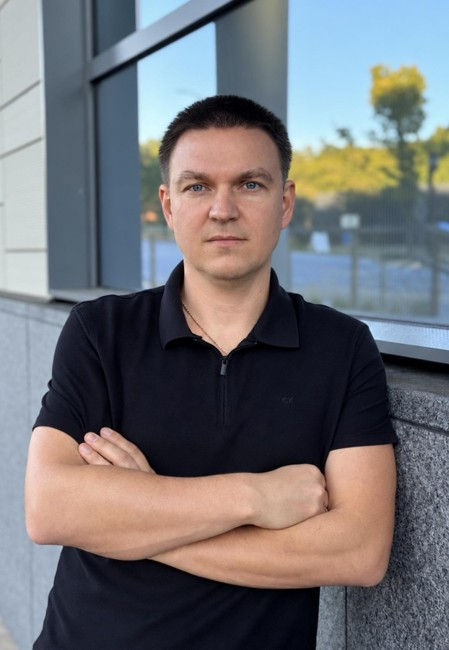
Ukrainian engineer Oleh Bohila worked on this problem at Snizhnyanskremstanok, where he served as chief mechanical engineer from August 2014 to December 2016. He adapted the production process to turn waste from adhesive tape manufacturing into products made from a mixture of polymer and sand. His work offers a practical example of a circular economy approach in which one manufacturer’s waste becomes another’s raw material.
Turning tape waste into raw material
Manufacturers of adhesive tape approached Bohila looking for a way to recycle their production scraps. He says other recyclers had refused to accept the material because the adhesive made it hard to shred. Attempts to process the tape using standard methods clogged the equipment.
Bohila began by testing samples of the waste tape. Fine shredding did not work, so he revised the preparation method and modified the melting equipment. Over roughly four months, he adjusted several stages of the process to make them work together.
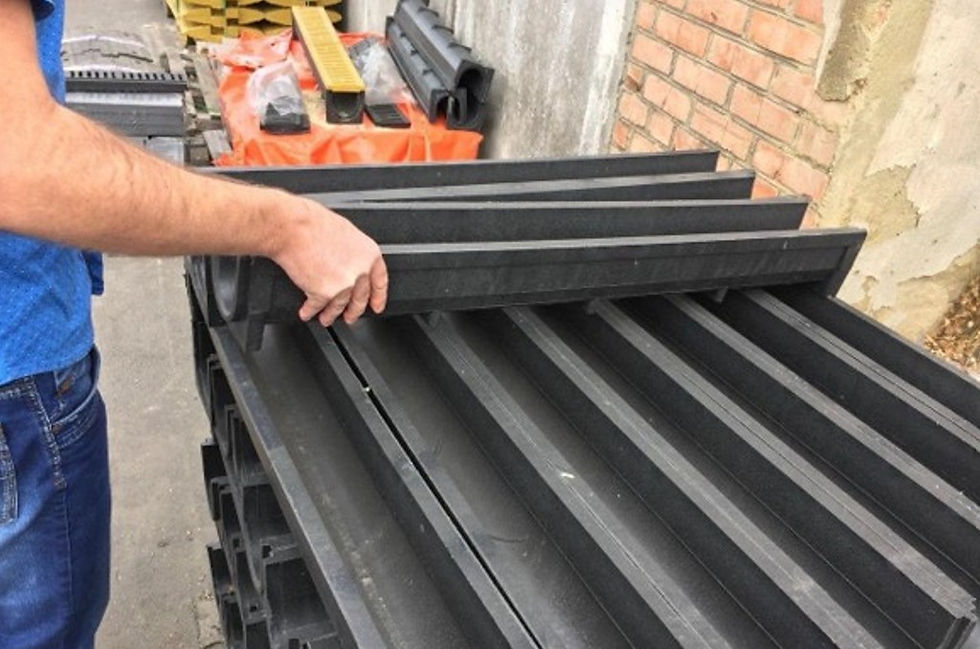
With these changes in place, the plant was able to turn the tape waste into roof tiles and paving stones by mixing the polymer with sand and molding the mixture. Manufacturers who had struggled to find a recycler now had an outlet for their production scraps. Using the recovered polymer also reduced the plant’s need for virgin plastic.
Improving production by drying the sand
The polymer was only one part of the production mix that needed attention. Moisture in the sand slowed production and made it harder to mold tiles consistently.
Bohila designed and built a dryer that continuously removed moisture from the sand before mixing. He reports that this change improved production efficiency by approximately 15% and made molding more consistent.
Adapting the process to different materials
Testing revealed how changes in the size of the shredded polymer affected the equipment. When blockages occurred, Bohila modified the machinery and adjusted how material was fed into the melting unit.
The tests showed why each adjustment had to be assessed across the production line. A change in material preparation could affect melting and mixing, so those stages needed to be checked together.
Bohila drew on this experience when selling production equipment and advising customers in Ukraine. He helped customers choose operating settings suited to their raw materials and demonstrated how the equipment handled their samples.
At another plant, the work starts with examining the waste materials and testing how they behave in the equipment. These tests help determine which adjustments are needed, since waste composition and operating conditions can differ from one facility to another.
Making recycling work in practice
For Bohila, the project reinforced a working principle that still guides his decisions: understanding the material comes before modifying the machinery. Testing helped him identify why the standard process failed and decide what to change.
For manufacturers, technical feasibility is only part of the decision. They need to consider whether preparing the waste is affordable, whether the line can run reliably, and whether there is a market for the finished products. These factors help determine whether a successful trial can become a viable production process.
Sorting alone does not make waste usable. The production line must also be able to handle it. In Bohila’s project, changes to material preparation and equipment allowed the plant to use discarded tape in place of some of its virgin plastic.
Bohila moved to the United States in April 2022 and plans to apply his engineering experience to plastic recycling there. He is considering opening a facility that would use hard-to-recycle plastic waste to manufacture products for infrastructure projects.
His plans build on his work at the Ukrainian plant, where changes to material preparation, melting equipment, and sand drying made previously unusable waste suitable for production. For any future facility, the priorities remain the same: reliable processing, consistent product quality, and economic viability.







