From Hoping for a Win to Building a Life Beyond Gambling – An Interview with Layna Bogart
Layna Bogart is a Certified Recovery Coach and author of The Quiet Comeback: A Woman’s Guide to Reclaiming Hope After Gambling Addiction. With 20 years of lived experience in gambling recovery, she is passionate about helping women recognize their strengths, appreciate their progress, and find hope in their own journeys.
In this interview, Layna shares how her personal experiences changed the way she sees addiction and recovery, what can happen when we shift our perspective, and why she believes the strength to rebuild a life may have been there all along.
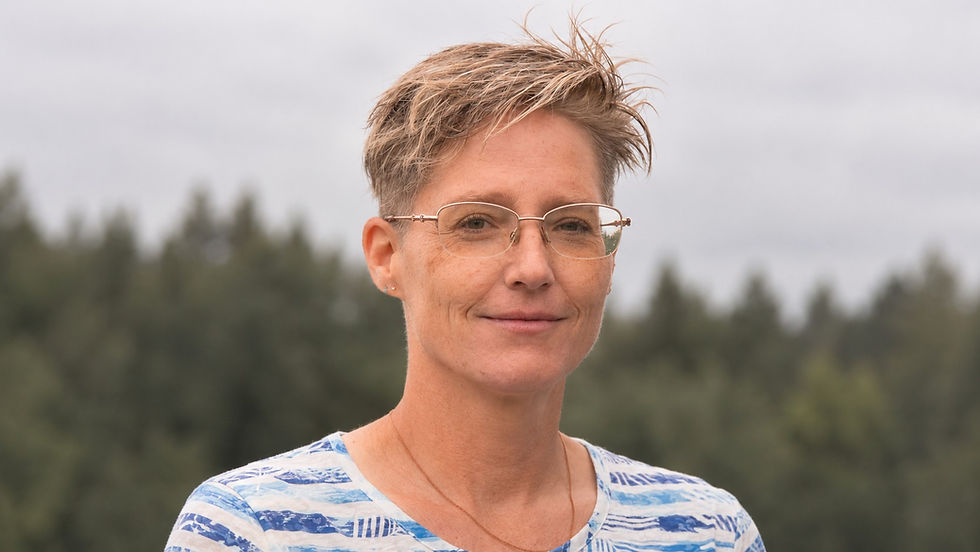
Layna Bogart, Recovery Coach
What inspired you to turn your personal recovery journey into a way of helping other women through gambling addiction?
I gambled for 14 years. I spent two of those years in complete silence after I started stealing to feed my addiction. I ended up in jail for five months and nine days, which I now see as a blessing. I came out with no knowledge of addiction, no coping tools, and a lot of anger.
I carried that anger for years without recognizing the changes I was making in my life along the way. It wasn’t until I became a Certified Recovery Coach that I began looking at my journey differently.
Eighteen years after my last gamble, I put together a PowerPoint presentation about those years. For the first time, I could look back and appreciate everything I’d accomplished without even realizing it. I began recognizing all the choices, steps, and strengths that helped me build my life. I had been building my recovery all along without even knowing it.
By sharing what I’ve recognized in my own journey, I hope to help other women see their own progress sooner, recognize what they’re already doing right, and appreciate the life they’re building along the way.
After 14 years of gambling addiction, what helped you begin rebuilding your life without following one specific recovery program?
I wasn’t conditioned to follow any particular recovery program. I tried Gamblers Anonymous a few times because I thought I had to, but it wasn’t for me.
Looking back, I recognize how much I didn’t understand about addiction. While waiting a year for my sentence, I turned heavily to alcohol. I know now that without that break, I likely would’ve continued drinking and smoking.
One thing I did carry out of jail was a love for the original Chicken Soup for the Soul book. I connected with those personal stories because they allowed me to cry privately and feel less alone. I didn’t recognize that at the time. I ended up collecting over 30 of these books, all with different themes.
I found Gabor Maté’s work and masterclasses, which helped me finally understand addiction. In 2019, 13 years after my last gamble, I needed a change from the restaurant industry. I came across the Addiction and Community Support Worker diploma and decided to take that path, which led me to work with youth. Brain cancer eventually led me to recovery coach training.
I wasn’t following a program. I was finding my own way without realizing I was building my recovery.
In The Quiet Comeback, you describe old behaviours resurfacing after 18 years without gambling. What did that experience teach you about sustaining recovery over time?
That the brain never forgets. We can build new pathways, but the old ones don’t necessarily disappear.
After 18 years without gambling, I found myself falling into an old behaviour through a mobile game. Around the same time, I was taking a course that explained how the brain remembers old patterns. Having that confirmation so close to my own experience was empowering.
People often wonder how someone can return to an old behaviour after so many years. I had wondered about that myself, and suddenly I had both the lived experience and the education to help me understand it.
Instead of seeing it as losing everything I’d built, I saw it as an opportunity to learn more about myself. My recovery hadn’t disappeared, and I wasn’t back at day one.
That experience strengthened my passion for helping others understand their own behaviours without getting lost in shame. We can take accountability, learn from what happened, and recognize that all the progress we’ve made still belongs to us.
Why do you think shame and secrecy can make it especially difficult for women to seek help with gambling addiction?
I believe gambling is one of the more secretive addictions because there often isn’t any physical evidence that someone is struggling. For me, shame was powerful. I knew what I was doing was wrong, so why couldn’t I just stop? But my brain kept giving me hope that maybe this time I’d win. Gambling had become familiar, a way of finding relief that I didn’t even know I needed, and that hope kept overpowering other choices.
I didn’t ask for help because I didn’t know I needed it. Gambling was also something my husband and I shared, and I didn’t want to lose that connection.
I see shame almost like the king of the brain. It can take over our thoughts, keep us focused on hiding what we’re doing, and make it harder to see another way forward. When we’re carrying that much shame, keeping the secret can feel safer than telling the truth, even when the secret is hurting us.
What do you believe is often misunderstood about the difference between stopping gambling and truly rebuilding a life in recovery?
I believe stopping gambling and rebuilding a life without it are two different things. It’s not just about how long someone can go without gambling. It’s also about what they begin putting into their life instead.
For me, gambling had to be replaced with something. Before going to jail, I had already started drinking and smoking more heavily without understanding why. Looking back, I recognize I was still searching for that familiar relief.
Going to jail gave me a forced break from gambling, alcohol, and smoking. During those five months and nine days, I began finding other ways to cope, including using the gym any chance I had. I didn’t realize at the time that I was building new habits.
But coming out didn’t mean I suddenly knew how to handle everything. I still had anger, triggers, and moments when those old behaviours felt familiar.
That’s what I believe people sometimes misunderstand. Stopping a behaviour doesn’t automatically give us the tools to handle life without it. Rebuilding means discovering what works for us and finding other ways to meet those needs.
For a woman who feels overwhelmed by guilt or regret, what is one small step that can help her begin moving forward?
One question I like to ask myself is “What can I do about it now?” I can’t change what’s happened in the past, but I can learn something from it. Instead of staying in the “should’ve, would’ve, could’ve,” I can begin looking at what I can and will do moving forward.
I like to use a simple tool called Feel, Think, Action. Allow yourself to feel what you’re feeling, recognize and name that feeling, and then ask yourself, “What can I do about it now?”
It’s about changing our perspective. Even shifting from “I have to” to “I get to” can help us recognize choices we didn’t see before. We can’t change the past, but we can choose what we do next.
How can someone learn to recognize and redirect the determination and persistence that once fueled their addiction?
Let’s talk about hope. I’ve only recently recognized how powerful hope was when I was gambling and how I now use that same hope in my recovery.
When I was gambling, I hoped I would win, and sometimes I did. I hoped gambling would help me keep the connection with my husband. Today, I direct that hope toward my dreams, my career, and building a strong relationship through connection rather than gambling or money.
I also recognize how much determination, persistence, and effort I put into feeding my addiction. I found every possible way to get more money and make time to gamble. Back then, I would have called some of those behaviours manipulative.
Today, I look at those same abilities differently. I can take the word “manipulative,” change it to “creative,” and use that creativity to feed my recovery instead. The strengths were always there. It’s about recognizing them and choosing where we want to direct them.
You believe the strength needed for recovery was never missing. How has that belief shaped the way you support women?
My vision is to inspire hope, create safety, and help women rediscover their passions with compassion and without judgment. I want to help women recognize the progress they may already be making without even knowing it. Maybe it’s a series of books they’ve started reading, a collection they’ve begun, plants that keep multiplying, or renovations they’re excited about.
We often recognize uncomfortable feelings and want to run from them, but how often do we stop and notice the good ones? That moment when we smile, feel proud, or experience a little joy. Those feelings matter too.
I want to help women become curious about those moments, recognize how they feel, and find ways to experience more of them. Noticing and repeating what feels good is part of how we begin building new pathways in our brains.
By listening and reflecting back the joy, excitement, or hope I hear in our conversations, I want to help women recognize that their dreams, passions, and strengths are still there.
What would you most want a woman who feels trapped by gambling addiction to understand about her ability to change?
It’s going to be a bumpy ride, but that doesn’t mean you can’t change. You don’t have to walk that road alone. Reaching for support might begin with sharing a secret you’ve been carrying. Sometimes that’s the first way we ask for help. It can start with one person and build from there.
Keep trying to find your way. Try new things, discover what works for you, and learn from the moments when old behaviours return. We can’t erase what’s happened, but we can take accountability, learn from it, and make different choices moving forward.
Most importantly, I want women to recognize how much power shame can have over the way we see ourselves. Shame can keep us believing we can’t change, even when we’re already making progress.
Take your power back from shame. You have strengths you may not even recognize yet, and you deserve the opportunity to discover them. Your past is part of your story, but it doesn’t have to decide what comes next.
Read more from Layna Bogart