

Five Ways to Be a Better Listener in Today’s 21st-Century Society
Cedric Drake is an expert in educational psychology. He dissects learning and brings innovative ideas. He contributes to educational think tanks and writes articles for academic institutions in the US and Asia. Currently, he is building a publishing company to connect students to companies in different fields and expand education.

We live in an age where everyone is speaking, yet fewer and fewer people feel genuinely heard. Our world is saturated with opinions, outrage, notifications, and constant digital noise. Conversations are interrupted by screens, reduced to headlines, or turned into arguments before understanding ever has a chance to form. The cost of poor listening is visible everywhere, in broken relationships, polarized communities, classrooms filled with disengaged students, and workplaces struggling with trust. Listening is no longer just a soft skill; it is an urgent human responsibility. If we fail to listen better, we risk deepening division and disconnection. The following five factors outline how we can reclaim listening and why each one matters now more than ever.
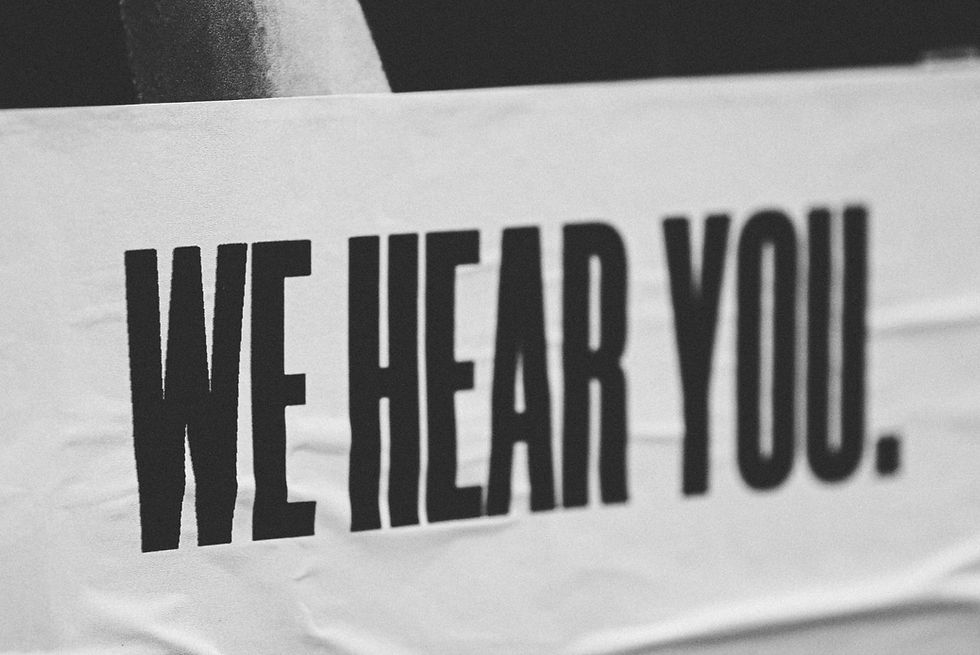
1. Intentional presence, why it matters
Intentional presence means choosing to be fully available to another human being. It means putting the phone down, resisting distraction, and offering undivided attention. In a society addicted to multitasking, attention has become one of the rarest forms of respect. When people feel ignored or half-heard, they shut down or lash out. Intentional presence matters because it affirms dignity. It tells the other person, “You matter enough for me to stop everything else.” Without presence, listening becomes empty, and relationships begin to erode.
2. Listening to understand, not to respond, why it matters
Too often, listening is treated as a waiting room for our subsequent opinion. We hear just long enough to interrupt, correct, or defend ourselves. This habit fuels misunderstanding and hostility. Listening to understand requires slowing down and silencing the internal urge to win. It demands humility and patience. This matters deeply in a time when public discourse is driven by reaction rather than reflection. Without understanding, conversations turn into verbal battles, and dialogue collapses into noise.
3. Engaging with diverse perspectives, why it matters
We are living through a moment of profound social tension, shaped by differences in race, culture, politics, identity, and lived experience. Refusing to listen across these differences has devastating consequences. Engaging with diverse perspectives does not mean abandoning one’s beliefs; it means recognizing humanity behind them. This kind of listening matters because it challenges prejudice, disrupts echo chambers, and opens the possibility for collective healing. When voices are dismissed or silenced, injustice grows louder.
4. Reading emotional and digital cues, why it matters
Much of today’s communication happens through screens, where tone is fragile, and emotion is easily lost. A delayed reply, a short message, or an unread email can carry unspoken weight. At the same time, in face-to-face interactions, emotional signals are often ignored. When emotional cues are missed, people feel unseen, and trust begins to fracture.
5. Responding with empathy and accountability, why it matters
Listening without empathy is incomplete. Authentic listening demands a response that acknowledges feelings and accepts responsibility when harm is revealed. Too often, people hear pain and respond with defensiveness or dismissal. Empathy requires courage, the courage to sit with discomfort and to grow from it. This matters because accountability transforms listening into action. It reassures others that their voices can lead to change, not just acknowledgment.
The crisis of listening is a crisis of connection. In a world overwhelmed by noise, choosing to listen deeply is an act of resistance, compassion, and hope. If we want healthier relationships, stronger communities, and a more just society, we must listen, not casually, not selectively, but urgently and wholeheartedly. The future depends not only on what we say, but on how well we listen.
Read more from Cedric Drake
Cedric Drake, Educational Psychologist and Technologist
Cedric Drake is an educational psychologist and technologist in the learning field. His ten years as an educator left him with the psychological understanding to innovate classrooms and learning centers for all ages. He has since gone on to be an educator at Los Angeles Opera, do doctoral studies in educational psychology, publish scholarly literature reviews and papers, and work at the American Psychological Association as an APA Proposal Reviewer for the APA Conference.







