

Finding Clarity and Confidence in New York Real Estate – Exclusive Interview with Ellen Jane Silverman
Ellen Silverman is currently a residential real estate advisor at Compass, a technology-driven real estate firm headquartered in New York City. A native New Yorker, she attended the prestigious Trinity School before earning a Bachelor of Science degree in Business Administration and Mathematics from Carnegie Mellon University.
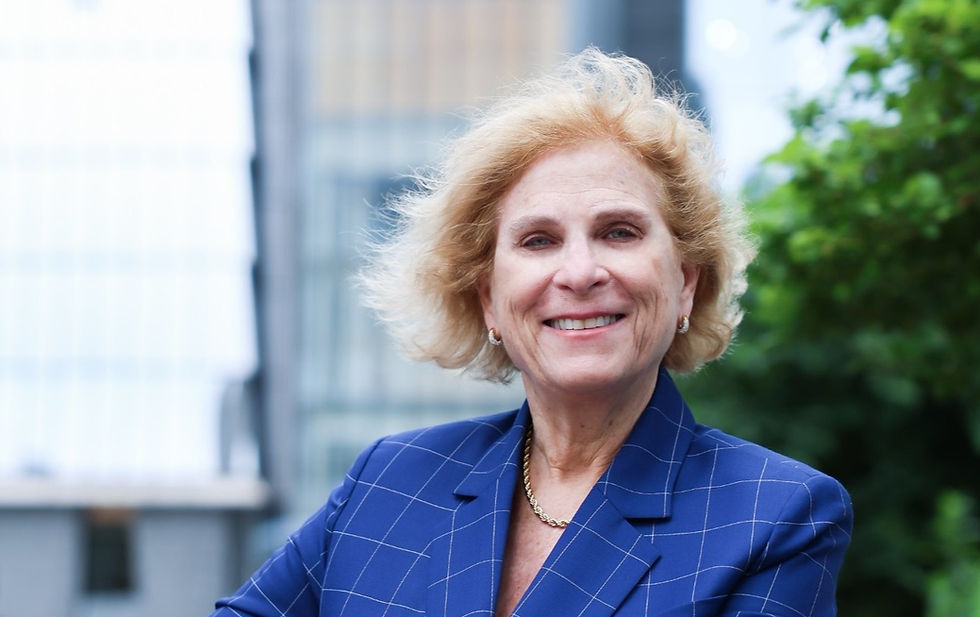
Ellen Jane Silverman, Licensed Real Estate Salesperson
Who is Ellen Jane Silverman?
I am a fourth-generation New Yorker who grew up as an only child of a single mother. I lived with my mother, and my aunt and grandmother lived within two blocks of each other in Chelsea; together, they shaped every part of who I became. They worked tirelessly: my mother was a nutritionist at several leading Manhattan hospitals, my aunt was an accountant for a fashion company in Lower Manhattan, and my grandmother worked for Macy’s for forty years. While I got my strong work ethic from these women, I felt enormous pressure to succeed. Independence became my armor. I wanted to chart my own course, to live without anyone telling me what I should be or do.
I was fortunate to attend private schools in Manhattan. In grammar school and high school, I had amazing math teachers who inspired and motivated me to excel in math. I decided to major in mathematics and attended Carnegie Mellon University in Pittsburgh, PA. After graduating from college, I earned an MBA in statistics and launched my career on Wall Street. I worked as an equity analyst, then a fixed-income analyst, and later as a technology consultant. I loved the energy of the markets, the fast pace, and the intellectual challenge. But as time went on, especially after the 2008 financial crisis, the joy began to fade. The work became arduous, the hours long, and the environment exhausting. I stayed in finance longer than I should have, since I had those golden handcuffs of a stable job and a great salary. I should have left then, but it took me another eight years to finally leave in 2016. I got my real estate license the summer of 2016 and never looked back. I am a licensed real estate salesperson in Manhattan and have been with Compass for the past six years.
When I’m not working, I enjoy traveling, spending time at the beach in the summer, and attending art openings. I also love exploring city boutiques and keeping an eye on emerging fashion trends. I have a genuine passion for style, with a particular weakness for fashion, handbags, and jewelry.
What first inspired you to become a real estate advisor in New York City?
I am a native New Yorker and have lived here my entire life. I have experienced the city through both challenging and transformative periods, and it truly is a place that never sleeps. New York is home to some of the most resilient people in the world, and its energy is unmatched. I have witnessed firsthand how neighborhoods evolve, giving me a strong instinct for where real estate value will appreciate. Combined with my financial background and passion for interior design, real estate is a career that perfectly integrates my skills, interests, and experience.
How does your background in finance and on Wall Street influence the way you serve your clients?
My initial approach when working with both buyers and sellers is to start with the numbers, whether pricing a property for a seller or determining an appropriate offer for a buyer. I am highly analytical and rely on detailed spreadsheets, allowing clients to view all relevant data clearly in one place. That said, real estate is still inherently emotional. Transactions involve significant financial decisions, and clients need to feel confident and satisfied beyond what the numbers alone may suggest. Every deal marks the close of one chapter and the beginning of another. As a result, while the quantitative skills I developed on Wall Street are essential, empathy and listening skills are equally as important. My own experiences buying and selling Manhattan apartments, combined with a lifelong understanding of the city, have allowed me to genuinely put myself in my clients’ shoes and guide them thoughtfully through a real estate transaction.
What is the most important thing buyers should know before starting their New York property search?
First and foremost, buyers who are new to the New York City market must understand that it is truly a world unto itself and does not operate like the rest of the country. Approximately two-thirds of the city’s housing inventory consists of co-ops, which come with strict rules and approval requirements for buyers. The remaining third of the inventory is condominiums, which generally offer greater flexibility. It is also essential for buyers to understand how pricing is influenced by factors such as neighborhood, building type, amenities, floor level, and apartment size. By reviewing listings and previewing properties, buyers can develop a clear understanding of the market and make informed decisions.
How do you help clients find the right home in such a competitive and complex market?
I strive to make the process as stress-free as possible. I often say that while New York City is competitive and complex, it is also incredibly diverse, with opportunities for anyone! As a fourth-generation New Yorker, I truly believe this – even amid today’s often discouraging headlines. With that perspective, I take the time to interview my buyers and ask thoughtful questions about their goals, budget, preferred neighborhoods, desired size, and amenities. I then show what is achievable within their budget and proactively introduce alternative options and creative ideas they may not have previously considered.
What common misconceptions do people have about buying or selling in Manhattan?
Clients often try to compare the process of buying in Manhattan to purchasing real estate elsewhere in the country. There truly is no comparison, and attempting to compare the city to other markets only leads to frustration. If you want to live here, it is important to let that mindset go. That does not mean buying beyond one’s financial means – rather it requires one to also consider the lifestyle and experiences you gain by living in New York City.
What skills or qualities do you bring that set you apart from other agents?
What sets me apart is my innate understanding of the city, strong financial expertise, and a genuine passion for new developments and interior design.
Can you share a moment when you turned a challenging situation into a positive outcome for a client?
Every deal comes with its own challenges! One transaction in particular involved a family purchasing a condominium in a boutique building on a street that, surprisingly, lacked internet connectivity. The buyers both work in technology and operate from home, so this was a major concern. To complicate matters, the developer claimed to be unaware of the issue. We worked directly with Verizon to confirm that the necessary infrastructure could be installed to provide reliable internet service. Fortunately, the work was completed before my clients closed on the unit. Emotions understandably ran high throughout the process – after all, in today’s world, a day without internet feels almost unimaginable, even if a brief disconnect might not be such a terrible thing once in a while.
How do you support sellers in showcasing and staging their property to attract the best offers?
Compass places a strong emphasis on staging and will front the cost, with staging fees paid at closing. In today’s market, buyers are highly discerning and need to be able to envision themselves living in a space. Staging sets the tone, demonstrates what is possible, and reflects the lifestyle buyers aspire to in the next chapter of their lives. Statistically, staged properties consistently sell for more money in a shorter period of time. In addition to staging, we present clear market comparables, provide a comprehensive overview of current market conditions, and leverage a wide range of marketing strategies, including social media and other targeted marketing tools, to maximize exposure and results.
What neighborhood characteristics do you consider when helping someone choose where to live?
Most clients want to be close to a subway and within easy reach of great food, shopping, and restaurants. Of course, every buyer has a unique lifestyle and priorities, so the types of conveniences they value can vary widely. I have also seen firsthand how developers transform once-undeveloped or overlooked neighborhoods. In no time, new amenities often emerge – better grocery markets, coffee shops, restaurants, fitness studios, yoga spaces, bars, and cultural venues –reshaping the character and appeal of an area. Safety is another common concern. I always recommend that buyers walk through a neighborhood at various times of day and night to get a genuine feel for the environment before making a decision.
What advice would you give someone who feels overwhelmed by the NYC real estate process?
I would say: stop relying on real estate shows, the news, or the naysayers! While I enjoy those reality shows as much as anyone, they rarely reflect the day-to-day realities of the market. Not every buyer is purchasing a penthouse on Billionaires’ Row or a luxury loft in TriBeCa. Instead, work with a level-headed real estate broker – like me – who can take the time to understand what you are looking for, review your budget and finances, and guide you through the options that truly fit your needs.
How can potential clients contact you to start working together, and what should they expect first?
You can visit my website or follow me on Instagram. Feel free to call, text, or WhatsApp me at 917-570-5042, or email me.
I am always happy to meet over Zoom or for a coffee. I love discussing real estate and exploring what is possible for the next chapter in people’s lives.
Read more from Ellen Jane Silverman



