

Failing To Plan Is Planning To Fail — 4 Top Preparation Tips For Amazing Presentations
Written by: Maria Tecce, Executive Contributor
Executive Contributors at Brainz Magazine are handpicked and invited to contribute because of their knowledge and valuable insight within their area of expertise.

I just got off Zoom with a client who is having a seriously bad day. She is wrapped up in feeling panicked and insecure about an upcoming high-stakes presentation.
So. We did a deep dive into what is keeping this CFO from creating amazing presentations. And it turns out! She’s afraid of what other people will think of her if she fails. How real is that?
We’ve all felt this fear at some point in our lives, and it’s completely natural. So, how can you cut that fear down to size?
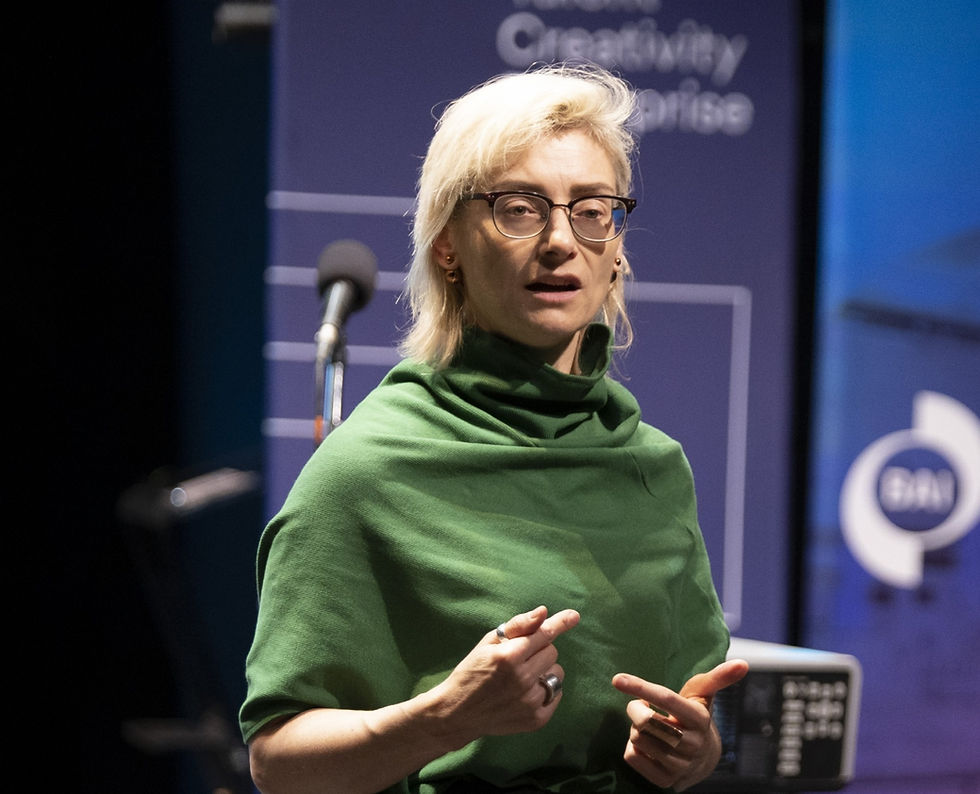
Here are 4 tips you can put into practice today to manage fear, panic, and insecurity and create amazing presentations.
Take Action: Start With Making A Plan
Sounds simple, right? Yup. It is that simple. But the simplest solutions are often the ones we ignore. The fear of failing becomes so big in our own thinking that it overshadows the most obvious first step towards creating amazing presentations.
Failing is part of growth, and we all miss the mark every now and then. But making a plan helps to short circuit the fear factor because you’re taking action. Action crushes fear; inaction feeds it.
Once you've taken one new action towards that first step of planning, you can break down your plan into manageable chunks. This helps break up the challenge into a manageable piece and sets you on the road to creating amazing presentations.
Amazing Presentations Need A Full Tool Box
Building up a varied and exciting toolbox full of techniques and skills you can pull out and use for your preparation is key. Having a plan means having the go-to skills that resonate with you, both vocal presence & physical presence skills and skills to create your content & story.
For instance, you could have 1. Good posture 2. Using a varied vocal delivery and 3. Eye contact is your go-to skills. These will be different for each person, so get as much training as possible and start stocking your tool kit.
Other invaluable skills in creating amazing presentations are how you craft your story and pinpoint who your audience is. You must know who you’re talking to before your start story-boarding your story.
After you know who your audience is, you can start sketching out your story, i.e., the beginning, middle, and end. Every good story has three main parts to its structure, so be clear about how you’re going to tell your story before you share it.
As Bob Dylan famously sang, ‘I’ll know my song well before I start singing.’
Get Feedback From Someone You Trust (Or Your Phone)
Once you know what you’re going to say and why, it's time to get feedback from someone you trust. Don’t just ask anyone; make sure that person is going to be honest. To help them give you straight, clear feedback, give them very specific things to look for.
For example, if you’re trying to strengthen your use of hands, ask them to watch out for that specifically. Or, if your vocal delivery is getting flat, ask them to zero in on how you’re using the range of your voice.
The clearer you can be on what you’re practicing and what you want your trusted listener to watch out for, the better their feedback will be. And the closer you are to creating an amazing presentation with knock-out delivery and presence.
Alternatively, remember your trusty phone, tablet, or laptop. These days it’s just a matter of clicking on the camera icon, and you’re away in a hackney. Or schedule a Zoom or Teams meeting on your own, record the session, and then watch it back. Easy peasy. Instant feedback.
Practice, Practice, Practice
Amazing presentations means getting feedback that is as specific and targeted as possible. Tweak and polish, make changes. Practice it again. Get feedback. How did you do? Tweak and polish, make changes. Practice it again. Repeat. This is the learning and practicing process.
It’s about consistency and clarity, not just about repeating the same thing over and over again. The more specific you are about what you’re practicing, the more value you’ll gain from your practice.
Again, have a plan when you practice and be specific about what you’re focusing on. Clarity is golden, so the clearer your plan is when your practice, the faster you will learn. And the longer that learning will stay in your body, which brings you one step closer to delivering an amazing presentation.
Practice is a physical activity, and the body learns best and most efficiently when there is physical activity involved. When your body and voice begin to get into the action and start speaking your story, your body creates very strong and indelible memories. This is the learning process at its most efficacious.
Failing To Plan Is Planning To Fail
Ben Franklin once said, “By failing to prepare, you are preparing to fail.” At the end of the day, having a plan lowers the chance of you bottling it or just plain blanking during a presentation.
Equally, when you have a plan, you’re more likely to strike out on a new endeavor. Whereas if you don’t have a plan and are just winging it, you’re more likely to give up or not take that first step towards your goal at all.
If you want to develop and deliver amazing presentations, then start by making a plan, no matter how simple it is. It could be as simple as making sure you breathe while you deliver your content. Great feats begin with small beginnings. Go on. Take the first step, and you may surprise yourself.
What are your go-to skills when it comes to preparation? Leave a comment below, and I love hearing from you guys! And then, click on the link for your FREE Zoom Hacks video.
Want to learn more from Maria? Follow her on Facebook, Instagram, Linkedin and visit her website.
Maria Tecce, Executive Contributor Brainz Magazine
Maria Tecce is a leader in public speaking & voice and speech coaching. After making her living as a professional actor and singer for 20 years, Maria began coaching business professionals and performers a decade ago in the same skills that professional performers use every day. C-Suite and Senior Executives work with her when they want to up their game and show up as powerful, confident, passionate, joyful speakers in their businesses and for the people around them. Her clients include Google, Diageo, Ulster Bank, Bank Of Ireland, Ericsson, KPMG, Smurfit Business School, Johnson & Johnson, Salesforce, and Virgin Media. Maria is dedicated to helping powerful men and women take ownership of their confidence, authentic voice, and joy as speakers and communicators. Her mission states, "Own your voice, own your story, own your space."







