

Embrace Emotional Intelligence for Lasting Love – Exclusive Interview with Taiye Aluko
Taiye Aluko is a relationship and marriage coach specializing in emotional intelligence. She works with couples and high-achieving individuals to address emotional disconnection and build healthier, more fulfilling relationships. Taiye’s method helps transform relationships from surviving to thriving, focusing on emotional awareness, communication, and practical tools for reconnecting.
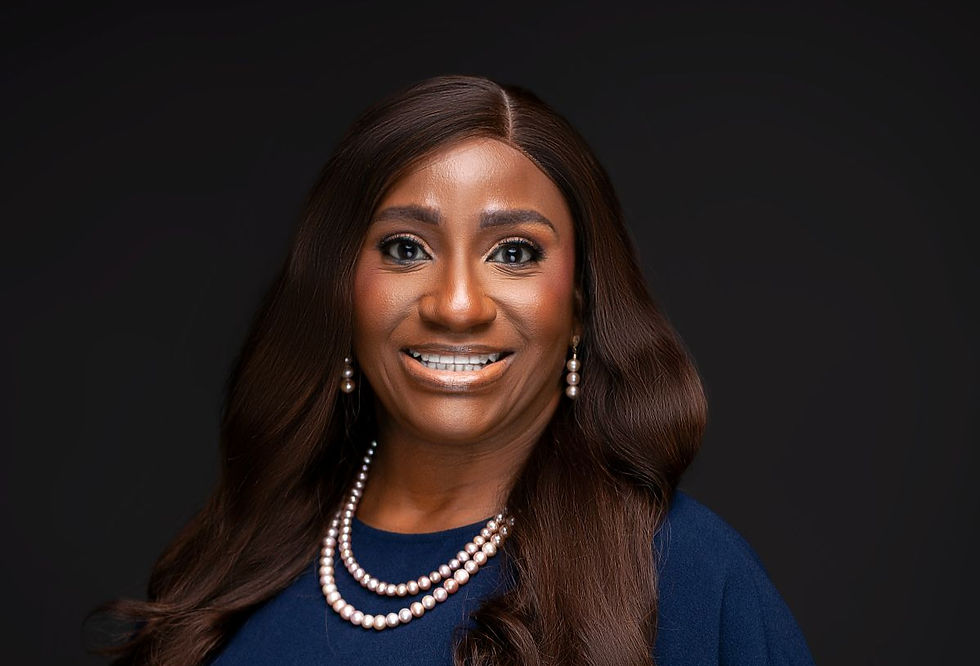
Taiye Aluko, Relationship Coach
Who is Taiye Aluko?
Taiye Aluko is a relationship and marriage coach, emotional intelligence practitioner, and the founder of Raregems Coaching & Counselling. I work primarily with couples and high-achieving individuals who appear “fine” on the outside, yet privately feel emotionally disconnected, misunderstood, or exhausted within their relationships.
At home, I’m intentional about quiet rhythms and genuine connection. I enjoy exercising, relaxing with friends over unhurried lunch dates, and the simple but powerful joy of being fully present. I’m not drawn to noise; I’m drawn to depth and that value deeply shapes my work.
Something interesting about me is that I am a twin and also a twin mama. Growing up with a twin sister was joyful, but it also came with constant comparison. For a long time, I struggled with fully owning my individuality. As I grew older and became more emotionally aware, I learned to embrace my uniqueness. It has been and continues to be a beautiful journey of self-acceptance.
What pivotal life or career moment led you to become a relationship and marriage coach?
It wasn’t a single dramatic moment; it was a pattern I kept seeing.
I observed that many people genuinely love each other and deeply desire healthy homes. They often have wonderful courtships, yet after marriage, they begin to feel lonely inside the same relationship. They weren’t failing because they lacked love; they were struggling because they lacked emotional skills.
This insight is also deeply personal. In my own marriage, we experienced seasons of intense conflict moments that almost caused us to give up on each other. It wasn’t until we learned to pause, regulate our emotions, and respond differently that we began to experience real shifts in our connection.
Working with couples, I consistently see how stress, unspoken expectations, emotional triggers, and unresolved hurts quietly shape the emotional climate of a home. That observation made me deeply curious about what actually makes love sustainable.
That curiosity led me into emotional intelligence work and eventually into relationship coaching, where I could merge empathy, structure, and skill-building. I discovered that beyond romance and chemistry, it is emotional awareness and emotional regulation that truly sustain relationships.
How would you describe the core problem most couples come to you with, even if they don’t realize it yet?
The core problem is almost always emotional disconnection.
Couples may say, “We don’t communicate,” “We argue all the time,” or “We’re no longer close.” But beneath those complaints is a deeper pain: I don’t feel emotionally seen. I don’t feel safe. I don’t feel understood.
It is possible to live together, parent together, and build a life together, yet still feel emotionally alone. That silent loneliness is what many couples struggle to name. Even infidelity, in many cases, begins where emotional disconnection has been left unattended.
What makes your approach to relationship coaching different from traditional counselling methods?
My work is emotionally intelligent, practical, and skill-based.
Traditional approaches can sometimes keep couples stuck in explanation without transformation. There may be a lot of talking and analysis, but not enough tools for real-life moments when emotions escalate, when tone shifts, when someone shuts down, when resentment surfaces, or when trust feels fragile.
I focus on emotional awareness, naming what is really happening. Emotional regulation, responding without causing damage. Communication that builds safety rather than control. Repair, learning how to return to each other after rupture.
My goal is not to help people win arguments. It is to help them build relationships that feel emotionally safe to live in.
Can you explain what you mean by helping couples move from “enduring” marriage to truly enjoying it?
Many couples are not planning to divorce. They are simply enduring their marriages.
They manage responsibilities, share bills, co-parent, and maintain appearances. Yet the warmth is gone. The home feels tense or emotionally distant. They function like teammates rather than companions. That, to me, is deeply sad because relationships are meant to be enjoyed.
Enjoying marriage means feeling emotionally secure with each other, being able to talk without fear of escalation, experiencing affection that feels natural rather than forced, and knowing that even when conflict occurs, repair is possible.
I help couples move from “we’re managing” to “we’re connected again.” That shift changes everything about the emotional climate of a home.
What are the most common mistakes couples make that quietly erode intimacy and connection?
The most damaging mistakes are often the quiet ones.
Avoiding difficult conversations and hoping time will heal what honesty and skill should address. Shutting down emotionally, becoming “fine” instead of being truthful. Assuming your partner should instinctively know your needs. Allowing resentment to accumulate without repair. Replacing intimacy with productivity, building a life while neglecting the relationship within it. Taking each other for granted through over-familiarity.
Most couples don’t lose intimacy overnight. They lose it through small, unresolved moments repeated over time.
How do you help high-achieving individuals balance personal success with a thriving home life?
High achievers often have strong external competence, but relational success requires a different kind of strength. Emotional presence, vulnerability, and intentional communication.
I help high-achieving individuals build habits that protect their relationships. These include creating emotional transitions from work mode to home mode, understanding how stress spills into tone, impatience, and withdrawal, expressing needs without harshness or control, and establishing consistent rituals of connection rather than occasional grand gestures.
A thriving home is not built on intention alone. It is built through emotional skill and repeatable relational habits.
What transformation do your clients typically experience after working with you?
Transformation usually begins with clarity, followed by reflection and self-awareness.
From there, change becomes practical and visible. Communication feels calmer and more effective. Conflict is handled without emotional explosions. Emotional intimacy begins to return. Both partners feel safer and more secure.
Clients often describe feeling lighter, more understood, and more hopeful about their relationships.
How do emotional awareness and communication play a role in rebuilding trust and harmony?
Emotional awareness helps people recognize what they are feeling before they react. That single skill changes arguments, because many conflicts are not about the issue being discussed, they are about the emotion underneath it.
When couples learn to name emotions, regulate responses, and communicate without blame or assumption, trust begins to rebuild. Partners feel less attacked and more understood, and harmony gradually returns.
Who do you feel your work is especially meant for, and why do they resonate with you?
My work is especially meant for couples and individuals who want more than simply going through the motions of marriage.
They are often high-functioning, responsible, values-driven, and committed, yet privately feel emotionally stuck, wondering why they are doing everything “right” and still feel disconnected.
They resonate with me because I combine warmth with structure. I don’t shame people for struggling; I help them build emotional skills they were never taught.
What does a successful and healthy relationship look like through your lens?
A successful relationship is emotionally safe, mutually respectful, and resilient. It is not perfect, but it includes honesty without fear, conflict with repair, accountability without shame, affection that feels natural, and a shared commitment to growth.
A healthy relationship feels like a place where you can exhale, not a place where you constantly brace yourself.
For someone reading this who feels stuck or disconnected in their relationship, what would you invite them to do next?
I would invite them to make one powerful shift: be curious, not critical.
Ask yourself what pattern keeps repeating here. What emotion shows up beneath our conflict or silence. What do I need to learn to respond differently.
Disconnection is not a life sentence. It is a signal. And with the right tools, emotional repair is possible.
If this resonates with you, I invite you to follow my work by subscribing to my YouTube channel.
You don’t have to keep enduring what can be healed, especially when support and skill are available.
Read more from Taiye Aluko


