

Creative Independence Through Music and Fashion – Exclusive Interview with Jonathan Barca
Jonathan Barca is an independent creative founder whose work sits at the intersection of music, fashion, and long-term cultural infrastructure. His approach is shaped by a belief that meaningful creative work is built through patience, clarity, and systems that allow independence to last.
Before entering fashion, Jonathan’s creative foundation was rooted in music. He was the lead vocalist and guitarist of a three-piece rock band called Halfwait, where he developed a deep understanding of identity, discipline, and community through writing, releasing, and performing music. That experience continues to inform how he approaches creativity, culture, and long-term thinking today. Fashion emerged as a natural extension of that journey rather than a departure from it.
Jonathan is the founder of LML Clothing by Halfwait, an independent label built around transparency, direct relationships, and patient growth. Rather than operating on trend cycles, the brand is structured as a long-term system, prioritizing quality, consistency, and trust across its supply chain and retail partnerships. Across his work, Jonathan focuses on building ecosystems rather than standalone projects. Whether through music, fashion, or infrastructure, his philosophy centers on creating frameworks that support creative longevity while remaining culturally grounded and operationally sound.
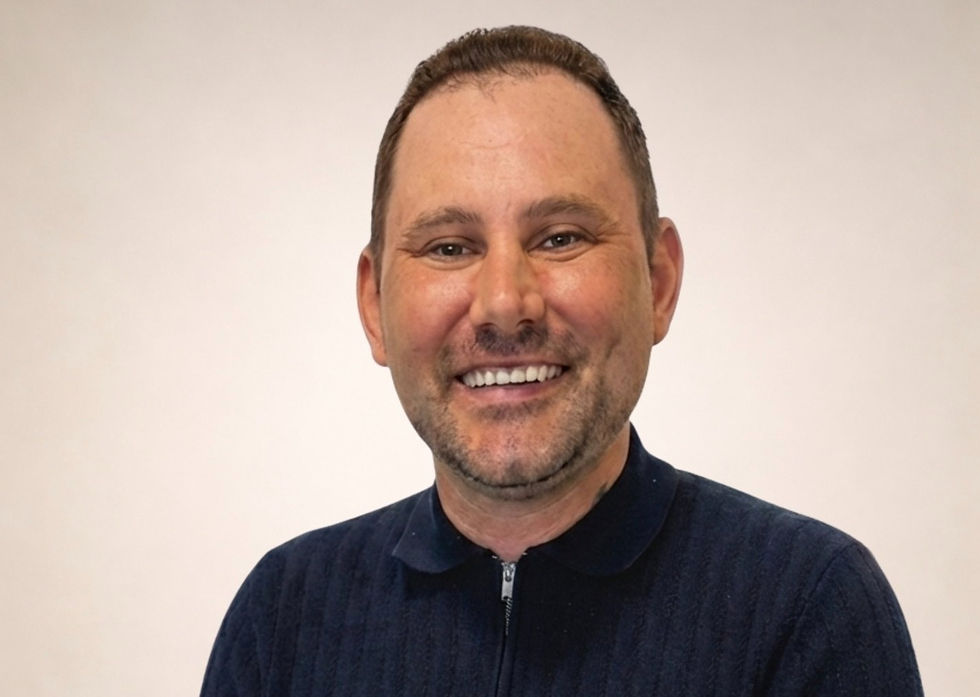
Jonathan Barca, Founder and Executive Director
Who is Jonathan Barca? Please introduce yourself.
I’m an independent creative founder working across music, fashion, and long-term cultural infrastructure. My focus has always been on building systems that allow creativity to exist sustainably, rather than chasing fast visibility or short-term wins.
Before fashion, music was my primary creative language.
I was the lead vocalist and guitarist of a three-piece rock band called Halfwait, and that experience shaped how I think about identity, emotion, discipline, and community. Creating music, releasing records, and building something from nothing taught me how culture actually forms, not through hype, but through consistency, intention, and connection.
Fashion entered my world as an extension of that process rather than a separate ambition.
I’ve always been interested in how creative worlds overlap, how music, clothing, and storytelling can operate together as a single ecosystem rather than isolated outputs.
Over time, that thinking naturally evolved into building something more structured and enduring.
I’m the founder of LML Clothing by Halfwait, an independent fashion label built around transparency, direct relationships, and patient growth.
The work I do today centers on building infrastructure that supports creative independence, from supply chain relationships to how brands connect with retailers globally.
Music remains a foundational part of my identity and continues to influence how I approach storytelling, culture, and community.
Rather than treating music and fashion as separate pursuits, I see them as interconnected cultural tools that help shape meaning, longevity, and trust over time.
What inspired you to start LML Clothing by Halfwait?
LML Clothing by Halfwait began directly through music rather than fashion.
During my time as the lead vocalist and guitarist of Halfwait, we were working with a merchandise platform based in California. What initially started as band merchandise gradually revealed something deeper to me.
I realized that clothing wasn’t just supporting the music, it was carrying the identity, emotion, and philosophy of the project beyond the songs themselves.
Around that same period, Halfwait released a single titled Live My Life in November 2021. The phrase became more than a lyric. It evolved into a personal mantra centered on independence, ownership, and choosing long-term direction over shortcuts.
LML emerged as an acronym from that mindset and eventually became the foundation for something bigger. As the music chapter evolved, I saw an opportunity to build a more permanent structure around the same values.
Fashion became the natural medium to continue that story. It allowed the philosophy behind the music to live on in a physical, functional form that people could connect with daily.
LML Clothing by Halfwait was never conceived as a trend-driven label. It was built as a cultural extension of music, grounded in patience, transparency, and the belief that creative work deserves strong infrastructure behind it. The brand exists to support longevity, not only creatively, but operationally and ethically as well.
How would you describe your brand’s style and vision?
The style of LML Clothing by Halfwait is intentionally minimal, restrained, and timeless.
I’ve always been more interested in how clothing feels over time rather than how it performs in a single season. The visual language is quiet by design, allowing the materials, construction, and fit to speak without distraction. The vision extends beyond the product.
LML was built around the idea that a brand should function as a long-term system rather than a trend response. That means prioritizing quality, transparency, and consistency at every level, from how garments are produced to how relationships with partners and retailers are formed.
Music continues to influence that vision deeply. The same principles that apply to writing or performing a song, patience, repetition, and emotional honesty, also apply to how the brand evolves. I see clothing as something that should integrate into a person’s life naturally, not compete for attention.
Ultimately, the brand exists to support creative independence. It’s designed for people who value longevity over novelty and who see clothing not as a statement, but as a quiet extension of how they live and work in the world.
What sets LML Clothing apart from other streetwear brands?
What sets LML Clothing by Halfwait apart is that it wasn’t built as a streetwear brand first. It was built as a cultural and operational system that happens to express itself through clothing.
Many brands focus primarily on aesthetics or hype cycles. My focus has always been on infrastructure. LML was designed to operate with transparency, patience, and long-term thinking, from global supply chain relationships to how the brand engages directly with retailers rather than relying on intermediaries.
The brand’s roots in music also play a significant role. Coming from a background where consistency, repetition, and trust matter more than instant attention, I’ve carried those principles into fashion. That perspective naturally shapes how collections are released, how partnerships are formed, and how growth is approached. Rather than chasing rapid expansion, LML Clothing by Halfwait is built to compound slowly.
It prioritizes durability, ethical production, and honest communication over trend-driven momentum. That long view, both creatively and operationally, is what ultimately differentiates the brand in a crowded landscape.
Who are your ideal customers and what are they looking for?
The people who connect most naturally with LML Clothing by Halfwait are those who value longevity, clarity, and intention over constant novelty. They’re not necessarily driven by trends or logos. They’re more interested in how something fits into their life over time.
Many of them come from creative or independent backgrounds themselves. They might work in music, design, business, or other fields where consistency and self-direction matter. They tend to appreciate quality, transparency, and brands that operate with a clear point of view rather than chasing attention.
What they’re looking for isn’t a statement piece or fast fashion cycle. They’re looking for clothing that feels considered, dependable, and quietly expressive. Something they can return to daily without it losing relevance.
At a deeper level, they’re drawn to brands that feel honest. They want to know how things are made, who is behind them, and why they exist. LML speaks to people who see clothing as part of a wider lifestyle and mindset rather than just a seasonal purchase.
How does music and culture influence your designs?
Music influences my design process less as a reference point and more as a way of thinking.
Coming from a background in songwriting and performance, I approach clothing with the same principles I learned through music, restraint, repetition, and emotional honesty.
In music, what lasts is rarely the loudest moment. It’s the structure, the feeling, and the consistency over time. That perspective carries directly into how I design. I’m less interested in seasonal statements and more focused on creating pieces that feel familiar, dependable, and considered the longer you live with them.
Culture also plays a role, but in a quiet way. I pay attention to how people actually move through their lives, how they work, create, travel, and rest. The designs are shaped to support that reality rather than perform for an audience.
Ultimately, both music and culture influence the brand by reinforcing patience. They remind me that meaningful work builds slowly, and that authenticity isn’t something you add at the end, it has to be embedded from the beginning.
What do you want people to feel when they wear your pieces?
I want people to feel comfortable, grounded, and confident without needing to think about it. The goal is for the clothing to support them rather than demand attention.
When someone wears an LML piece, I want it to feel familiar in the best way. Something they can return to daily, that fits naturally into their routine and doesn’t lose relevance over time. That sense of reliability is important to me.
There’s also a quieter emotional layer. I want the clothing to feel honest and considered, like it was made with intention rather than urgency. Not as a statement, but as something that aligns with how someone lives and works.
Ultimately, if the pieces allow people to move through their day with ease, focus, and a sense of self-direction, then the clothing is doing its job.
How do you ensure quality and authenticity in your collection?
Quality and authenticity start long before the product itself.
For me, they’re rooted in how decisions are made and how relationships are built. I work closely with manufacturing and supply chain partners and prioritize transparency at every stage. Rather than outsourcing responsibility, I stay directly involved in materials, construction, and production standards. That hands-on approach allows consistency to be maintained as the brand grows.
Authenticity comes from restraint. I don’t release pieces unless they serve a clear purpose within the wider system of the brand. Fewer products, produced with intention, allow quality to remain central rather than diluted. Most importantly, I align the way the brand operates with the values it presents.
When the process matches the philosophy, quality becomes a natural outcome rather than something that needs to be manufactured or explained.
Can you share a story of a customer whose life was impacted by your brand?
One moment that stayed with me wasn’t about a dramatic transformation, but something much quieter.
A customer reached out to say that wearing LML had become part of his daily routine while he was rebuilding his life professionally after a difficult period. He wasn’t talking about fashion in the traditional sense. What he described was the feeling of stability and consistency the clothing gave him during a time when everything else felt uncertain. That message mattered because it reflected exactly why the brand exists.
The idea that clothing can provide a sense of grounding, something familiar and dependable, rather than acting as a statement or distraction. It wasn’t about changing who he was, but about supporting him as he moved forward.
Moments like that reinforce my belief that the real impact of a brand often happens quietly, in everyday life. When something integrates naturally into someone’s world and helps them feel more settled or focused, that’s where the value truly lives.
What trends or future plans do you see for LML Clothing’s growth?
I see the future of LML Clothing by Halfwait being shaped less by trends and more by refinement. The focus is on strengthening what already exists rather than constantly expanding outward.
From a growth perspective, that means continuing to build direct, trust-based relationships with retailers and partners globally, while maintaining control over production, transparency, and quality. I’m more interested in sustainable scale than rapid visibility, allowing the brand to grow in a way that feels natural and structurally sound.
Culturally, I see a broader shift toward longevity and clarity. People are becoming more considerate about what they buy, how often they buy, and why a brand exists in the first place.
LML is positioned to grow alongside that mindset by remaining consistent and intentional. Looking ahead, the goal is to keep building an ecosystem rather than just a label. One that can evolve slowly over time while staying rooted in the same values that shaped it from the beginning.
How can someone connect with you or become a wholesale partner?
The best way to connect is through the brand directly. I’m intentional about keeping communication open and transparent, especially with retailers and partners who align with the values behind the work.
For wholesale partnerships, I focus on direct relationships rather than intermediaries. I’m interested in working with retailers who value long-term collaboration, clarity, and mutual trust rather than short-term volume.
Those conversations usually begin through the brand’s official channels, where we can understand each other’s expectations properly from the outset.
I see wholesale as a partnership rather than a transaction. When values, pace, and vision are aligned, the relationship tends to grow naturally over time. That approach has allowed LML Clothing by Halfwait to build meaningful connections while maintaining consistency and integrity as it expands.



