

Consequences Of Burnout – Understanding, Preventing, And Thriving In A High-Pressure World
Written by: Penelope Μagoulianiti, Executive Contributor
Executive Contributors at Brainz Magazine are handpicked and invited to contribute because of their knowledge and valuable insight within their area of expertise.

Nowadays, we have a hustle culture coupled with unceasing digital connectivity, which has left us in a persistent state of 'being on.' This relentless rhythm is unsustainable and has resulted in increased burnout cases, a form of chronic physical and emotional exhaustion often accompanied by cynicism and feelings of detachment.
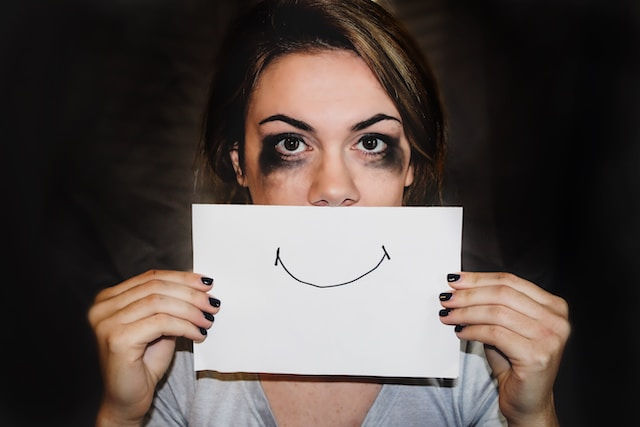
Understanding the profound implications of burnout on our personal and professional lives is the first step towards preventing it.
The Consequences of Burnout
Burnout can wreak havoc on our personal and professional lives if left unaddressed.
Professional Impact
Reduced Productivity: Chronic stress from burnout can impair cognitive functions such as attention, memory, and problem-solving, ultimately leading to a drop in productivity and performance.
Strained Relationships: Burnout can cause individuals to become irritable and impatient, straining relationships with colleagues and superiors.
Career Progression: Prolonged burnout may lead to frequent absences and reduced commitment, negatively affecting career progression.
Personal Impact
Physical Health: headaches, sleep disturbances, and a weakened immune system are some problems due to burnout. Over time, it can also contribute to more serious conditions like heart disease.
Mental Health: Individuals experiencing burnout often report feelings of hopelessness, anxiety, and depression.
Personal Relationships: The irritability and cynicism resulting from burnout can strain personal relationships and cause problems with our partners, often leading to social withdrawal.
Preventing Burnout
Addressing burnout requires a comprehensive approach, encompassing both personal and organizational strategies.
Personal Strategies
Self-Care: Regular exercise, a balanced diet, and sufficient sleep form the foundation of physical health and stress management.
Mindfulness and Relaxation Techniques: Activities like yoga, meditation, or even a quiet walk outdoors can help reduce stress and increase mental resilience.
Digital Detox: Allocating specific periods during the day for a digital detox. When we disconnect from digital devices, we can reduce the stress derived from constant connectivity.
Seek Support: If feelings of burnout persist, it may be beneficial to seek professional help. Therapists and coaches can provide strategies to manage stress and cope with burnout.
Organizational Strategies
Healthier Work Environment: Employers should promote a balanced work culture that encourages regular breaks, manageable workloads, and the utilization of vacation days.
Training Programs: Implementing stress management and resilience training programs can equip employees with strategies to combat burnout.
Employee Assistance Programs: Resources such as coaching sessions can support employees dealing with burnout.
Foster Open Communication: Creating an environment where employees feel comfortable discussing stress and burnout can help in early identification and intervention.
We can safeguard our health and well-being by recognizing the consequences of burnout and implementing effective strategies to prevent it.
Burnout is absent when we aim for a more balanced lifestyle with more self-care and the courage to prioritize our mental health in the face of mounting pressures. Learn how to change the relationship you have with yourself, your partner, and others by registering here.
Penelope Μagoulianiti, Executive Contributor Brainz Magazine
Penelope Magoulianiti is a transformational coach for women. She helps career women to thrive in their careers without having to sacrifice their emotional health or their relationships. She is the CEO of W.O.W. Education and works with women from all over the world. Her message: You can have what you want without sacrificing what you love.







