

Chelsea Lovece on Building Belonging Across Cultures at EF Academy
Chelsea Lovece has spent her career working with young people and families from a wide range of backgrounds and experiences. Across those roles, one principle has remained consistent: understanding someone begins with listening to their perspective rather than assuming that everyone experiences the world in the same way.
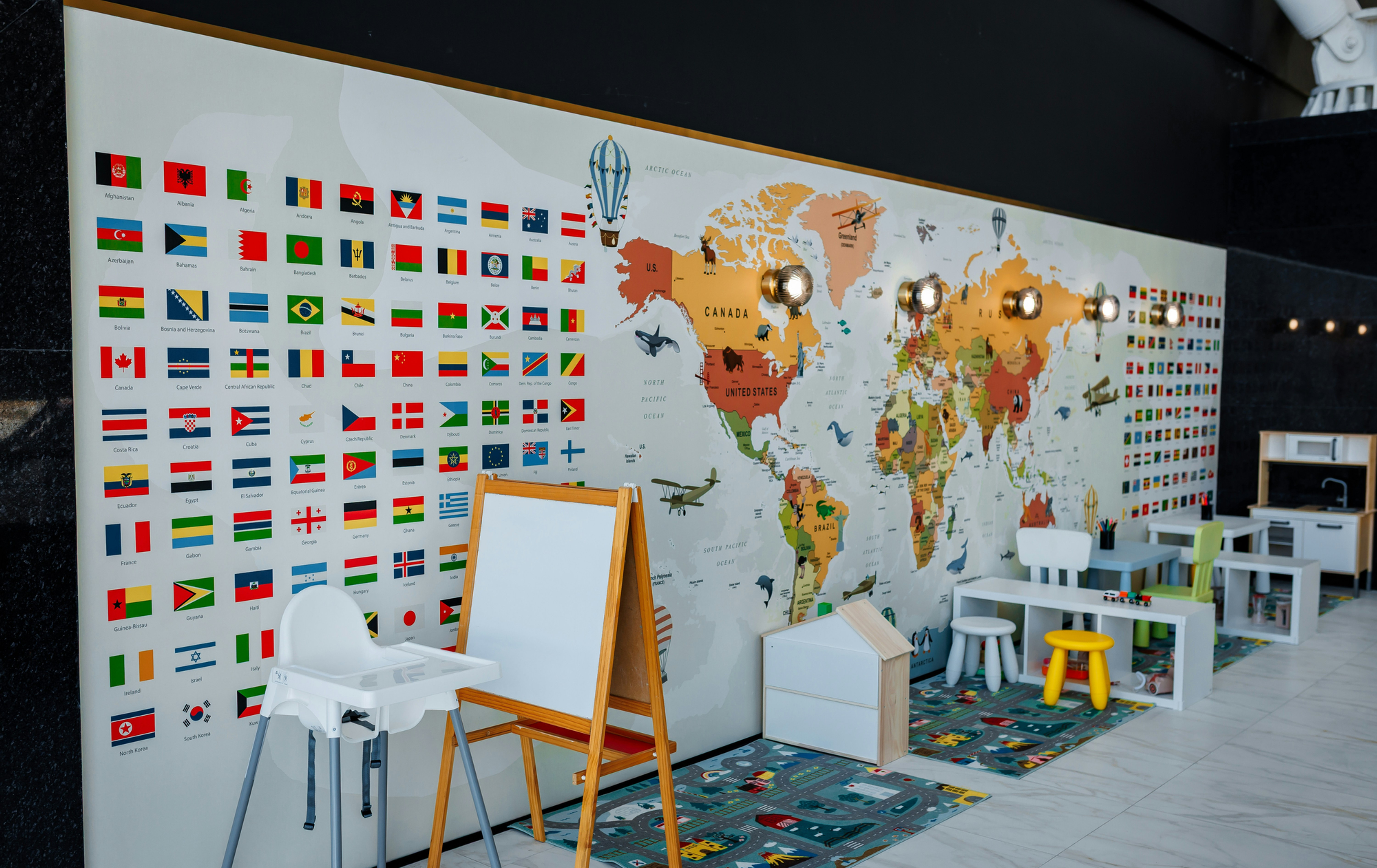
That approach is especially relevant to her work at EF Academy, an international school community that brings together students from dozens of countries on one campus. In an environment shaped by different languages, cultures and experiences, building belonging requires more than bringing people together. It requires creating a community in which cultural differences are celebrated, shared human values are recognized and distinct perspectives are understood and respected.
Why a global campus changes the question
Every school has to think about how students develop relationships and become part of a community. On a global campus, that work takes on an additional dimension: students may arrive with very different ideas about communication, friendship, classroom participation and everyday social interactions.
Lovece sees cross-cultural understanding as a skill that the whole community develops over time, rather than a topic reserved for a particular program or event.
The need for belonging may be universal, but the way people experience and express it is not. Ideas about respect, humor, personal space or communication can vary significantly depending on a student's background. Clear, empathetic communication starts with recognizing those differences, listening carefully and remaining curious about perspectives other than our own.
Naming shared values without flattening differences
One of the challenges of building belonging across cultures is creating common ground without minimizing the differences that make an international community distinctive.
Students can have fundamentally different backgrounds and perspectives while still finding meaningful common ground. Building an inclusive community means making room for both.
Lovece's approach is to recognize that students bring different perspectives, traditions and ways of communicating while sharing fundamental expectations around respect, inclusion and participation in a community. Across cultures, people want opportunities to be heard, to build meaningful relationships and to feel valued.
Creating that balance requires curiosity. Instead of assuming that a particular behavior or interaction means the same thing to everyone, educators and students can ask questions, listen and consider the cultural context behind different perspectives.
Where cross-cultural understanding shows up
Cross-cultural understanding is built through everyday interactions. It shows up in how students and staff communicate, how people approach misunderstandings, and how they respond when different perspectives or expectations come into conflict.
That can happen in ordinary moments: a classroom discussion in which students approach the same question differently, a conversation between students whose expectations about communication do not immediately align, or a community activity that introduces people to traditions and experiences beyond their own.
In those moments, cultural differences become opportunities to learn from one another rather than overcome obstacles.
A habit of intentional attention
Lovece describes mindfulness and intentionality as important to the way she approaches her work. The same idea applies to cultural competence.
Understanding people from different backgrounds is not something a community completes through a single training session or initiative. It develops through repeated interactions and a willingness to keep learning.
That means paying attention to whose perspectives are represented, remaining open to interpretations other than our own and being willing to ask rather than assume. Over time, those habits can help students become more comfortable navigating unfamiliar perspectives and more confident communicating across cultures.
Building belonging through everyday interactions
Ultimately, belonging is built less through statements or programs than through the daily experiences students have with one another.
Bringing together students from around the world creates an unusual opportunity: young people can learn not only alongside people from different cultures, but directly from them.
The goal is not to erase the differences within an intentional community, but to give students the skills and opportunities to engage with them thoughtfully.
For Lovece, that is what turns diversity from a characteristic of a school into something students actively learn from.







