Can You Be Too Flexible? 6 Tips To Make You Feel Better
Written by: Dr. Marcia Perretto, Executive Contributor
Executive Contributors at Brainz Magazine are handpicked and invited to contribute because of their knowledge and valuable insight within their area of expertise.

Do you ever notice that person in your yoga class who can bend and stretch way beyond what seems possible for any human? Do you remember that kid in your class who was “double jointed” and could do things with their body that no one else could do? They could put their feet behind their head like a Cirque du Soleil acrobat. They could bend their thumb back to touch their forearm. They could bend their elbows and knees backwards. These were always great “party tricks”, but fast forward a few years, and these people might be facing some serious issues due to their flexibility.
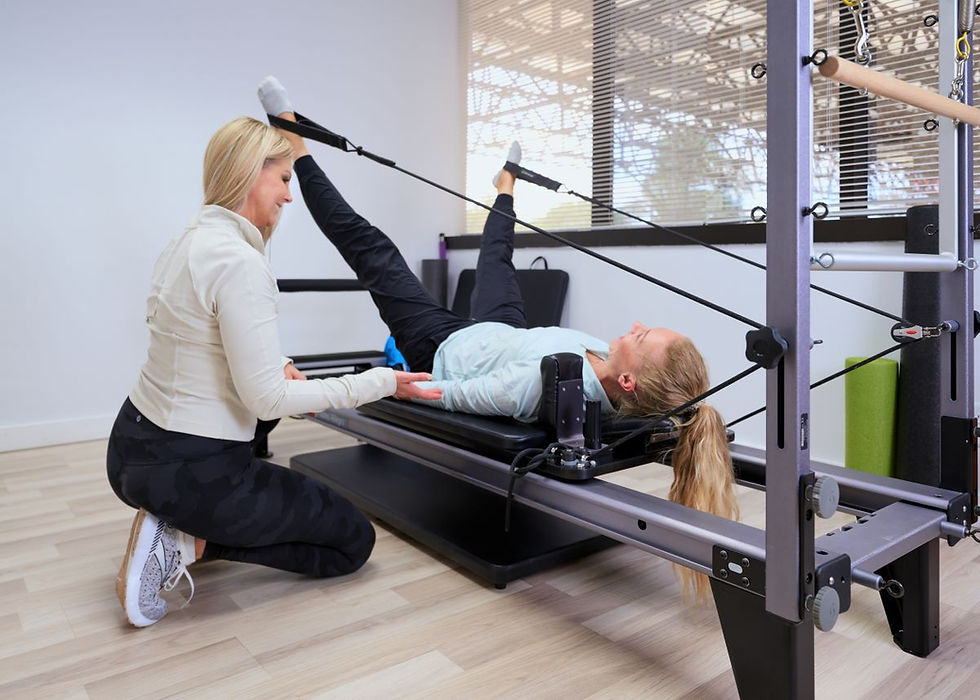
Can you be too flexible? The simple answer is YES! But why are some people’s joints so flexible? Science has not yet determined the underlying causes of hypermobility syndromes, specifically Hypermobile Ehlers-Danlos Syndrome (hEDS) but there are many theories and ideas including connective tissue weakness, repeated trauma to joints, and potential neurological conditions. It has been shown that highly flexible joints and tissues can be associated with other issues that can affect a person’s quality of life. Hypermobility syndromes seem to exist on a spectrum, with some individuals having hypermobility in only one area of their body, while others may have highly flexible joints throughout the entire body.
What are some signs and symptoms associated with Joint Hypermobility?
Highly flexible joints
Decreased joint stability (they may even pop out of joint)
Sensations of muscle stiffness
Increased joint and tissue strain
Decreased muscle strength
Decreased efficiency of healing
Heightened nervous system arousal (magnified senses and pain)
If you (or someone you know) are experiencing these symptoms, there are recommendations and exercises that should help alleviate symptoms and improve your condition:
Participating in controlled strengthening with appropriate exercises to improve stability
Employing proper body mechanics when moving
Avoiding positions of joint hyperextension – no party tricks!!
Being selective about activities you choose and pacing of those activities
Avoid staying in one position for long periods of time
Finding a balance between activity and rest
With a thoughtfully designed plan of care, hypermobile people can regain and maintain their quality of life and thrive in their flexible bodies. If you need more tips and information about the treatment of hypermobility, check out Dr. Marcia Perretto’s book Unlocking the Secrets to the Hypermobility Puzzle and follow her on Instagram.
Follow me on Facebook, Instagram, LinkedIn, Twitter, and Youtube, or visit my website for more info!
Dr. Marcia Perretto, Executive Contributor Brainz Magazine
Dr. Marcia C. Perretto is a Doctor of Physical Therapy, Certified Orthopedic Manual Therapist, with advanced training in movement sciences, Lymphedema, Health Coaching and Nutrition, Yoga Therapy, and Redcord®. She is the founder and CEO of ActifyPT, a highly specialized clinic that focuses on the treatment of those who present with joint hypermobility and Ehlers-Danlos Syndromes and its comorbidities like Dysautonomia, Mast Cell Activation Disorder, and Autonomic dysfunction – Vagus Nerve dysregulation. Dr. Perretto is the co-author of the book Unlocking the Secrets to the Hypermobility Puzzle.