

Beauty Standards and Who Made the Rules, and Why Are We Still Following Them?
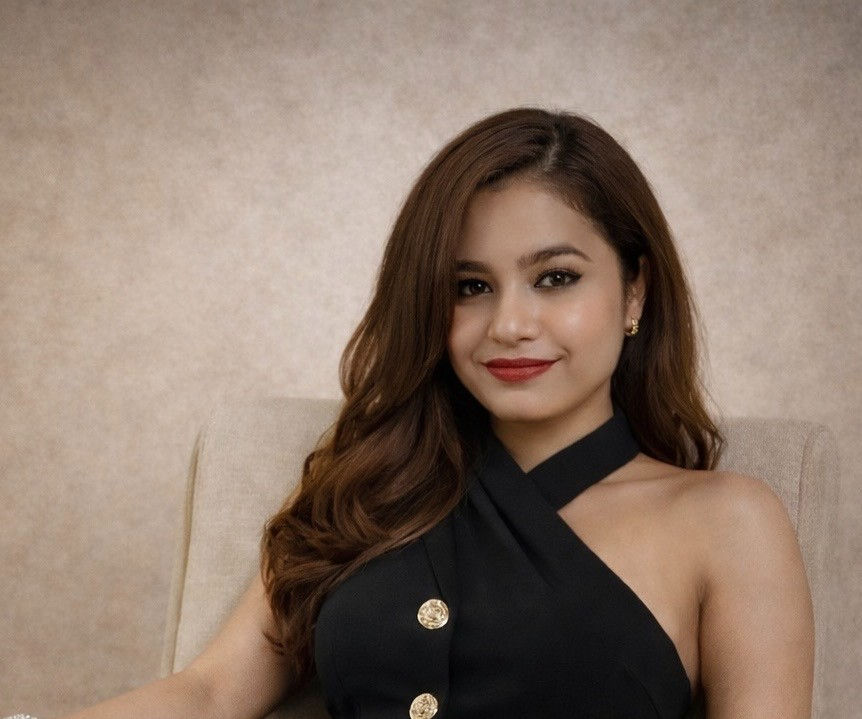
Kiara Pooja Chandru is the visionary Founder & CEO of KiLeela. A premium beauty brand built on the belief that beauty is inclusive, confidence-driven, and transformative, where she turned her pain into a brand.

Nobody ever officially told us what beautiful was supposed to look like. There was no handbook. No meeting where we collectively agreed that clear skin was better than textured skin, that certain body types were more desirable than others, or that looking younger for longer should be something we all aspire to.
Yet, somehow, most of us got the memo.
We learned it through magazines, films, advertisements and, eventually, social media. We learned which women were called beautiful and which ones were told they were brave for simply existing in their bodies. We learned which features were praised, which ones were considered flaws and which ones we were expected to fix.
The strange thing is that beauty standards are constantly changing. One decade tells us to be thin. Another tells us to have curves. One moment, fuller lips are everywhere. The next, a completely different face becomes the ideal.
The rules keep changing. But women are somehow expected to keep up. That's where things get complicated. Because there is absolutely nothing wrong with wanting to look good. There is nothing wrong with makeup, skincare, dressing up or enjoying the feeling of looking your best.
The question is, "When did looking good become something we enjoy, and when did it become something we feel we must do?"
How many of our beauty choices are genuinely ours? How many began with a message we absorbed somewhere along the way?
Maybe you've changed your outfit because you were worried about what someone would think. Maybe you've avoided a photograph because you didn't like how you looked. Maybe you've looked in the mirror before a date, an interview or a party and wondered whether looking better might somehow make you more liked.
That last one is perhaps the hardest to admit. Because beauty isn't just about appearance. Somewhere along the way, many of us began connecting it to acceptance.
To attention.
To being chosen.
To being loved.
When the definition of beauty becomes too narrow, we don't simply think, That's not my definition of beauty.
We often think, "Something about me needs to change."
So, where does KiLeela come in?
For me, this conversation is personal. There was a time when I genuinely felt that I needed to fit a certain image to be loved, to look a particular way because the standards around me had quietly convinced me that this was what being desirable, accepted and worthy looked like.
I know I'm not the only one. That is where KiLeela comes in. KiLeela wasn't created to tell women that they shouldn't care about beauty. In fact, beauty can be fun. It can be creative. It can be expressive. It can give us confidence and allow us to show different sides of ourselves.
But somewhere between enjoying beauty and constantly trying to achieve it, something has become lost.
We've become so busy trying to meet the standard that we rarely stop to question it.
Who created it?
Why does it exist?
Why do so many of us feel like we must change ourselves to meet it?
KiLeela wants to create space for those conversations. Not the polished, perfect conversations where everyone pretends they have never compared themselves to another woman. The honest ones. The ones about looking in the mirror and not feeling enough.
About wanting to change something about yourself and not always knowing whether the desire came from you or from everything you've been taught to believe. About loving makeup while also questioning why we sometimes feel uncomfortable leaving the house without it. About wanting to look beautiful but not wanting our entire sense of worth to depend on whether we are.
Because change doesn't necessarily begin by rejecting beauty. It begins by changing our relationship with it.
That's what KiLeela hopes to be part of. A space that doesn't give women another impossible standard to live up to. A space that doesn't tell you what you need to buy, fix, change or improve before you can feel confident. But a space that encourages us to question the messages we've been given and decide for ourselves what beauty means.
Maybe beauty doesn't need more rules
You can love makeup and still question beauty standards. You can enjoy skincare and still reject the idea that ageing is something to fear. You can want to look beautiful without believing there is only one way to be beautiful. You can care about how you look without allowing your appearance to determine how worthy you feel. KiLeela isn't here to pretend that beauty doesn't matter. The world has made it clear that it does. But perhaps that's exactly why we need to talk about it more honestly.
Because if beauty has the power to influence how we see ourselves, then surely we should have a say in how beauty is defined.
The rules have been written for us for long enough. Maybe it's time we started questioning them. Maybe it's time we started rewriting them.
Who made the rules of beauty, and why are we still following them?
Read more from Kiara Pooja Chandru
Kiara Pooja Chandru, Founder & CEO of KiLeela
Kiara is a beauty entrepreneur building KiLeela, where her journey began not from confidence, but from pain, spending her teens and twenties battling acne and personal insecurities that deeply wounded her self-worth and left her believing beauty was something she had to earn. She measured herself against impossible beauty standards, feeling like she never quite belonged in beauty spaces. But that pain became her turning point, and through intentional self-care and deep inner work, she discovered that real glow is not something you buy, it is something you build. That revelation gave birth to KiLeela, a brand rooted in the philosophy that beauty is a form of self-mastery. Because beauty fades, but your presence lasts.


