Banish The Winter Blues
Written by: Tara Best, Executive Contributor
Executive Contributors at Brainz Magazine are handpicked and invited to contribute because of their knowledge and valuable insight within their area of expertise.

As winter approaches, those who suffer from Seasonal Affective Disorder (SAD), also known as the ‘winter blues’, might be dreading the months ahead. SAD is a type of depression that comes and goes in a seasonal pattern. The symptoms are usually more apparent in winter and can take a toll on daily life.
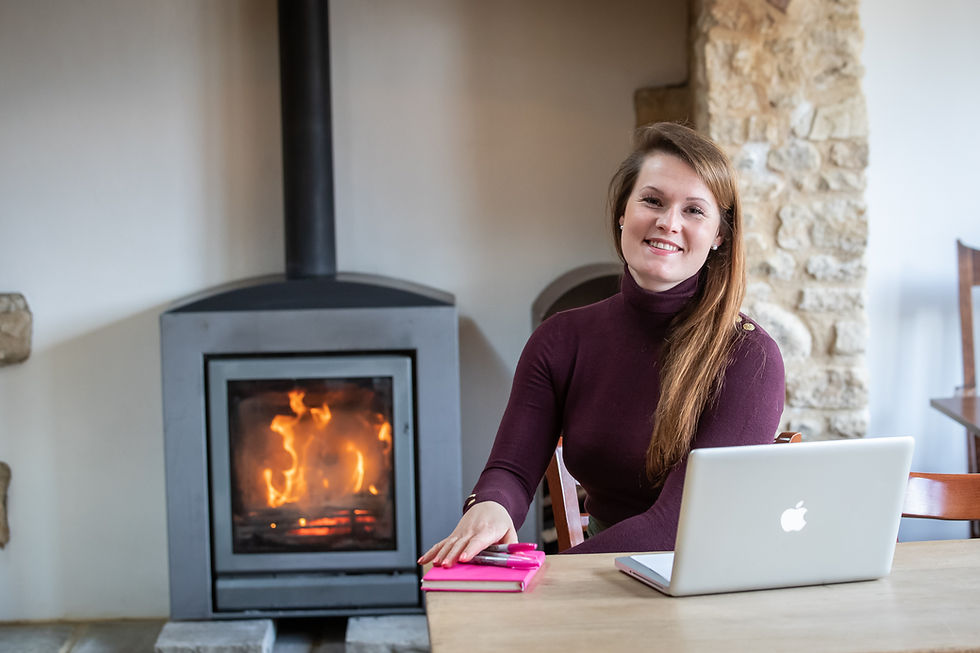
While the exact chemical cause of Seasonal Affective Disorder isn’t fully understood, it’s thought to be linked to a lack of exposure to sunlight during the shorter autumn and winter days. There have also been studies looking at the link between Vitamin D deficiency and depression. The symptoms of SAD include:
Trouble sleeping
Lethargy during the day
Overeating
Depression and feeling unsociable
Irritability
SAD is a common problem, thought to affect 2 million people here in the UK and over 12 million people across northern Europe. But thankfully, there are ways to combat it and stay happy, productive and healthy when the clocks change. Severe SAD is treated in the same way as other types of depression, with cognitive behavior therapy (CBT) and medicines such as antidepressants. However, for those with less acute symptoms, there are lifestyle changes you can make instead.
Tara Best, a qualified Neuro-Linguistic Programming (NLP) Coach and Practitioner, Hypnotherapist, Time Line Therapy™ Practitioner and business mindset coach, shares her tips and ideas, which anyone can try at home, to help combat the impact of SAD. So, as the evenings get steadily darker, the leaves change and we prepare for cooler weather, why not make a note of these?
Stay Active
An hour-long walk at lunchtime (when it might not always be as sunny as in summer, but it will at least be light!) has been shown to boost the mood of SAD sufferers as much as light box therapy. Fresh air and exercise automatically lift your spirits and will boost brain and body health. In fact, I recommend anyone who works at a computer all day to make sure they take at least 30 minutes away from their desk for a walk at any time of year!
Boost Vitamin D from dietary sources
Did you know that here in the UK (and for much of Northern Europe), throughout autumn and winter the angle of the sunlight hitting the earth prevents as many UVB rays from penetrating the atmosphere? That means those rays cannot reach the skin, even if you stand outside on a sunny day. That means we can’t make vitamin D from sunlight during late autumn and winter and early spring (we can between late March and September). It can be tricky to get all the Vitamin D from food, and that’s why Public Health England recommends everyone over the age of 5 should take a 10mg Vitamin D supplement in autumn and winter.
Stay sociable and connected
It can be tempting to hunker down and hide when the weather outside is bad and it’s dark by 4:430pm, but does that actually suit you? If seeing friends and family, going to the cinema, sporting events, the theatre and exhibitions or even just heading out for a meal once a week brings you joy, don’t stop in winter. Pull on warm boots and a good coat and plan a normal social life anyway. Even if you don’t stay out late, just having events in your diary will give your days and weeks structure and help you deal with winter.
Lean into longer evenings
When you do have an evening at home, instead of dreading the hours you spend indoors, is there anything you can do with that time that will give you a feeling of accomplishment? It’s been shown that having something new and interesting to focus onwards off symptoms of SAD. Perhaps creating photo albums of your summer holidays, redecorating a room in your house, or clearing out the cupboard that’s become a dumping ground! If you spend an hour or two a week working towards a goal and ticking jobs off a list, you might just be able to relax and enjoy the rest of the evening on the sofa without feeling trapped.
Work on a positive mindset
Did you know that your brain doesn’t know the difference between the narrative we tell it, and reality? That means if you focus on being miserable and trapped inside, that’s what your subconscious mind will focus on. Try to spend just 5 minutes at the start of every day writing down or speaking out everything you are grateful for, however big or small. You can’t feel negative feelings when you’re truly in a state of being grateful! Even being grateful for a cup of great coffee and a cosy sweater can boost our mood. Repeating positive affirmations will also help reframe the way you think about yourself and stop negative self-talk.
Good luck! If you would like to join an incredible community of women on a FREE virtual retreat to chat about goal setting, mindset mastery, success and productivity, head over to my Facebook Group and sign up. It kicks off on the 11th of October and there are prizes to be won…
For more mindset and productivity tips and some brilliant marketing inspiration, make sure you listen to my podcast Tara Talks, follow me on Instagram, and check out my website.
Tara Best, Executive Contributor Brainz Magazine
Tara Best of Tara Punter Coaching and Tara Punter PR is incredibly passionate about all things mindset and marketing and helping business owners thrive while taking control of those limiting beliefs likely to hold them back in business. As a certified Neuro-Linguistic Programming (NLP) Coach, NLP Practitioner, Practitioner of Time Line Therapy, and Hypnotherapist, she has the tools required to help clients rewire their subconscious mind, to help them create unlimited success. She combines this with her marketing and public relations expertise to truly help her audience thrive. Best is also the voice behind the popular podcast Tara Talks and soon to be a published author.