7 Hidden Costs of Childhood Trauma That Success Can't Fix
Samantha Roach is an Integrative Counsellor, author, speaker, and founder of Beauty for Ashes Ministry and Brokenness to Hope CIC. Through counselling, workshops, and community programmes, she helps individuals move from trauma, grief, and emotional pain toward healing, hope, and personal transformation.

From the outside, someone can appear to have it all together. A successful career. A thriving business. A loving family. A busy social life. They smile, they achieve, and they keep going. Yet behind closed doors, many are carrying wounds that no amount of success can heal.
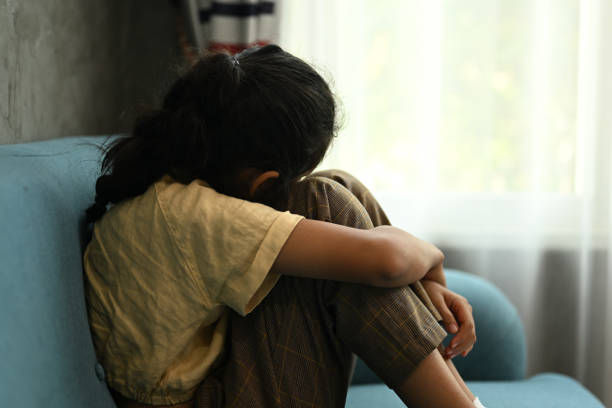
As a trauma informed integrative counsellor, I have sat with countless people whom the world would describe as successful. They are leaders, professionals, parents, and entrepreneurs. They are the ones everyone turns to for advice and support. Yet beneath the surface, they are battling anxiety, shame, fear of rejection, perfectionism, and an overwhelming sense that they are never quite enough. I understand this not only through my work but also through my own journey.
For many years, I became an expert at looking strong while quietly carrying pain from my childhood. I believed that if I achieved enough, worked hard enough, or helped enough people, somehow the pain would disappear. It did not. The truth is this, success can change your circumstances, but only healing can change your heart.
Seven hidden costs of childhood trauma that success alone cannot fix
1. You constantly feel you have to prove yourself
Many people who experienced trauma or emotional neglect as children grow into adults who believe their value must be earned. They become high achievers, overwork, struggle to say no, and measure their worth by what they do rather than who they are. Achievement becomes less about fulfilment and more about survival.
For years, I believed that if I just did more, people would finally see my value. Healing taught me that my worth was never something I had to earn.
2. You find it difficult to trust others
Childhood teaches us whether relationships are safe. When trust has been broken early in life, it can affect every relationship that follows.
You may expect people to leave, keep others at arm’s length, or become the person who carries everyone else’s burdens because asking for help feels impossible. Healing begins when we recognise that not everyone is going to hurt us in the way others once did.
3. You live in survival mode
One of the greatest effects of childhood trauma is that the body learns to stay alert. Even when life becomes calmer, your mind may still be preparing for the next crisis.
You stay busy because slowing down feels uncomfortable, struggle to rest without guilt, and feel responsible for everyone around you. Survival mode may have protected you once, but it was never meant to become a permanent way of living.
4. You wear a mask that hides how you are really feeling
Many survivors become experts at appearing “fine.” They smile, encourage others, and keep serving. Meanwhile, inside, they feel exhausted, lonely, or overwhelmed.
For years, people saw resilience in me, but very few saw the pain I was carrying. Looking back, I realise I had learned how to function long before I had learned how to heal. There is a difference between coping and healing.
5. You fear rejection more than you realise
When you have experienced rejection, criticism, or abuse during childhood, those experiences often shape the way you see yourself. A simple disagreement can feel like abandonment, and constructive feedback can feel like failure.
You may spend your life trying to avoid disappointing people because, somewhere deep inside, you still fear not being enough. Healing helps us separate our past experiences from our present reality.
6. Your identity becomes what you do rather than who you are
One of the greatest lies childhood trauma can leave us believing is that our worth depends on what we do rather than who we are.
We become known as the strong one, the helper, the achiever, or the person everyone relies on. Over time, these roles can become our identity, making it difficult to know who we are without them.
Part of my own healing journey was discovering that my identity was not rooted in my achievements or performance. As a Christian, I found that my identity is in Christ and that my worth was never something I had to earn.
Healing helps us move from living for approval to living from a place of knowing our true value.
7. You believe healing is for everyone else
This may be the greatest hidden cost of all. Many people convince themselves that because they are functioning, they do not need healing. They tell themselves, “I have got this far,” “Other people have had it worse,” or “I am coping.” But coping is not the same as healing.
There came a point in my own life when I realised I no longer wanted to simply survive. I wanted freedom. That decision led me on a journey of healing, strengthened my faith, inspired me to become a counsellor, and eventually gave me the courage to write my memoir, From Brokenness to Hope. Today, I have the privilege of walking alongside others as they discover that healing is possible too.
Healing is possible
Healing does not erase the past or pretend the pain never happened. It allows us to remember our story without allowing it to define our future. It replaces shame with self compassion, fear with courage, isolation with connection, and brokenness with hope.
Whether your childhood trauma was obvious or hidden, your experiences matter. You do not have to continue carrying wounds that were never yours to bear.
Three questions to reflect on
Before you move on to the next task in your day, take a moment to reflect:
What beliefs about myself were formed in childhood that I still carry today?
Am I striving for success because I love what I do, or because I am trying to prove my worth?
What would change if I truly believed I was already enough?
Sometimes healing begins with a single honest question.
Final thoughts
Our past may explain us, but it does not have to define us. No matter where your journey has taken you, there is hope. There is freedom beyond fear, and there is life beyond survival.
My own story is proof that healing is possible. It was not quick, and it certainly was not easy, but it transformed not only my life, but it also gave me a purpose. Today, that purpose is to help others move from brokenness to hope. Because no matter what you have experienced, your story does not have to end where your pain began.
Read more from Samantha Roach
Samantha Roach, Trauma Informed Integrative Counsellor
Samantha Roach is an ACC-registered Integrative Counsellor, author of From Brokenness to Hope, speaker, and founder of Beauty for Ashes Ministry and Brokenness to Hope CIC. Having overcome childhood abuse, addiction, trauma, and profound personal loss, she is passionate about helping others find healing and restoration. With over 1,000 counselling hours and extensive experience supporting individuals, couples, and trauma survivors, Samantha combines professional expertise with lived experience to inspire lasting transformation. Through her counselling practice, workshops, and community programmes, she helps people discover hope, healing, and purpose beyond their pain.