3 Easy Exercises To Lower Blood Pressure Immediately
Written by Nicki Jennison, Health Coach
Fitness expert Nicki Jennison, founder of Fitness Faster Online Global Training, specialises in guiding women through menopause and training men through mid/late life challenges.

High blood pressure, or hypertension, affects millions of people worldwide, increasing the risk of heart disease, stroke, and other serious health issues. The good news is that there are simple, effective ways to lower your blood pressure right now. In this article, we'll explore three easy, evidence-based exercises to help you manage your blood pressure and improve your overall well-being.
Exercise 1: Deep breathing exercises
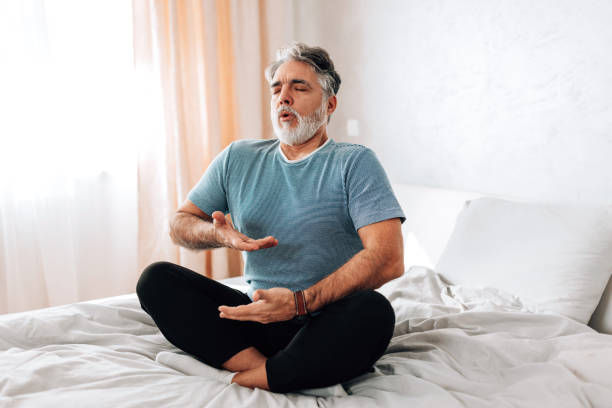
Deep breathing exercises are a simple yet powerful way to reduce blood pressure by activating the parasympathetic nervous system, which promotes relaxation and stress reduction. There are many different breathing techniques, and I recommend you look into Pranayama techniques until you find one that you like. The variety will keep your practice interesting. For now, try this straightforward breathing exercise:
Steps
Find a quiet space: Place your hand on your belly.
Inhale deeply: Through your nose for a count of four, expanding your belly.
Hold your breath: Hold the breath for a count of four.
Exhale slowly: Breathe out through your nose for a count of six.
Repeat: Continue this cycle for two to ten minutes.
Studies have shown that deep breathing exercises can significantly reduce both systolic and diastolic blood pressure. One study published by Frontiers in Physiology found that participants who practised deep breathing for just two minutes experienced significant reductions in their blood pressure levels.
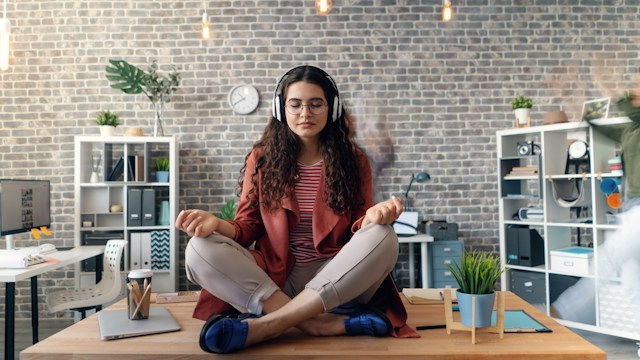
Although not specifically focusing on breathing alone, meditation can also have a significant impact on blood pressure by naturally slowing and regulating your breath. Try my 15-minute Mountain Meditation and notice how much slower and longer your breaths are by the end of it. Breathing and Meditation exercises also have the added benefit of reducing stress and improving focus and sleep quality.
If you regularly exercise then you may also be interested in my article: “The Importance Of Proper Breathing When Exercising”.

Exercise 2: Progressive muscle relaxation (PMR)
Progressive Muscle Relaxation (PMR) involves tensing and then relaxing different muscle groups in the body. This exercise can help reduce blood pressure by easing muscle tension and promoting relaxation.
Research published in Enfermeria Clinica has shown that PMR can effectively lower blood pressure, reduce stress, and improve overall mental health. Participants who practised PMR regularly saw significant reductions in their blood pressure readings.
Steps
Get comfortable: Sit or lie down in a comfortable position.
Tense your muscles: Start with your toes, tensing each muscle group for five seconds.
Relax: Release the tension and relax for 30 seconds.
Progress through your body: Move up through your body, tensing and relaxing muscles in your calves, thighs, butt, abdomen, chest, upper back, shoulders, arms, and face.
Focus on relaxation: Pay attention to the sensation of relaxation as you progress.
Be mindful of over tensing muscles to avoid strain and if you have any injuries or severe muscle pain, consult a healthcare provider before starting PMR.

Exercise 3: Walking
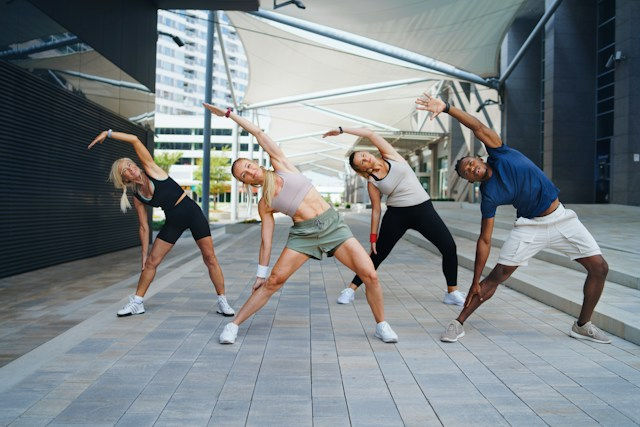
Walking is one of the easiest and most accessible forms of exercise that can help lower blood pressure. Even a short walk can have a positive impact on your cardiovascular health. Make sure you have proper footwear to prevent injuries.
Numerous studies have demonstrated that walking can lower blood pressure. One Study “Association between Exercise and Blood Pressure in Hypertensive Residents” found that participants who took part in walking, yoga, aquatic sports and football had significant reductions in their systolic and diastolic blood pressure.
It is essential that you do a slow and controlled warm-up and cool-down.
Warm-up and cool down
Warm-up: For those with high blood pressure, a warm-up should be gradual to prevent sudden increases in heart rate. Start with gentle movements like slow walking or marching in place to gradually elevate your heart rate.
Cool down: Cooling down should also be gradual. Slow your pace to bring your heart rate down steadily. Include gentle stretching to help relax muscles and promote circulation.
Steps
Find a safe place to walk: Choose a comfortable and safe area for walking.
Warm-Up: Start with a slow pace for five to ten minutes to warm up.
Increase your pace: Walk briskly for ten to twenty minutes.
Cool down: Finish with a slower pace for five minutes to cool down.
Individuals with severe hypertension or cardiovascular conditions should consult a healthcare provider before starting a walking program.
If yoga interests you, join me for a quick 20-minute Beginner Yin Yoga Class. Watch this video.

Incorporating these three easy exercises into your daily routine can have an immediate impact on your blood pressure and overall health. Deep breathing exercises, progressive muscle relaxation, and walking are simple, effective ways to manage blood pressure and reduce stress. Taking small steps towards managing your blood pressure can lead to significant health benefits. Stay consistent and get in touch if you want personalised advice.
Nicki Jennison, Health Coach
Fitness expert Nicki Jennison, founder of Fitness Faster Online Global Training, specialises in guiding women through menopause and training men through mid/late life challenges.
With over 20 years of proven experience, Nicki addresses health, energy, injuries, nutrition, hormones, strength, and weight loss. Beyond her mentoring role for Personal Trainers, Nicki Holds a Diploma in Advanced Personal Training and a Degree in Education. She continuously enhances her expertise in health and fitness through ongoing study, including NLP Life coaching, Rehab Training, and Hormonal Profiling amongst other qualifications.
Setting herself apart with a focus on individualised training, Nicki's practical and evidence-based philosophy extends beyond the gym, considering broader lifestyle factors such as sleep, stress, toxins, and hormones. Tailoring her methods to busy schedules, she delivers exceptional results and crucial support to improve fitness, health, sleep, strength and energy.
References:
"Breathing exercise for hypertensive patients: A scoping review " published in Frontiers in Physiology.
“The effect of progressive muscle relaxation on anxiety and blood pressure among hypertension patients in east Kalimantan, Indonesia” published in Enfermeria Clinica
“Association between Exercise and Blood Pressure in Hypertensive Residents" published in Evidence-Based Complementary Alternative Medicine.