10 Mindset Shifts and Coping Strategies to Embrace the Gift of Being a Highly Sensitive Person (HSP)
Updated: Aug 12, 2025
David De La Fuente is a queer Latinx author, certified sexologist, and retired U.S. Navy Chief. Through his platform, David’s Fountain of Thought, he explores identity, intimacy, and emotional intelligence with depth, clarity, and purpose-driven insight.

As a queer Latinx educator, certified sexologist, and highly sensitive person (HSP), I know firsthand the double-edged beauty of sensitivity. We feel everything deeply, the joy, the grief, and the energy in a room before a word is even spoken. But being an HSP in a world that often rewards emotional detachment and overstimulation can feel like trying to whisper in a stadium. Through years of personal reflection, academic study, and professional experience, I’ve come to understand that sensitivity isn’t a weakness to be hidden; it’s a strength to be harnessed.
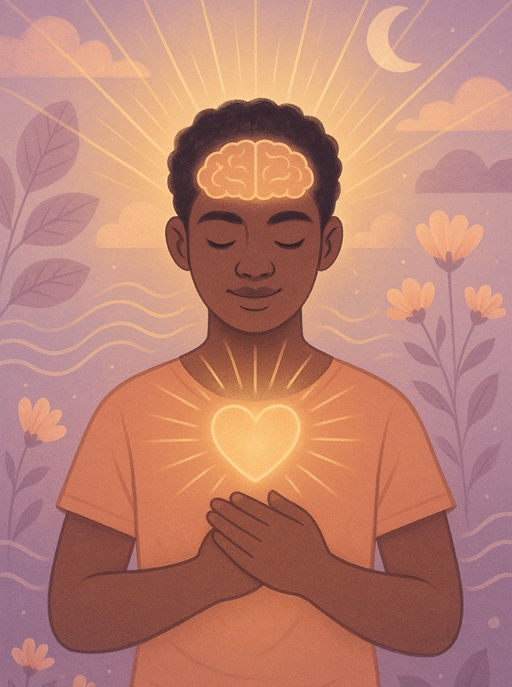
Backed by the foundational work of Dr. Elaine Aron and reinforced by recent research, such as Rajić's 2024 study on Sensory Processing Sensitivity (SPS) in adolescents, we now understand that approximately 15-20% of the population is biologically wired to be more responsive to subtle stimuli and deeply affected by their environments. This trait, while challenging in fast-paced and often insensitive cultural contexts, holds remarkable potential when supported appropriately.
Here are 10 mindset shifts and coping strategies that have helped me and many of my clients embrace the richness of the HSP experience.
1. Sensitivity is not fragility
Being highly sensitive doesn’t mean you're weak. It means your nervous system processes experiences more deeply. In fact, research shows HSPs often exhibit greater resilience when supported in the right environments (Rajić, 2024). Embrace the power behind your depth.
2. Overstimulation is a signal, not a failure
When you're overwhelmed, it doesn't mean you're broken, it means your body and brain are signaling a need for recalibration. Mindfully listen to those cues and take restorative action without guilt.
3. Boundaries are your superpower
Learning to say "no" isn't rejection, it's protection. Boundaries aren't just helpful for HSPs; they're essential. Create rituals of pause before committing to events, especially those in overstimulating environments.
4. Curate your inputs
HSPs absorb emotional content like sponges. Curate your media intake, social media feeds, and even your relationships with intention. Follow joy, not noise.
5. Your emotional depth is a leadership skill
High emotional intelligence, common among HSPs, enhances your ability to lead with empathy and insight. Companies and communities increasingly recognize EQ as a key success trait.
6. Rest is revolutionary
Your need for downtime isn't laziness, it's a neurological necessity. Build recovery space into your daily schedule. Think of it as a power charge, not a break.
7. Reframe sensory sensitivity as a sensory gift
Whether it's noticing subtle shifts in tone or appreciating the nuances of music and art, your sensory sensitivity brings richness. Lean into it with curiosity rather than shame.
8. Community is key
Isolation intensifies the challenges of being an HSP. Join communities online or in person, where sensitivity is seen as a strength. Spaces like Highly Sensitive Refuge or Elaine Aron's HSP network can offer grounding.
9. Practice inner parenting
Soothing your inner child when the world feels too loud can be a radical act of self-compassion. Develop a gentle internal voice that nurtures rather than criticizes.
10. Advocate for your needs boldly
Whether in professional or personal spaces, self-advocacy is vital. The more we normalize honoring neurodiverse needs, the more inclusive our world becomes for everyone.
Being an HSP isn’t something to "fix." It’s a gift to be honored. When supported, sensitive individuals have the potential to be some of the most compassionate, creative, and intuitive leaders in any space. The key lies not in changing who we are, but in creating environments where our nervous systems can thrive.
Let this be your invitation to honor your sensitivity, out loud and unapologetically.
Read more from David De La Fuente
David De La Fuente, Queer Latinx Author & Certified Sexologist
David De La Fuente is a queer Latinx author, certified sexologist, and retired U.S. Navy Chief with 22 years of service. Currently earning his Master’s in Education, he writes to inspire transformation through emotional intelligence, intimacy, and identity. His platform, David’s Fountain of Thought/Radiant Minds, blends professional insight with authentic storytelling to empower both readers and clinicians to lead with clarity and compassion.