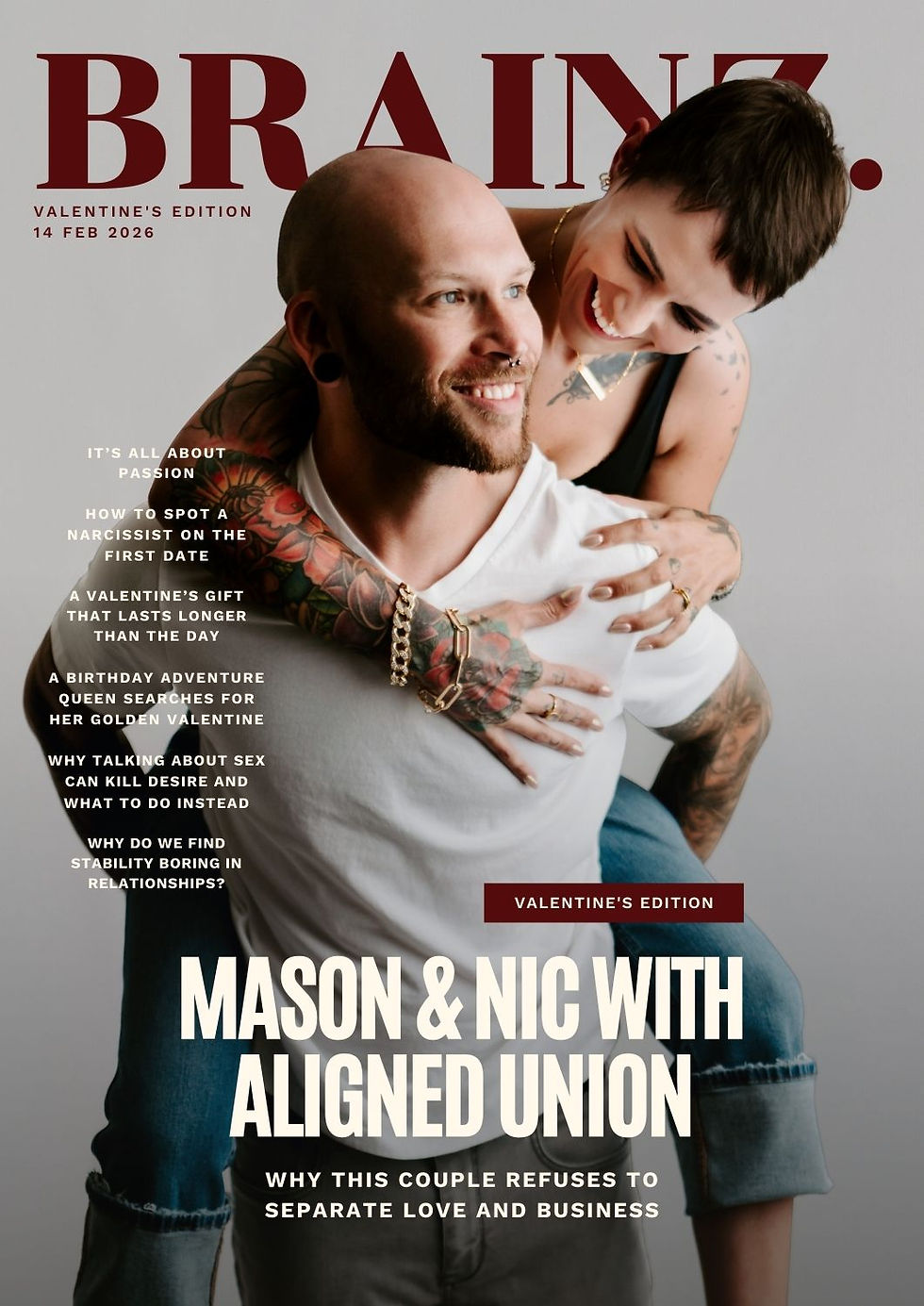
Press release guidelines
Press releases are powerful tools for sharing your news and gaining visibility. This guide is here to help you craft professional, impactful press releases that meet our submission standards. From writing attention-grabbing headlines to structuring your content effectively, we’ll guide you through every step of the process. Following these guidelines not only ensures your release is polished and professional but also increases the likelihood of it standing out. Whether you're announcing a product launch, event, or company milestone, this guide will help you present your story with clarity and impact.
1. Start with a compelling headline
Your headline is the first impression of your press release, and it can determine whether it gets read or ignored. Keep it short, clear, and engaging—ideally no more than 10-12 words. A great headline gives readers a sense of what the news is about while sparking curiosity. Avoid jargon or technical terms that may alienate your audience. Instead, focus on making it accessible to a wide range of readers, including journalists and the general public. Think of your headline as the "hook" that draws people in.
Example:
Instead of writing, "Company X Unveils Next-Generation AI Integration Technology for SMEs," you might write, "Tech Startup Launches AI Tool to Help Small Businesses Save Time." A compelling headline emphasizes the benefits or impact of the announcement rather than technical specifics.
2. Answer the “5 Ws” in the lead paragraph
The lead paragraph is the most crucial part of your press release—it sets the tone and delivers the core message. To make it effective, include answers to the fundamental questions of your story:
-
Who is making the announcement? This identifies the organization.
-
What is the news? Clearly state what is being announced.
-
When is it happening? Provide the date or time frame for your announcement.
-
Where is it taking place? Specify the location.
-
Why should anyone care? Explain the significance of the news.
Example:
"Today, [Company X] announced the launch of its new AI-driven scheduling platform, designed to help small businesses reduce administrative overhead by up to 30%. The platform will be available starting [date] across North America and Europe, making it accessible to businesses seeking to streamline operations. With small business owners often struggling to manage time efficiently, this tool addresses a common challenge by automating key tasks, saving both time and money."
This paragraph should function as a standalone summary of the press release. By addressing the 5 Ws directly, you ensure that readers quickly grasp the full scope of the announcement. Even if they only read the lead paragraph, they’ll have all the essential details.
3. Use quotes strategically
Including quotes adds personality and credibility to your press release. These should come from relevant stakeholders such as the CEO, product manager, or an industry expert. A good quote explains why the news is significant and provides a unique perspective that can't be conveyed through factual details alone.
Example:
"This platform isn’t just a tool; it’s a solution to a common pain point for small business owners," said Jane Doe, CEO of [Company X]. "We’re proud to empower them with technology that simplifies their daily operations."
Make sure your quotes feel natural and conversational—avoid dry, corporate language or repetition of information already mentioned. A well-placed quote can also make your press release more appealing, as it provides ready-to-use content for their stories.
4. Stick to the facts
A press release is not the place for exaggeration or marketing fluff. Stick to factual, verifiable information, and present it clearly. Avoid phrases like “industry-leading” or “world’s best” unless you can back these claims with specific evidence, such as independent studies or awards. Whenever possible, include data or statistics to reinforce your points.
Example:
"According to a recent study, small businesses spend an average of 120 hours per year on manual scheduling tasks. Our tool aims to cut this by half, saving both time and money."
By focusing on hard facts, you build trust with your audience.
5. Keep it brief
While it’s tempting to include every detail about your announcement, brevity is key. Focus only on the most important points: what’s new, why it matters, and who it impacts. Save background details or extended descriptions for follow-up materials, like a media kit or a landing page linked in the release.
6. Follow a logical structure
A press release should flow naturally, leading the reader from one section to the next. Start with a strong headline and follow this with your lead paragraph summarizing the announcement. The body should expand on the details, providing context, supporting data, and quotes. Finally, close with a call-to-action or a forward-looking statement that highlights what happens next.
Example:
"The platform will officially launch on [date], and businesses can sign up for early access at [website]."
7. Include boilerplate information
The boilerplate is a standardized paragraph that appears at the end of your press release, offering a brief overview of your organization. This is your chance to reinforce your credibility and provide context for readers unfamiliar with your company. Avoid making the boilerplate too lengthy; 2-3 sentences are sufficient. If your organization has received notable awards or achieved significant milestones, this is the place to mention them.
Example:
"[Company X] is a leading provider of innovative technology solutions for small businesses. Founded in [year], the company has served over [number] customers globally, helping them streamline operations and improve efficiency."
8. Include clear contact information
Make it easy for journalists and other interested parties to reach you for follow-up questions or additional information. Include the name, title, phone number, and email address of a dedicated media contact person. Additionally, provide a link to your website or a specific landing page where readers can learn more about the announcement.
Example:
Media Contact:
John Smith
Public Relations Manager
555-123-4567
j.smith@companyx.com
www.companyx.com
9. Use proper formatting
Proper formatting ensures that your press release is easy to read and looks professional. Avoid excessive use of bold, italics, or underlining, as these can distract from the content.
Write in the third person, maintaining a neutral and professional tone throughout the release. Avoid using "I" or "we," and focus on presenting the information from an objective perspective. While it’s important to be engaging, prioritize credibility and steer clear of overly promotional language.
10. Proofread before submitting
A single typo or factual error can undermine the professionalism of your press release and reflect poorly on your organization. Before submitting your press release to us, carefully proofread the document multiple times. Consider having someone else review it for clarity, grammar, and accuracy. Double-check all names, dates, and data points to ensure they are correct. A polished, error-free press release ensures your submission is professional and ready for processing.
11. Download template
We provide customizable press release templates to make your writing process easier. All templates includes pre-formatted sections for your headline, lead paragraph, quotes, and boilerplate, ensuring a professional and organized release. Simply download, fill in your details, and tailor it to your announcement for a polished result.