Why Strengths Use Is Key To Improving Self-Belief
Written by: Trudy Bateman, Executive Contributor
Executive Contributors at Brainz Magazine are handpicked and invited to contribute because of their knowledge and valuable insight within their area of expertise.

Having self-belief is critical to our success in life and to support our well-being and mental health from the decisions we make, applying for a new job, or having the confidence to ask a new love interest out on a date. However, strengths profile data tells us that, globally, it is one of our top weaknesses, with 27% of people rating themselves as lacking in self-belief.
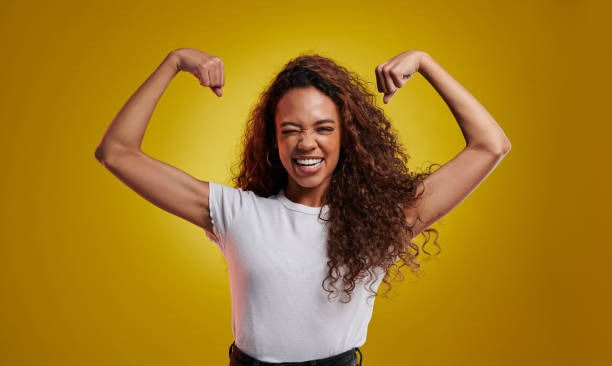
This story is pretty consistent, unfortunately, and not something we can blame Covid-19 for. However, our strengths, ironically, can play a huge role in helping to raise our self-belief because when we use our strengths, we are doing something we are good at, as well as enjoy. Using our strengths also helps our self-belief by:
Improving in confidence
Strengths are the things we are naturally good at and love to do. So, when we use our strengths to complete a task, we increase our performance and ultimately do a great job. Others notice when we do a great job, and they tell us and ask us to do more of it, thereby increasing our confidence.
Being more likely to achieve our goals
Success is more likely when we align our strengths with the things we want to achieve. We know our Organiser strength will always keep us on track, but now we know we have Enabler and Creativity as strengths also, we may find a better or more enjoyable way to achieve our goals.
Growing and developing ourselves better
If you set yourself a challenge outside of your comfort zone but that sits within your top strengths, just watch you succeed. By aligning your strengths with what you want to achieve, you will find a way to grow personally and professionally.
Experiencing less stress and improving our well-being and mental health
Challenges are easier to deal with when we know how we can apply our strengths to overcome them.
Start your day strong by focusing on your Strengths Profile while commuting or connecting with others. By finding ways to use your strengths every day, you will soon develop the confidence to believe that you can achieve your goals and, in doing so, improve your levels of self-belief.
If you would like to find out more about your strengths, why not take a free Starter Strengths Profile assessment? You can also upgrade to discover more tips for using your hidden or unrealised strengths to reach your potential, as well as making full use of the strengths career guide with our Introductory Profile.
Trudy Bateman, Executive Contributor Brainz Magazine
Trudy Bateman is an expert in strengths and their applications. As Director of Strengths Profile, Trudy works with coaches, organizations, and universities to help them understand the strengths of their people, so they can develop them – ensuring not just a successful career, but one they love. Having led the team responsible for the implementation of successful product strategy and delivery of strengths-based assessments for over 13 years, Trudy has delivered thousands of strengths solutions through coaching, facilitating, and consulting, including the accreditation of over 3,000 Strengths Profile practitioners. She is a key speaker, author of The Strengths Profile Book, and resident expert in strengths.