Why Pretty Branding is Not Enough to Grow a Business – An Interview with Michelle Lawrence
Michelle Lawrence is the Founder and CEO of Elevate Collective, a strategy-first branding and web design studio dedicated to helping women-led businesses build brands that drive sustainable growth without burnout. With more than 15 years of experience in corporate marketing, branding, customer experience, and digital strategy, she combines big-brand thinking with practical, actionable strategies that empower entrepreneurs to build businesses with clarity and confidence.
In this interview, Michelle shares why strategy should always come before aesthetics, the biggest mistakes she sees entrepreneurs making with their brands and websites, and how clarity, authentic messaging, and intentional systems can transform visibility into sustainable business growth.
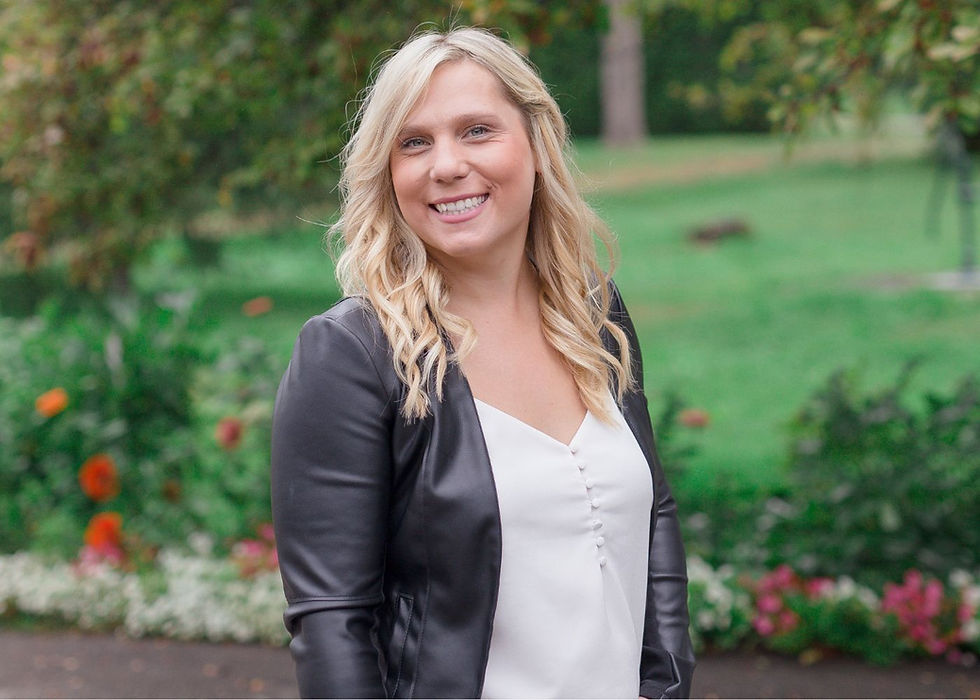
Michelle Lawrence, CEO & Founder of Elevate Collective
Can you walk us through how Elevate Collective helps women-led businesses turn their brand aesthetics into sustainable growth?
I often tell clients that branding isn't about choosing colours or designing a beautiful logo, it's about creating an experience that makes people feel something. When your audience feels understood, they begin to trust you, and trust is what drives people to buy.
At Elevate Collective, we start with strategy long before we ever open a design program. Through my Beyond the Brand framework, I help founders uncover their vision, values, positioning, messaging, and ideal client before we discuss fonts or colour palettes. I've found that most female founders don't actually have a website problem, they have a clarity problem. They're trying to speak to everyone, which means they're not connecting with anyone.
Once that clarity is in place, every business decision becomes easier. Their messaging resonates, their website guides visitors naturally toward action, and their brand begins attracting the right clients instead of simply generating traffic. A beautiful website might capture someone's attention, but strategic branding builds trust. Trusted brands are the ones that create sustainable, measurable growth.
How did your corporate marketing experience shape your approach to strategic brand design for founders?
Spending more than 13 years in corporate marketing completely changed how I approach branding today. Working on national campaigns taught me that successful brands rarely start by asking, "What should this look like?" They start by asking, "Who are we speaking to, what problem are we solving, and how will we measure success?"
Large organizations invest heavily in customer research, audience insights, focus groups, data, and customer journey mapping before launching a campaign. Small businesses don't have those resources, but they can adopt the same strategic thinking.
That's the biggest lesson I brought into Elevate Collective. Before we design anything, we define the ideal client, uncover their pain points, clarify the business goals, and map the customer journey. Every design decision should support a measurable business outcome, not just what the founder likes.
Most founders think they need a new website. What they actually need is clarity. Once you understand who you're speaking to and why they should choose you, the website simply becomes the tool that communicates that strategy.
What are the most common clarity gaps you see that prevent websites from converting visitors into clients?
The biggest reason websites don't convert isn't because of bad design, it's because of unclear messaging.
Within the first few seconds, visitors should understand exactly what you do, who you help, the transformation you provide, and what they should do next. Instead, I often see websites with confusing navigation, generic headlines, too much copy, and messaging that's focused on the business rather than the client.
One of the biggest mistakes founders make is trying to appeal to everyone. When you speak to everyone, no one feels like you're speaking directly to them.
Another misconception is that more traffic will solve the problem. I hear it all the time: "I just need better SEO." But if your website isn't converting the visitors you already have, sending more people to it won't fix the issue.
The first thing I usually recommend is rewriting the homepage, especially the section above the fold. Your homepage has one job: help the right visitor immediately recognize they're in the right place.
How do you see the current obsession with "pretty branding" affecting women entrepreneurs' business growth?
I think social media has unintentionally convinced many entrepreneurs that branding is about aesthetics first and strategy second. We see beautifully curated Instagram feeds, trendy colour palettes, and constant rebrands, and it's easy to believe that's what creates success.
The reality is very different. Many female founders are comparing themselves to six and seven-figure businesses that have entire marketing teams, customer research, analytics, and months of strategy behind every launch. What we see online is the polished final product, not the data, testing, positioning, and customer research that made it successful.
Pretty branding gets attention. Strategic branding gets results. I've seen founders invest thousands in a rebrand when what they really needed was clearer messaging and stronger positioning. Changing your colours every year won't grow your business if your audience still doesn't understand why they should choose you. Beautiful design absolutely matters, but aesthetics should support strategy, not replace it.
What practical steps do you guide founders to take to align their website and brand strategy with revenue goals?
Every project starts with the business, not the website. Before we discuss design, I ask questions like: What are your offers? Who is your ideal client? Where do you want your business to be in six months and three years? What is the purpose of your website? Is it generating more leads, booking discovery calls, selling products, or building authority?
Those answers shape every strategic decision that follows. A website shouldn't be designed around what the founder likes. It should be designed around how the customer makes buying decisions.
That means refining positioning, simplifying messaging, creating a clear customer journey, and making every call-to-action intentional. Every page should have a purpose, and every element should move visitors one step closer to taking action.
When founders begin with measurable business goals instead of aesthetic preferences, success becomes much easier to evaluate. Design stops being subjective and becomes a strategic tool that supports business growth.
Can you share a specific example where refining client journeys significantly improved conversions for a business?
One of my favourite examples is a therapist who came to me because she wasn't getting enough inquiries. Like many service providers, she assumed the problem was her website.
As we worked through the strategy process, we discovered the real issue wasn't the website itself, it was the messaging. Her homepage contained a lot of generic, clinical copy that didn't help visitors feel understood. She was speaking broadly instead of directly to the clients she most wanted to serve.
Together, we refined her positioning, simplified her services, shifted the tone to feel more authentic and approachable, strengthened her calls-to-action, and created a navigation experience that made it easier for visitors to find exactly what they needed.
Her expertise never changed. What changed was how clearly she communicated it. The result wasn't just more inquiries, it was faster buying decisions. Visitors quickly recognized they were in the right place, understood the value she offered, and felt confident taking the next step.
How do you help founders build scalable systems that support growth without creating burnout?
Burnout often isn't caused by working hard, it's caused by making too many decisions every single day. I see founders constantly reinventing their brand, manually completing repetitive tasks, and attracting clients who aren't the right fit because their positioning isn't clear.
One of the best ways to reduce that pressure is by building systems that create consistency. That includes brand guidelines, content templates, SOPs, client workflows, and automations that eliminate repetitive work and improve the client experience.
I don't build systems so founders can work more. I build them so they can step into the role of CEO instead of being an employee in their own business.
When systems are in place, founders spend less time recreating the wheel and more time leading their business, building meaningful relationships, serving clients, and creating the life they started their business for in the first place. That's what sustainable growth looks like.
What personal philosophy guides your approach when blending aesthetics with strategic business outcomes?
At the heart of everything I do is one belief: businesses grow when founders stop pretending to be someone they're not.
I think many women feel pressure to sound more professional, follow every trend, or build a brand that looks like someone else's success. But the brands people remember aren't the ones that look the same, they're the ones that make people feel something.
People buy from people they trust, and trust is built through authenticity. Authenticity isn't about sharing every detail of your personal life. It's about having the confidence to communicate your expertise, values, and personality in a way that feels genuine.
That's why strategy always comes before aesthetics. A beautiful brand without authenticity may attract attention, but it won't build lasting relationships.
When founders embrace who they are instead of who they think they should be, their marketing becomes more natural, their messaging becomes more compelling, and they attract clients who genuinely connect with their business, making everything easier.
If you could leave one piece of advice for women entrepreneurs about turning visibility into sustainable growth, what would it be?
Stop chasing every trend and start building trust. I see too many entrepreneurs trying to be everywhere at once, posting on every platform, constantly changing their messaging, or reinventing their brand every few months because they think visibility alone creates growth.
It doesn't. Trust is built through consistency. Choose a few marketing channels you genuinely enjoy, show up consistently, and speak directly to the people you want to serve. Focus less on sounding impressive and more on helping your audience feel understood. Talk about their challenges, the outcomes they're looking for, and how your expertise can help them get there.
The businesses that create sustainable growth aren't necessarily the loudest or the trendiest. They're the ones that consistently show up with clarity, authenticity, and a message people can trust.
Visibility may get someone to notice your business, but trust is what turns attention into lasting growth.
Ready to build a brand that does more than just look good? If you're ready to gain clarity, attract the right clients, and create a website that supports your business goals, let's start the conversation. Visit here to learn more about Elevate Collective and discover how strategic branding can help you build a business that's authentic, profitable, and built for long-term growth.
Read more from Michelle Lawrence