Understanding Seasonal Depression – Neurobiological Insights And Practical Recommendations
Updated: Oct 15, 2024
Kalliopi Mantzavinou is the founder of BetterPsychology. Her work bridges mental health and neurobiology, focusing on the complex challenges faced by individuals with emotional difficulties, neurological disorders, and chronic illnesses, particularly cancer, aiming to improve their overall well-being and quality of life.

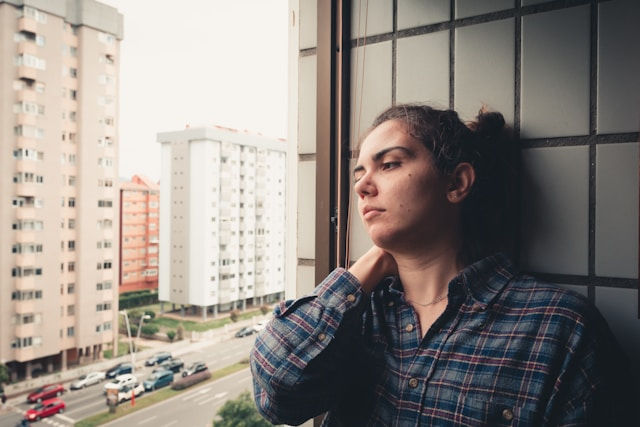
As the days grow shorter and the weather colder, a significant portion of the population experiences more than just a dip in mood. Known as Seasonal Affective Disorder (SAD), this condition is a form of depression that follows a seasonal pattern that begins and ends at about the same times every year, typically emerging during the fall and winter months when sunlight is reduced. While many might feel a bit of “winter blues,” SAD is a serious condition that can severely impact daily functioning and overall well-being.
What is Seasonal Affective Disorder (SAD)?
Seasonal Affective Disorder is a type of recurrent major depressive disorder that occurs at a specific time of the year. In the Diagnostic and Statistical Manual of Mental Disorders (DSM-5-TR), this disorder is identified as a type of depression–major depressive disorder with seasonal patterns. In most cases, symptoms appear in late autumn or early winter and recede during the spring or summer. A smaller proportion of individuals might experience SAD during the summer months, though winter-pattern SAD is more prevalent. Symptoms can range from mild to severe and include:
Persistent sadness or depressed mood
Decreased energy, fatigue, or feeling slowed down
Difficulty concentrating
Sleep disturbances, often hypersomnia (sleeping too much)
Increased appetite, especially for carbohydrates, often leads to weight gain
Social withdrawal and loss of interest in usual activities
Feelings of hopelessness or worthlessness
Neurobiological changes in the brain
SAD is closely tied to changes in light exposure, which influences neurobiological systems in the brain. The most well-studied mechanisms involve disturbances in three key areas:
1. Circadian rhythm dysregulation
What we call the brain’s internal clock, which is governed by light exposure and regulates sleep-wake cycles and various biological functions. During the winter months, reduced sunlight can disrupt this rhythm, leading to sleep disturbances, fatigue, and mood swings. The suprachiasmatic nucleus (SCN) in the hypothalamus, responsible for regulating circadian rhythms, may become misaligned, contributing to the symptoms of SAD.
2. Serotonin deficiency
Serotonin, a neurotransmitter that regulates mood, is significantly affected by light exposure. Studies have shown that during darker months, serotonin production drops. Reduced sunlight may also lead to reduced serotonin activity in the brain, which has been linked to depression. Neuroimaging studies reveal lower serotonin transporter binding during the winter in individuals with SAD, suggesting impaired serotonin signaling.
3. Melatonin overproduction
Melatonin, the hormone responsible for regulating sleep, is produced in greater amounts in darkness. During winter, longer nights and limited sun exposure trigger increased melatonin production, leading to excessive sleepiness and fatigue. Individuals with SAD often have heightened melatonin levels, further compounding their symptoms.
Populations at higher risk
SAD affects approximately 1-3% of the general population, with up to 10-20% of individuals experiencing milder “subsyndromal” symptoms often referred to as the “winter blues”. While anyone can develop SAD, certain populations are more susceptible:
Geographic location: People living in northern latitudes are more likely to experience SAD due to reduced daylight exposure during the winter months. In Scandinavian countries, for instance, the prevalence of SAD can be as high as 10%, compared to just 1-2% in more temperate regions.
Gender: Women are about four times more likely to suffer from SAD than men. However, when men do experience it, their symptoms tend to be more severe.
Age: SAD often starts during adulthood. The risk of SAD seems to increase with age and it is more uncommon in people younger than age 20. Children and adolescents are also at risk, though the condition may be underdiagnosed in these groups.
Family history: A family history of depression or other mood disorders increases the likelihood of developing SAD.
Mental health conditions: Individuals with pre-existing depression, bipolar disorder, or anxiety disorders may be more vulnerable to seasonal changes in mood.
Dealing with seasonal affective disorder: Recommendations
While SAD can be a debilitating condition, various strategies can help mitigate its effects. Here are detailed recommendations:
1. Light therapy
Light therapy, or phototherapy, is the frontline treatment for SAD. Using a lightbox that emits 10,000 lux of light for 20-30 minutes each morning can simulate the sunlight that is lacking during the winter months. This helps regulate circadian rhythms and boosts serotonin production. It’s crucial to start light therapy early in the season, before symptoms fully develop, and to continue it throughout the darker months.
2. Maximize natural light
As the days become shorter, your sleep and waking cycles may become disrupted. The lack of sunlight means your brain produces more of a hormone called melatonin, which makes you sleepy.
Open your blinds or curtains as soon as you get up to let more sunlight into your home, and get outdoors in natural daylight as much as possible. Try to take even just a brief lunchtime walk, and make sure your work and home environments are as light and airy as possible.
3. Exercise
Regular physical activity can significantly improve mood and reduce SAD symptoms. Exercise boosts serotonin and endorphin levels, improving mood and energy. Outdoor activities during daylight hours, such as walking or jogging, are especially beneficial, as they combine movement with natural light exposure.
4. Diet and nutrition
Eating a balanced diet rich in fruits, vegetables, and lean proteins can help maintain energy levels and mood. Carbohydrate cravings are common in SAD, but managing sugar intake and focusing on whole grains can prevent energy crashes. Omega-3 fatty acids, found in fish like salmon and supplements, have also been linked to improved mood and brain health.
5. Sleep hygiene
Maintaining a regular sleep schedule is crucial for individuals with SAD. Avoid oversleeping, as excessive sleep can exacerbate feelings of lethargy. Creating a consistent bedtime routine and limiting naps can help regulate circadian rhythms.
6. Vitamin D supplementation
Vitamin D deficiency has been linked to SAD, as reduced sunlight during the winter months leads to lower levels of this crucial vitamin. Supplementing with vitamin D can help mitigate some symptoms, particularly for those living in regions with little winter sun.
7. Social support
Engaging with friends, family, or support groups can help counteract the social withdrawal often seen in SAD. Participating in activities and staying connected, even when the inclination is to isolate, can provide emotional support and reduce feelings of loneliness.
8. Cognitive behavioral therapy (CBT):
CBT is an effective treatment for SAD, particularly when combined with light therapy. This form of therapy helps individuals reframe negative thoughts and behaviors associated with their depression. CBT also addresses the behavioral withdrawal that often accompanies SAD, encouraging engagement in pleasurable activities even when motivation is low.
Conclusion
Seasonal Affective Disorder is a complex, neurobiologically-driven condition that can significantly impact the quality of life. Understanding the brain mechanisms behind SAD, such as serotonin deficiency and circadian rhythm disruptions, helps us better appreciate the condition’s serious nature. By employing a combination of light therapy, psychotherapy, lifestyle changes, and, in some cases, medication, individuals with SAD can navigate the challenges of winter with more resilience and hope.
If you or someone you know is struggling with symptoms of SAD, seeking professional help is essential. Early intervention can prevent the worsening of symptoms and help maintain a higher quality of life year-round.
Read more from Kalliopi Mantzavinou
Kalliopi Mantzavinou, Psychologist-Neuropsychologist-CRC
Kalliopi Mantzavinou, with professional experience in the US and Greece, specializes in helping people with disabilities, neurological disorders, and mental health issues. Watching her grandma struggle with Alzheimer's disease sparked in her a deep desire to understand the human mind and its vulnerabilities. This experience led her to pursue a degree in psychology with expertise in neuropsychology, driven by a passion for rehabilitation and commitment to helping others navigate similar challenges. Today, she works at the Cancer Foundation in Luxembourg, finding fulfillment in supporting patients with cancer and their families through some of their most difficult moments, hoping to make a meaningful difference in their lives.