The Role of Self-Compassion in Healing Good Girl Syndrome
Empowerment Coach and founder of Own Your Life, Julie Vander Meulen pioneers in researching and applying personal development strategies to help ambitious women overcome the good girl syndrome and become the powerful individuals they were always meant to be.

If you have ever felt like being the good girl meant ignoring your needs, hiding your struggles, or constantly striving to do more, you are not alone. This article explores how self-compassion is the missing piece in healing from Good Girl Syndrome. It invites you to replace pressure with kindness and rediscover your power through gentleness.
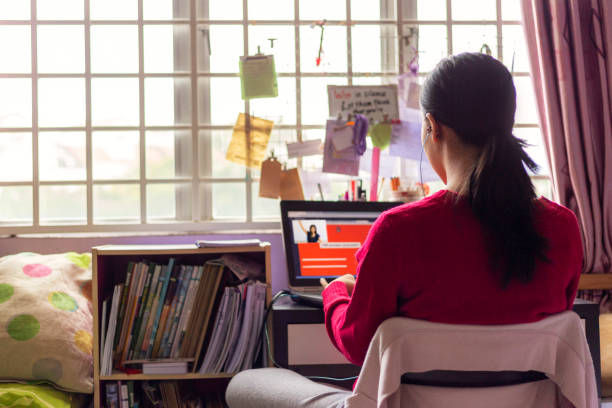
If you’ve ever said to yourself:
“I should have done more.”
“Why can’t I just be better at this?”
“I don’t want to be dramatic—I’ll just push through.”
...then congratulations: you’ve met the inner voice of Good Girl Syndrome.
She’s relentless. She’s polished. She keeps you going, smiling, achieving—even when you're quietly falling apart.
But here's the truth: You don’t need more grit. You need more grace.
And the most underrated way to heal from Good Girl Syndrome isn’t through pushing harder or achieving more—it’s through radical self-compassion.
Why good girls struggle to be kind to themselves
Good Girl Conditioning teaches women to be kind to everyone but themselves.
You were taught to:
Be considerate of others’ feelings, but dismiss your own.
Extend compassion to friends in pain, but shame yourself for struggling.
Support others’ needs, but ignore your own unless they were “productive” or “deserved.”
So when self-compassion comes up, it can feel... weak. Lazy. Indulgent. Especially if you pride yourself on being resilient and high-performing.
But here’s the hard truth: Relentlessness does not equal resilience. And self-abandonment isn’t a sign of strength.
What self-compassion actually is (hint: it’s not letting yourself off the hook)
Let’s clear something up: Self-compassion isn’t about making excuses or opting out. It’s not a spa day or a treat (though those can be lovely too).
Self-compassion is a fierce commitment to your own humanity.
It means:
Speaking to yourself like someone you deeply love.
Allowing imperfection without spiraling into shame.
Being honest about your pain—without minimizing, bypassing, or gaslighting yourself.
It’s emotional self-leadership. And for women unlearning decades of Good Girl rules, it’s an act of revolution.
How self-compassion begins to unravel good girl syndrome
When you practice self-compassion, the entire system of Good Girl Syndrome starts to collapse.
Why?
Because Good Girl Syndrome thrives on shame, guilt, and internalized pressure. Self-compassion interrupts that cycle.
Here’s what shifts:
You stop beating yourself up for needing rest.
You release the guilt of saying no or setting boundaries.
You recognize that struggling doesn’t mean you’re failing—it means you’re healing.
You treat yourself like a human, not a project.
And from that tenderness... your real power begins to emerge.
Power moves to cultivate self-compassion now
Let’s put it into practice. Here are three ways to start creating a kinder relationship with yourself today:
The mirror talk ritual - Each night, look yourself in the eyes and say: “I see how hard you tried today. You did enough. You are enough.” Repeat until your body softens.
The “would I say this to her?” rule - When your inner critic gets loud, ask: Would I say this to my best friend if she were in the same situation? If not, rewrite the thought with gentleness and truth.
The sacred reset - Pick one moment this week to pause and do absolutely nothing. Not because you’ve earned it. But because you exist. That’s enough in itself.
You were never meant to be hard on yourself – You were meant to be home to yourself
You’re not behind. You’re not broken. You’re not too sensitive, too dramatic, or too emotional.
You’re just tired of being a good girl in a world that doesn’t reward softness.
But here’s the secret: Softness is your superpower. Self-compassion is how you reclaim it.
Ready to heal from the inside out?
If this article landed in your heart like a soft exhale, let’s keep the healing going. Here are 3 loving next steps:
Join the Sunday Sanctuary Newsletter - Each week, you’ll receive a warm, loving letter from me straight to your inbox—a gentle reminder of your worth, your truth, and your power. It’s free and full of soul. Sign up here.
Take the Free Good Girl Syndrome Quiz - Curious how deeply GGS is playing out in your life? This 5-minute quiz gives you insight into your patterns (and your path forward). Take it here.
Book a Free Meet & Greet With Me - If you’re ready to finally stop being so hard on yourself and start reclaiming your peace, let’s talk. I offer free Meet & Greet sessions to explore how coaching can support your journey. Book here.
Julie Vander Meulen, Empowerment Coach for Ambitious Women
Julie Vander Meulen is an Empowerment Coach for ambitious women and the visionary founder of Own Your Life Academy, a premier coaching platform dedicated to personal and professional development. Through her innovative research and holistic coaching strategies, Julie specializes in guiding women to break free from the 'good girl syndrome,' empowering them to claim their worth and step into their power. Her work is rooted in the belief that every woman has an inner powerhouse waiting to be unleashed. With a vibrant community and a track record of transformative coaching experiences, Julie's mission is to inspire women worldwide to embrace their true selves and create lives they love.