

The Power of the Subconscious Mind and 15 Practical Ways to Reprogram It
Updated: Jul 30
Aide Roxanna Reyes is a Licensed Mental Health Clinician, LMHC-D, MSEd. She is the Founder and CEO of Mental Health Counselor Aide Reyes, LLC. Aide Roxanna Reyes is the author of the book "I Am Who I Think I Am" and the host of the podcast Mental Health Counselor Aide Reyes.

The subconscious mind influences beliefs, emotions, habits, behaviors, and mental health outcomes. As a Licensed Mental Health Counselor, one of the most common questions I hear from clients is, “Why do I keep repeating the same patterns even when I want to change?”

Many individuals struggle with anxiety, low self-esteem, self-doubt, perfectionism, unhealthy relationships, emotional distress, and self-sabotaging behaviors despite genuinely wanting a different outcome. They read books, attend workshops, set goals, and make promises to themselves, yet often find themselves returning to familiar emotional and behavioral patterns. The answer is often found beneath conscious awareness. While most people focus on changing behaviors, true transformation frequently requires addressing the subconscious beliefs driving those behaviors. The subconscious mind functions like an internal operating system. It stores beliefs, emotional memories, habits, experiences, and learned patterns that influence how individuals think, feel, and behave. These internal programs often operate automatically, outside conscious awareness.
From a mental health perspective, understanding the subconscious mind is essential because it plays a significant role in emotional wellness, self-esteem, resilience, coping abilities, relationships, and overall psychological functioning. When subconscious beliefs are healthy and empowering, they support confidence, emotional regulation, and personal growth. However, when they are rooted in fear, shame, criticism, rejection, trauma, or limiting beliefs, they can contribute to anxiety, depression, chronic stress, and emotional suffering. Healing often begins when individuals become aware of the subconscious narratives influencing their lives and intentionally replace them with healthier, more adaptive beliefs.
What is the subconscious mind?
The subconscious mind stores learned beliefs, habits, emotional experiences, and automatic responses. It refers to the portion of mental processing that operates below conscious awareness. Unlike the conscious mind, which is responsible for logic, decision making, and analytical thinking, the subconscious mind continuously processes information automatically.
The subconscious mind stores learned beliefs, habits, emotional experiences, long-term memories, automatic responses, self-image, personal identity, relationship patterns, and emotional triggers. Think of the subconscious mind as the foundation of a house. Most people notice the visible structure above ground, yet the stability of the house depends upon what lies underneath.
Similarly, individuals often focus on visible behaviors without recognizing the subconscious beliefs supporting those behaviors. For example, a person may consciously desire a healthy relationship while subconsciously believing, “I am not worthy of love.” A person may want career success while subconsciously believing, “I am not capable.” A person may desire confidence while subconsciously believing, “I am not good enough.” These hidden beliefs often create internal resistance that interferes with personal growth and emotional well-being. The subconscious mind learns through repetition, emotional experiences, and conditioning. Over time, repeated thoughts and experiences become familiar mental programs that influence daily life.
Conscious, subconscious, and unconscious
mind
These three levels of mental processing influence perception, behavior, and emotional wellness. Understanding the three levels of mental processing helps explain why change sometimes feels difficult.
The conscious mind
The conscious mind represents active awareness. It is responsible for logic, critical thinking, planning, reasoning, decision making, and goal setting. Examples include, “I want to lose weight,” “I want to feel more confident,” “I want healthier relationships,” and “I want to stop overthinking.” The conscious mind sets intentions and goals. However, it represents only a small percentage of overall mental processing.
The subconscious mind
The subconscious mind stores beliefs, habits, conditioning, emotional memories, and learned behaviors. It operates automatically and influences daily decisions without requiring conscious effort. Many of the behaviors individuals engage in every day are driven by subconscious programming. Examples include automatic emotional reactions, relationship choices, self-talk patterns, habitual behaviors, and self-esteem beliefs. The subconscious mind often accepts repeated messages as truth. This is why the words individuals repeatedly tell themselves matter.
The unconscious mind
The unconscious mind contains deeper psychological processes, including survival instincts, automatic bodily functions, primitive emotional responses, repressed memories, and deep emotional material.
From a trauma informed perspective, unconscious processes can influence emotional reactions even when individuals do not consciously understand why they are reacting. This helps explain why trauma survivors may experience strong emotional responses to situations that appear harmless to others. The nervous system remembers experiences even when the conscious mind cannot fully recall them.
Neuroscience and neuroplasticity
The brain can change throughout life through neuroplasticity, allowing healthier beliefs and habits to develop. Modern neuroscience has transformed our understanding of how the brain learns, adapts, and changes. For decades, researchers believed the brain became relatively fixed after childhood. Today, neuroscience has demonstrated that the brain remains adaptable throughout life through a process known as neuroplasticity.
Neuroplasticity refers to the brain’s ability to create new neural pathways, strengthen existing pathways, adapt to new experiences, learn new behaviors, and modify thought patterns. This discovery is profoundly hopeful from a mental health perspective. It means that individuals are not permanently defined by past experiences, unhealthy habits, limiting beliefs, or emotional struggles. The brain can change. Healing is possible. Growth is possible. Transformation is possible.
Neural pathways and habit formation
Neural pathways function similarly to trails through a forest. The more frequently a trail is used, the more visible it becomes. Likewise, the more frequently a thought is repeated, the stronger the neural pathway becomes. For example, the repeated thought, “I always fail,” can, over time, cause the brain to begin strengthening neural pathways associated with failure. Eventually, the thought becomes automatic. Automatic thought becomes a belief. Belief influences emotions. Emotions influence behaviors. The behaviors reinforce the belief. This cycle can continue for years unless interrupted.
The encouraging reality is that healthier thoughts can also create stronger neural pathways. For example, the repeated thought, “I am capable of learning and growing,” with consistent repetition and evidence, can gradually become more automatic than negative ones. This principle forms the foundation of many evidence-based therapeutic approaches.
The reticular activating system (RAS)
The brain also contains a network called the reticular activating system (RAS). The RAS functions as a filter that helps determine which information receives attention. If someone believes, “I am a failure,” the brain often becomes more likely to notice evidence that supports that belief. Conversely, if someone develops the belief, “I am capable and resilient,” the brain becomes more likely to notice opportunities, strengths, and successes. This does not mean individuals should ignore reality. Rather, it highlights how beliefs influence perception.
Statistics and self-talk
Research supports the role of repeated thoughts and self-talk in shaping emotional and behavioral outcomes. Psychology and neuroscience research continue to demonstrate the significant influence of subconscious processes on human behavior. Research has shown that a substantial portion of daily mental processing occurs automatically outside conscious awareness. Repeated thoughts strengthen neural pathways through neuroplasticity. Negative self-talk has been associated with increased symptoms of anxiety, depression, and chronic stress.
Positive self-affirmation practices have been linked to improvements in resilience, emotional regulation, and self-worth. Cognitive restructuring interventions have demonstrated effectiveness in reducing emotional distress and improving psychological well-being.
Why self-talk matters
Many individuals underestimate the impact of internal dialogue. The brain is constantly listening to the messages individuals tell themselves. Consider the difference between “I am a failure” and “I made a mistake, but I can learn from it.” The first statement promotes shame. The second promotes growth.
Repeated self-talk gradually becomes subconscious programming. This is one reason why therapists often encourage clients to monitor their internal dialogue. The words individuals repeatedly use become familiar. What becomes familiar often becomes believed.
“The subconscious mind learns through repetition. The thoughts we repeatedly think, the words we repeatedly speak, and the beliefs we repeatedly reinforce often become the reality through which we view ourselves and the world. Therefore, we are co-creators in this world.” – Aide Roxanna Reyes, LMHC-D, MSEd
CBT and the subconscious mind
One of the most effective evidence-based approaches for addressing limiting beliefs is cognitive behavioral therapy (CBT). CBT helps identify automatic thoughts, challenge cognitive distortions, and develop healthier beliefs. CBT is based on the understanding that our thoughts influence our emotions, and our emotions influence our behaviors.
Many automatic thoughts originate from subconscious beliefs that have developed over time. These beliefs often operate beneath conscious awareness and can significantly influence how individuals perceive themselves, others, and the world around them. For example, a core belief such as “I am not good enough” may create the automatic thought, “I will probably fail.” This can lead to anxiety, avoidance, missed opportunities, and reinforcement of the original belief.
This cycle can continue for years unless the underlying belief is identified and challenged. CBT helps individuals recognize automatic thoughts, identify cognitive distortions, challenge inaccurate beliefs, replace negative self-talk, and develop healthier thinking patterns.
Common cognitive distortions
Common cognitive distortions include all-or-nothing thinking, such as “If I am not perfect, I am a failure”, catastrophizing, such as “Everything is going to go wrong”, mind reading, such as “They must think poorly of me”, personalization, such as “Everything is my fault”, and overgeneralization, such as “I failed once, therefore, I will always fail.”
As individuals learn to challenge distorted thinking, they create opportunities for healthier emotional responses and behavioral choices. Research has consistently demonstrated that CBT is effective in treating anxiety, depression, trauma-related symptoms, and self-esteem difficulties.
RTT and hypnotherapy
RTT and hypnotherapy explore subconscious beliefs and support emotional healing and personal growth. Rapid Transformational Therapy (RTT) and hypnotherapy focus on accessing the subconscious mind to identify and transform limiting beliefs.
Many subconscious beliefs originate during childhood, when individuals are highly impressionable. During these developmental years, children often interpret experiences without the cognitive maturity necessary to fully understand them. For example, a child who experiences repeated criticism may conclude, “I am not smart enough,” “I am not worthy,” or “I will never succeed.” These beliefs may continue influencing adulthood long after the original experiences have ended.
How RTT works
RTT integrates psychotherapy, cognitive reframing, neuroscience principles, guided relaxation, and subconscious exploration. The goal is to identify the origins of limiting beliefs and replace them with healthier, more adaptive perspectives.
Hypnotherapy and mental health
Hypnotherapy involves a focused state of attention and relaxation that can help individuals access deeper levels of awareness. Contrary to popular misconceptions, hypnotherapy is not mind control. Individuals remain aware and in control throughout the process.
Clinical hypnotherapy may help support anxiety reduction, confidence building, stress management, habit change, emotional healing, and self esteem improvement. When integrated with evidence based mental health treatment, hypnotherapy can be a valuable therapeutic tool.
“Many emotional struggles are not rooted in a lack of ability. They are rooted in subconscious beliefs that no longer serve us and must be changed to reprogram the subconscious mind.” – Aide Roxanna Reyes, LMHC, D, MSEd
Linguistics and internal dialogue
Language shapes perception, self concept, and emotional experiences. It is one of the most powerful influences on the subconscious mind.
The words individuals repeatedly use shape their perceptions, beliefs, expectations, and emotional experiences. The brain listens to the language individuals use, both externally and internally. Consider the difference between “I always mess everything up” and “I made a mistake, and I can learn from it.” The first statement reinforces shame, while the second reinforces growth.
The power of internal dialogue
Internal dialogue influences self esteem, confidence, motivation, resilience, and emotional regulation. When negative self talk becomes repetitive, it can become subconscious programming.
Examples include “I am not capable,” “I am a burden,” “I will never succeed,” and “Nobody cares about me.” Over time, these statements may become accepted as truth.
Reframing language
Instead of saying, “I am broken,” consider saying, “I am healing.” Instead of saying, “I cannot do this,” consider saying, “I am learning.” Instead of saying, “I always fail,” consider saying, “I am growing through this experience.” Small shifts in language can produce significant changes in emotional well being over time.
Childhood programming and trauma
Early experiences often contribute to lifelong beliefs and behavioral patterns. Many subconscious beliefs develop during childhood. Children learn about themselves and the world through interactions with parents, caregivers, teachers, peers, community influences, and cultural messages. Children are highly suggestible and often absorb messages without questioning them.
Positive childhood programming: A child who is repeatedly told, “You are loved,” “You are capable,” and “You are important” is more likely to develop confidence and resilience.
Negative childhood programming: A child who is repeatedly exposed to criticism, rejection, neglect, emotional invalidation, or bullying may develop beliefs such as “I am not good enough,” “I do not matter,” “I am unlovable,” or “The world is unsafe.”
These beliefs can persist into adulthood and influence relationships, career choices, emotional health, and self worth.
Trauma and the nervous system
Trauma affects both the brain and the nervous system. Traumatic experiences can contribute to hypervigilance, anxiety, emotional dysregulation, relationship difficulties, and negative beliefs about oneself.
The brain’s primary goal is survival. As a result, traumatic experiences may create protective beliefs that continue operating long after the danger has passed. Trauma informed therapy helps individuals identify these beliefs and develop healthier perspectives that support healing.
Mental health implications
Limiting beliefs can contribute to anxiety, depression, low self esteem, and relationship difficulties. Subconscious beliefs influence nearly every aspect of psychological functioning.
Anxiety: Individuals who subconsciously believe, “I am not safe” or “Something bad will happen,” may experience chronic worry and hypervigilance.
Depression: Individuals who believe, “I am worthless” or “Nothing will ever change,” may experience hopelessness and emotional withdrawal.
Low self esteem: Individuals who internalize beliefs such as “I am not enough” or “I am not important” often struggle with confidence and self worth.
Relationship challenges: Beliefs such as “People always leave” or “I cannot trust others” can create difficulties with intimacy, vulnerability, and healthy boundaries.
Self sabotage: Many individuals unconsciously sabotage opportunities because success conflicts with their existing beliefs. For example, a person who subconsciously believes, “I do not deserve success,” may procrastinate, avoid opportunities, or engage in behaviors that prevent growth.
The good news
The encouraging reality is that beliefs can change. Through therapy, self awareness, positive self talk, mindfulness, emotional healing, CBT, RTT, hypnotherapy, and consistent practice, individuals can develop healthier beliefs that support emotional wellness and personal growth.
“The subconscious mind learns through repetition. What we repeatedly think, speak, and believe often becomes the reality through which we view ourselves and the world. Therefore, we have the capacity to create our reality and the life we want for ourselves.” – Aide Roxanna Reyes, LMHC D, MSEd
15 practical ways to reprogram the subconscious mind
Affirmations, mindfulness, gratitude, therapy, journaling, and repetition can support change. Reprogramming the subconscious mind is not about denying reality or pretending challenges do not exist. Instead, it involves intentionally developing healthier beliefs, thoughts, and behaviors that support emotional wellness and personal growth.
Practice positive affirmations daily: Repeated affirmations can help strengthen healthier neural pathways and reinforce empowering beliefs.
Monitor your self talk: Pay attention to the way you speak to yourself. Replace harsh criticism with self compassion.
Challenge limiting beliefs: Ask yourself, “Is this belief true?” “What evidence supports it?” and “What evidence challenges it?”
Engage in cognitive restructuring: Learn to identify and replace distorted thinking patterns.
Practice gratitude: Gratitude shifts attention from scarcity to abundance and can improve emotional well being.
Journal consistently: Writing can reveal subconscious beliefs and recurring emotional patterns.
Use visualization: Visualize yourself successfully achieving your goals and overcoming challenges.
Practice mindfulness: Mindfulness helps individuals observe their thoughts without becoming overwhelmed by them.
Surround yourself with positive influences: Healthy environments support healthy thinking.
Read empowering material: What you repeatedly expose your mind to influences subconscious programming.
Engage in therapy: Professional support can help uncover and transform limiting beliefs.
Develop healthy coping skills: Learn strategies that promote emotional regulation and resilience.
Establish healthy boundaries: Boundaries communicate self respect and support emotional wellness.
Celebrate progress: Acknowledge growth rather than focusing exclusively on imperfections.
Be consistent: The subconscious mind learns through repetition. Lasting change requires practice.
“The goal is not perfection. The goal is progress and consistency in obtaining the outcome we want.” – Aide Roxanna Reyes, LMHC D, MSEd
Biblical perspective
Scripture emphasizes the importance of thoughts, beliefs, and words. Long before neuroscience identified the relationship between thoughts, beliefs, and behavior, Scripture emphasized the importance of the mind.
Proverbs 23:7 states, “For as he thinketh in his heart, so is he.” This verse highlights how beliefs influence identity and behavior.
Romans 12:2 states, “Be transformed by the renewing of your mind.” Transformation begins with changing thought patterns.
Philippians 4:8 states, “Whatever is true, whatever is noble, whatever is right, whatever is pure, think about such things.” The Bible encourages an intentional focus on healthy and uplifting thoughts.
Proverbs 18:21 states, “The tongue has the power of life and death.” Words influence beliefs, relationships, and emotional well being.
Joshua 1:8 states, “Meditate on it day and night.” Repetition influences learning and transformation.
Second Timothy 1:7 states, “For God has not given us a spirit of fear, but of power and of love and of a sound mind.” This verse reminds individuals that fear does not have to define their lives.
Isaiah 26:3 states, “You will keep in perfect peace those whose minds are steadfast.” Mental focus influences emotional stability.
From both psychological and biblical perspectives, the mind matters.
Brainz expert insights
Healing begins when awareness meets intentional change.
“Many emotional struggles are not rooted in a lack of ability. They are rooted in subconscious beliefs that no longer serve us.”
“The subconscious mind believes what it hears repeatedly. The words we consistently tell ourselves become the lens through which we view ourselves and the world.”
“Healing begins when awareness meets intentional change.”
“Neuroplasticity gives us hope. The brain can change, new neural pathways can develop, and healthier beliefs can be learned.”
“The goal of healing is not becoming a different person. The goal is becoming the healthiest version of who you already are.”
I Am Who I Think I Am
A positive affirmation book promoting confidence, resilience, and healthy self belief.
One of the most powerful ways to influence subconscious programming is through intentional exposure to healthy messages, affirmations, and empowering beliefs. This understanding inspired me to write I Am Who I Think I Am.
This children’s affirmation book was designed to help children develop confidence, self esteem, emotional resilience, positive self talk, gratitude, and healthy beliefs about themselves. It includes positive affirmations, poems, self reflection activities, writing exercises, and confidence building messages.
While written for children, many adults have also found the book meaningful as they engage in inner child healing and personal growth. The messages we repeatedly tell ourselves matter. Positive beliefs begin with positive words.
Mental Health Counselor Aide Reyes, LLC
Providing counseling, psychoeducation, and CBT informed and trauma informed services.
At Mental Health Counselor Aide Reyes, LLC, our mission is to help individuals heal, grow, and become the healthiest versions of themselves.
Services include individual counseling, anxiety treatment, trauma informed therapy, cognitive behavioral therapy, emotional regulation skills, self esteem counseling, positive psychology interventions, and bilingual mental health services.
We believe healing is possible. Through psychoeducation, therapy, neuroscience informed approaches, mindfulness, and emotional support, individuals can strengthen their mental health and improve their quality of life.
Final closing thought
The subconscious mind is one of the most powerful influences on mental health and human behavior. While many individuals attempt to change through willpower alone, lasting transformation often requires identifying and changing the beliefs operating beneath conscious awareness.
The encouraging reality is that the brain can change. Thoughts can change. Beliefs can change. Habits can change. Lives can change. Through self awareness, evidence based therapeutic interventions, positive self talk, healthy coping skills, faith, and intentional practice, individuals can develop healthier beliefs that support emotional wellness, resilience, and personal growth.
Your mind is listening to the story you tell yourself every day. Make sure it is a story that supports healing, hope, growth, and possibility.
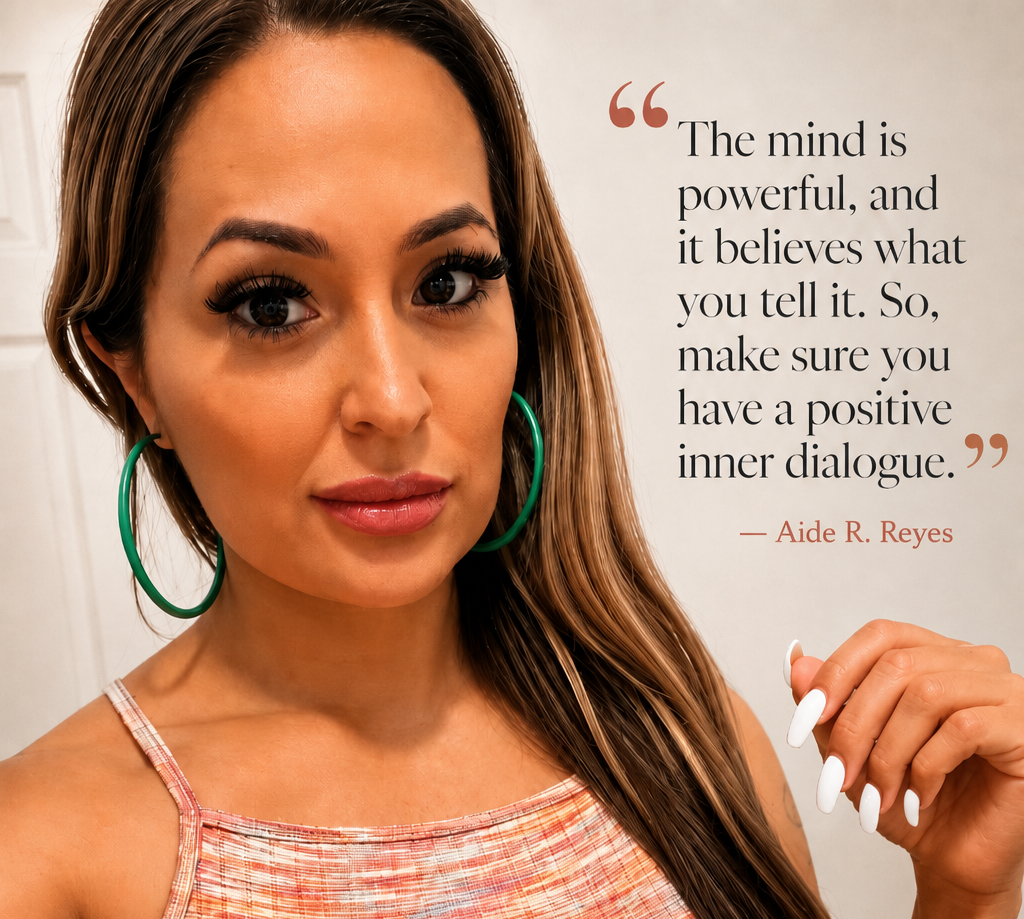
Read more from Aide Roxanna Reyes
Aide Roxanna Reyes, CEO & Founder, Mental Health Counselor Aide Reyes, LLC
Aide Roxanna Reyes is a licensed mental health counselor who has implemented RTT in her therapy sessions to help her patients reprogram their thinking and heal their childhood traumas and adult traumas. Aide Roxanna Reyes helps her patients heal from their traumas, reprogram their thinking, and help them create their best versions of themselves by using CBT (Cognitive behavioral therapy), hypnotherapy, etc.





