Russell Mann on Turning Big Ideas Into Working Businesses
A business idea can sound promising in conversation, but turning it into something people can actually visit, use, and enjoy is another matter. Locations to consider, people to coordinate, unexpected expenses, and countless decisions rarely get attention once a business opens.
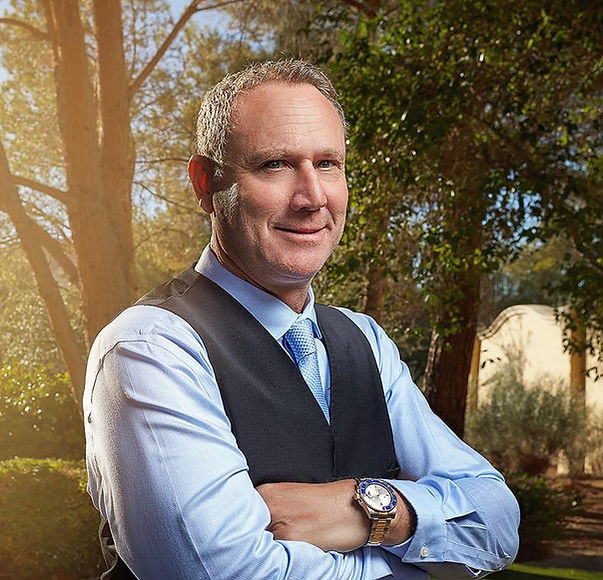
Russell Mann has spent much of his career working through those challenges. The Las Vegas business professional has helped develop projects across outdoor recreation, tourism, hospitality, and commercial real estate. His experience ranges from adventure-based attractions to a major 76 gas station and travel center.
What connects these projects is not a single industry or business model. It is the work involved in taking an opportunity beyond the planning stage and creating something that can operate in the real world.
Why Russell Mann looks beyond the initial business idea
For Mann, recognizing an opportunity is only the beginning. A concept must also make sense for its location, intended customers, and the people responsible for bringing it to life.
His involvement in outdoor tourism illustrates this challenge. Projects associated with Las Vegas ATVs, Vegas Off Road Racing, and Bullets and Burgers offered experiences that differed from the city's traditional entertainment options. Other ventures involving kayaking, hiking, water sports, and helicopter tours introduced their own operational considerations.
Although these businesses served visitors looking for different activities, each depended on understanding what customers expected and what it would take to deliver the experience.
Mann has learned that an idea cannot remain unchanged simply because it appeared promising at the beginning.
"I'm always creating new ideas to implement and not just sticking with the old ones," Mann has explained.
That willingness to reconsider an approach has become important as his work has expanded into projects with larger facilities and more complicated development requirements.
How do you turn a destination concept into a working business?
Developing a destination requires thinking beyond the attraction itself. Visitors need to reach the location, understand what is available, and move through the property without unnecessary confusion.
Mann's involvement in Arizona Last Stop and tourism-related developments introduced him to businesses where the physical location is closely connected to the customer experience.
A roadside destination, for example, serves people who may be unfamiliar with the area. Clear access, convenient facilities, and practical site planning can influence whether visitors stop and how they experience the property.
An outdoor recreation business faces different questions. The activities may be the main attraction, but scheduling, equipment, staff coordination, and facility condition also affect the experience.
These considerations become more complicated when a development brings several services together in one location.
For Mann, the challenge has increasingly involved understanding how separate parts of a project must function as a complete operation.
What makes large commercial development more complicated?
One example of that progression is Mann's work developing a major 76 gas station and travel center.
The 7.5-acre development includes a 10,000-square-foot building, 40 fuel pumps, 12 diesel fuel pumps, and a 280-foot canopy.
Those numbers show the project's scale, but they reveal only part of the work involved.
A facility designed for both passenger vehicles and diesel traffic must account for different vehicle sizes and movement patterns. The placement of pumps, access points, parking areas, and buildings can affect how easily customers navigate the property.
Construction also introduces dependencies between different parts of the development. Work involving utilities, site preparation, buildings, and fueling infrastructure must be planned with an understanding of how one activity affects another.
Mann's experience across hospitality, retail, and tourism provides a useful perspective on these challenges. While the industries differ, they all require attention to how people interact with a business and its facilities.
The travel center demonstrates how his development work has expanded from individual customer experiences to properties designed to accommodate several needs at once.
Why problem-solving matters more as projects grow
Larger projects can involve more people, longer schedules, and decisions with consequences that are difficult to reverse. Mann's approach to problem-solving reflects the distinction between issues that require immediate action and those that deserve more consideration.
He believes smaller problems should be addressed promptly, particularly when they interfere with customers or daily operations. He has emphasized the importance of answering phone calls and remaining accessible when something needs attention.
However, he does not believe every problem benefits from an immediate decision.
"If a big problem occurs, don't react," Mann advises. "Sit on it overnight and think it through."
That approach can be particularly relevant during development, when an unexpected issue may affect contractors, schedules, or other parts of a project.
Mann's career has also included business setbacks during difficult economic periods. Those experiences reinforced the importance of adapting when circumstances change rather than assuming an earlier approach will always produce the same results.
"Many times I've been successful, and then economic turns in the world set businesses back," Mann has said.
What Russell Mann's projects reveal about his career
Mann's professional background includes hospitality work at Caesars Palace, approximately a decade in the mortgage industry, retail businesses, and involvement in developing tourism destinations. Rather than following a traditional career within one field, he has continued applying experience from different industries to new opportunities.
His development projects illustrate how the nature of his work has changed over time. Early experiences put him close to customers and daily business operations, while later projects introduced broader questions involving land use, infrastructure, construction, and coordinating multiple services.
There is no single formula that connects every project. A tourism attraction has different requirements from a roadside travel center, and a retail business operates differently from a large commercial development.
What remains consistent is the need to understand the practical work behind an idea.
For Mann, bringing a project to life involves more than recognizing an opportunity. It requires making decisions, adjusting when conditions change, and working through the details that determine whether a concept can become a functioning business.
His career reminds us that ambitious developments are rarely defined by one big decision. More often, they take shape through the smaller choices, problems, and adjustments made along the way.