

Midwest Ragdolls – How a Family Cattery Grew Beyond Illinois
A business does not need a large staff or multiple locations to reach customers across the country. Sometimes, growth comes from years of experience, a clear purpose, and a family willing to stay involved in the day-to-day work.
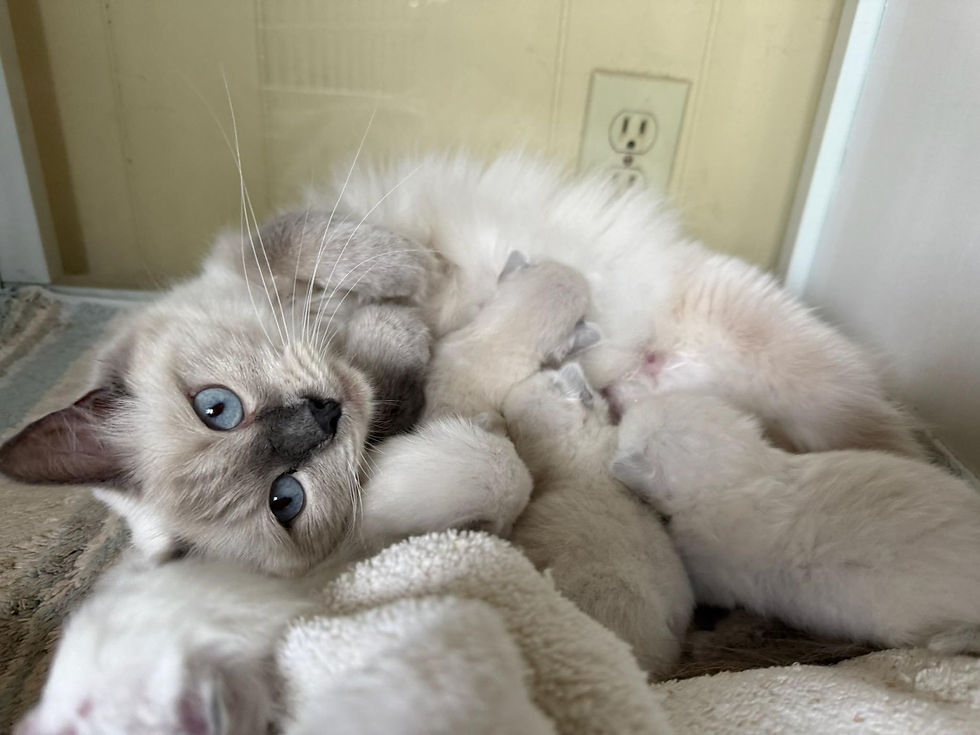
That has been the story of Midwest Ragdolls, a family-run cattery established in Elburn, Illinois, in 1993. Founded by Dr. Jennifer Creed, a practicing small-animal veterinarian, the business has spent more than three decades raising purebred Ragdoll kittens for families throughout the Midwest and across the United States.
What makes Midwest Ragdolls interesting is the way it combines professional veterinary knowledge with a hands-on family operation. Although its customer base extends far beyond Illinois, the business operates without a traditional staff, with Dr. Creed and her children involved in raising the kittens.
How Midwest Ragdolls began in 1993
Midwest Ragdolls was established in 1993, bringing Dr. Creed's veterinary medicine experience into purebred cat breeding.
Her professional background provided a foundation for understanding animal health, preventive care, and the responsibilities involved in raising young animals. Those skills mattered in a breeding business, where decisions about parent cats, kitten development, and veterinary care could shape an animal's early life.
Rather than treating breeding and veterinary medicine as unrelated activities, Midwest Ragdolls developed an approach that connected the two.
"Veterinary medicine and raising kittens involve different responsibilities, but there is a lot of overlap," Dr. Creed explains in a proposed statement. "You have to pay attention to small details, understand the animal in front of you, and recognize that decisions made early can matter later."
The business began in Elburn, a community west of Chicago, and has remained based there throughout its history.
While many businesses measure their development through new offices or larger teams, Midwest Ragdolls offers a different example. Its operations have remained closely tied to the founder's professional experience and the family's involvement.
Building a cattery around veterinary experience
One defining characteristic of Midwest Ragdolls is the connection between its breeding practices and Dr. Creed's veterinary background.
Running a cattery involves more than caring for kittens after they are born. It also requires attention to breeding cats, health histories, veterinary examinations, and young animals' development.
Midwest Ragdolls screens its breeding cats for heart and kidney concerns, as well as viral diseases. Kittens also receive veterinary care and testing before joining their new families.
These practices reflect the business's emphasis on understanding animal health early.
However, veterinary knowledge does not eliminate uncertainty. Even with screening and preventive care, some health conditions cannot be predicted or prevented.
For Midwest Ragdolls, communicating that distinction is part of the responsibility involved in raising animals and working with prospective owners.
The cattery also provides a three-year health guarantee against congenital defects, including hypertrophic cardiomyopathy, subject to the conditions of its health agreement.
These policies illustrate how the business has incorporated veterinary considerations into its operations rather than treating health care as a separate service.
Why Midwest Ragdolls remains a family-run business
More than 30 years after its founding, Midwest Ragdolls continues operating as a family business.
Dr. Creed's children help raise the kittens, and the cattery does not employ a separate staff. This arrangement keeps the business's day-to-day responsibilities within the family.
Raising kittens involves regular observation, feeding, cleaning, handling, and monitoring their development. It also means preparing young animals for the unfamiliar surroundings they will encounter after leaving the cattery.
At Midwest Ragdolls, kittens grow up in a household environment around children and dogs. These experiences introduce them to some of the sounds, movements, and interactions they may encounter in their future homes.
Dr. Creed describes the family involvement in a proposed quote:
"My children have been involved in helping raise the kittens, and that has always been an important part of how we operate. We aren't a business with a large staff. It's something we manage as a family."
The arrangement also reflects a particular approach to business ownership. Instead of separating management from the everyday work, the people responsible for the operation remain involved in caring for the animals.
This family structure has continued even as the business has developed a customer base beyond its immediate community.
Growing from Elburn to families across the United States
Although Midwest Ragdolls remains located in Elburn, its customers are not limited to Illinois.
The business provides kittens to families across the United States, with most customers in the Midwest.
That geographic reach is significant for a cattery that continues operating without a large staff or multiple locations.
Working with families outside the local area brings additional responsibilities. Prospective owners may have questions about the breed, veterinary care, kitten behavior, and what to expect when bringing a new animal home.
Clear communication is particularly important when families are preparing for a kitten they may not have had many opportunities to meet in person.
Over time, prospective pet owners have also gained access to more information about breeding practices and animal health. Questions about screening, early development, and responsible ownership are now common parts of researching a breeder.
Midwest Ragdolls' veterinary background provides a foundation for addressing these subjects while continuing its work as a family operation.
The business's reach demonstrates that a company can serve customers across a broad geographic area without abandoning the structure that has defined it.
More than 30 years of raising Ragdoll kittens
Since 1993, Midwest Ragdolls has continued operating through changing customer expectations, advances in veterinary knowledge, and the everyday challenges of maintaining a small business.
Its history is not defined by rapid expansion or dramatic changes in direction. Instead, it reflects the continued application of specialized knowledge within a family-run operation.
Dr. Creed remains a practicing veterinarian, and her family continues helping raise the kittens. The cattery still operates from Elburn while serving families throughout the country.
Reflecting on that history, Dr. Creed offers a proposed statement:
"When you've been doing something since 1993, you see a lot of changes. What hasn't changed is the responsibility that comes with raising animals and helping them make the transition into their new homes."
The story of Midwest Ragdolls illustrates how a business can develop around a founder's professional experience while maintaining a relatively small operating structure.
More than three decades after its establishment, the cattery continues to connect veterinary knowledge, family involvement, and the practical responsibilities of raising Ragdoll kittens.
For Midwest Ragdolls, growth has not meant becoming a different kind of business. It has meant continuing the work that began in Illinois in 1993 while reaching families well beyond the community where it started.







