Mental Health Is Just As Important As Physical Health ‒ Interview With Sarah Greene-Falk
Sarah is a licensed counselor specialized in sport and performance psychology with a unique background in physical therapy, massage therapy and personal training. Using psychological skills and mental training, she helps athletes, performers, and leaders of all walks of life create their ‘mental game plans’; Specifically helping with emotional regulation, performance anxiety, performance enhancement and to be happy. Her 5 module online mental training program for confidence and resilience, available for purchase on her website, teaches clients this process in a workshop webinar. Sarah has worked with all levels of athletes including D1 and Olympians, as well as C-level executives, expert musicians, and professionals in the performing arts.
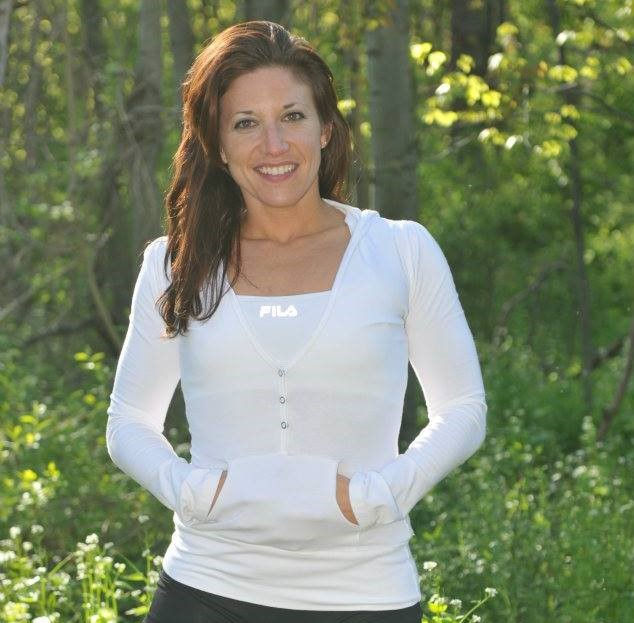
Sarah Greene-Falk, Licensed Counselor
Introduce yourself! Please tell us about you and your life, so we can get to know you better.
My name is Sarah Greene-Falk and I grew up in the NW Suburbs of Chicago. I was a well-rounded athlete by running cross country, track, playing basketball, softball, and swimming. My performances included playing piano, participating in show choir and vocal competitions. I had always dreamed of doing something in sports medicine so my undergraduate degree was a BA in Psychology and I minored in biomedical sciences.
I worked my way through undergrad as a physical therapy technician in a hospital and then through my graduate school as a teaching assistant. I started out towards physical therapy in my Kinesiology master’s program and realized I liked the psychological aspect even more. My specialization in my kinesiology program was Sports and Performance Psychology. I took a year in between my two master’s degrees and completed a year of massage therapy school, becoming certified and licensed in Colorado. I used massage to work at an athletic club while I completed my second master’s, MA in Counseling Psychology. Then while in private practice I completed a personal training licensure so I could advise clients in a session about how their physical and mental health directly affect each other. There were no Sport Psychology programs when I graduated high school unless I wanted to move to California, so I did what I always do. I find my own path and I made my own. PsychEdge is very unique due to all the knowledge and experience I can provide my clients.
I’ve been fortunate enough to use school to travel by living in Nebraska, Wyoming, and Colorado and my first job was as an adventure-based counselor in east Tennessee with ‘at risk’ youth. I learned climbing, rappelling, and experiential-based therapy techniques to accelerate positive results.
Today, I live in Naperville, IL with my husband and our three children. I enjoy being in nature, walking our dogs Honey and Clemson, weightlifting, swimming, hiking, traveling, live music, networking, research, and collaborating with peer professionals. I’m a research nerd and love staying current on the latest in psychology, health, sports psychology, and performing under pressure. I’m also an assistant leader of the Psychological Medical Team for the Chicago Marathon and the Half Marathon, one of the only psychological medical teams in the world. This year I’m fortunate enough to volunteer in helping GLASA (The Great Lakes Adaptive Sports Association).
What is your business name and how do you help your clients?
My business is PsychEdge because I help athletes and all types of performers get their own psychological edge in sports, performance, and life. By listening to concerns and frustrations, I validate my client’s feelings and give them the tools to ease those concerns and frustrations. It’s a terrible feeling to have things happen to us. In some situations, we feel like we don’t have any control and don’t know how to fix or change anything to make it better. I believe part of my job is to give my clients the tools and choose to use in professional and life challenges. Many times, we have more control than we think we do. Perception is key. Other times when things are outside of our control, there are still mindsets and skills to help ourselves to feel better, and even thrive through adversity. I genuinely want to help my clients achieve their goals, remove barriers and overall be healthier, happier, more confident, and resilient in sports, career, and life.
What kind of audience do you target your business towards?
Primarily I work with student-athletes (high school, college), coaches, and adult athletes. However, I enjoy working with all performers; musicians, businesspeople, C-level executives, and those that want to better lead their lives and their families towards a healthier and happier lifestyle. Some may perceive me as a life coach and be in the corporate world looking for better life balance and happiness or a stay-at-home Mom striving for confidence, independence, and self-purpose as kids get older.
I am a licensed counselor and a mental training coach, so my role is multifaceted. As a mental training coach, I target individuals that are motivated to perform well and are looking to learn and practice the skills that will help them be great! Many clients come to me struggling with confidence concerns, performance anxiety, and an overactive mind that’s hard to reign in. Others may seek me out due to feeling lost due to grief and life transitions, trying to find purpose and regain control to find happiness. Clients also contact me when they feel stuck, trapped, depressed, and are not sure where to turn. The psychological skills are the same, but they are tailored to each client and their specific situation.
What is your work inspired by?
I am inspired by my clients and those that could use the skills and mindsets I coach. My clients teach me so much and I greatly appreciate it. I love to see them learn and succeed! I have seen clients in bad situations getting into trouble, drugs, and even crime. It’s amazing to help give someone hope and options to turn around their lives if they work hard and really want to. I have seen clients turn their lives around because of their hard work, dedication, and perseverance. That’s inspiring!
I also remember myself in middle school and high school and wish I had an adult to direct me toward a Sports Psychology Specialist. I believe things happen for a reason, but I do wonder how things might have turned out differently if I had someone like myself to talk to. I’m inspired to do what I do because I know there are a lot of people out there that can benefit from my passion, vast knowledge, and support.
Lastly, I’m fascinated by neuroscience and love to be able to teach my clients skills that science has proven to be effective. Since we can’t look at the brain and many of my clients want to know the “why” behind things, I am driven and inspired to find the answers.
If you could change one thing about your industry, what would it be and why?
My dream is for the norm to be that Sports and Performance Psychology Consultants and Specialists are side by side with coaches, teams, in schools, universities, within companies, and beside more and more individuals. We can all use an empathetic cheerleader and coach in our corner to validate our feelings, remind us or teach us tools for various situations and steer us in a mentally healthy direction.
Mental health should be at the forefront of our society. Our society should put mental health as a priority. At the pinnacle, we can see how high achievers and performers can choose to direct all their energy and knowledge in a healthy way. It’s inspiring!
We know that mental health, physical health, and spiritual health all affect each other. If someone is not religious or spiritual, then look at it as energy and intention. We can’t deny the physics of our energy field or the compelling research of mind-body connection and meditation. Therefore, mental health is just as important as physical health. We just can’t always see it. Our brain is our body’s software if we are a computer. How good is a computer without its software to store and organize all the information?