

Matthew Mirro's Big Idea – Rebuilding a Career Around Change
Matthew Mirro did not start out planning a career in sales. At Ball State University, he studied psychology, a subject that has less to do with pitches and closing techniques and more to do with how people think, decide, and communicate. That background turned out to matter more than he expected once he entered the business world.
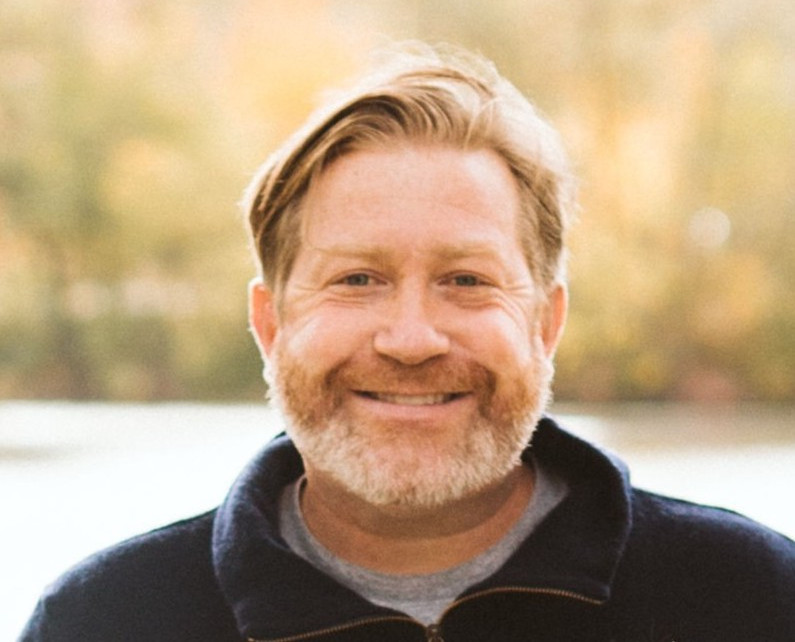
After graduating in 1999, Mirro moved to Chicago and built a financial services business from the ground up. The work demanded more than product knowledge. It required reading people accurately, understanding what they actually needed, and building trust over time. His psychology degree gave him a framework for that kind of listening long before it became a professional habit.
When an industry shifts under you
Financial services, like most fields tied to client relationships, has changed a great deal over the past two decades. Tools, expectations, and the way people research and buy have all moved. Mirro has described his own path through this shift plainly: he has had to work through careers that became outdated by staying current with new technology rather than resisting it.
That kind of adjustment is easy to state and hard to live through. It means learning new systems, new communication channels, and in some cases, rethinking approaches that once worked well. Mirro's response was to keep adapting instead of holding onto methods simply because they were familiar. That decision shaped the next stage of his career.
Finding a model in high-ticket sales
As Mirro moved deeper into sales and business development, he found guidance in the work of Cole Gordon and Alex Hormozi, two figures known for modern approaches to high-ticket sales. Their influence shows up in how Mirro talks about his own role today: less about a single transaction, more about building a repeatable process that treats sales as a skill to sharpen continuously rather than a talent someone either has or does not.
This is part of why Mirro's current title, Senior Advisor, fits the way he works. An advisor's job is not to push a product once and move on. It is to stay involved, adjust as circumstances change, and give clients a reason to keep coming back. That approach draws directly on the psychology training from his college years and the adaptability he developed watching his own industry evolve.
Real estate as a second discipline
Alongside his financial services work, Mirro built experience in real estate investment. The two fields overlap less than people assume. Financial services often centers on advising and relationships, while real estate rewards patience, timing, and a tolerance for slower returns. Mirro has treated it as a second discipline to learn rather than an extension of the first, which has given him a broader sense of how different kinds of value get built over time.
A personal commitment alongside the professional one
Not every idea Mirro has built his life around is professional. In honor of his brother Michael, Mirro started the Michael Mirro Neurological Fund at the Mirro Center in Fort Wayne, Indiana. He has also written and performed an original song for his brother, a project that sits outside his business work entirely but reflects the same instinct: when something matters, build something lasting around it rather than letting it pass quietly.
Music has stayed part of Mirro's life since childhood. He plays guitar and sings, a habit that has little to do with sales or advising but says something about how he approaches most things he cares about: with steady, ongoing attention rather than a single burst of effort.
Where the threads meet
None of these pieces, the psychology degree, the shift toward high-ticket sales, the real estate work, or the fund honoring his brother, were part of a single plan laid out in advance. Mirro built each one at a different point in his career, often in response to what the moment required. Taken together, they describe someone who treats change as a normal part of working life rather than something to avoid. That has been the constant across financial services in Chicago, business development back in Indiana, and the personal commitments he has made along the way.






