Leading with Compassion and Clarity – Exclusive Interview with Karmen Fairall
Karmen is a Speech Pathologist, business owner, and reflective practitioner exploring what sustainable service looks like at the intersection of allied health, leadership, motherhood, and faith. In this interview, she shares her journey of redefining success, learning the importance of boundaries and compassionate systems, and exploring how people-focused leaders can create meaningful work without losing themselves in the process.
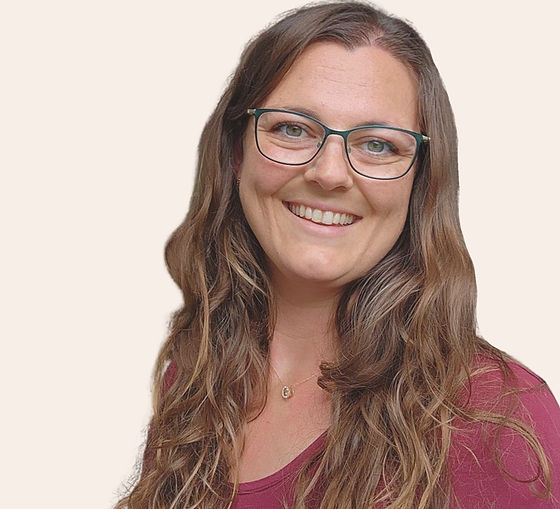
Karmen Fairall, Speech Pathologist and Reflective Practitioner
You describe this season as redefining what sustainable service looks like. What led you to question the way you had been working and leading?
The turning point came through two significant moments close together. First, my body forced me to slow down through an unexpected hospital admission. Shortly afterward, I realised that the business I had worked so hard to build had moved from a healthy surplus into a place where it was no longer financially sustainable.
My first response was fear, followed by disappointment and frustration with myself. I felt deeply disappointed because something I cared so much about was no longer operating the way I had hoped.
The hardest part was that my decisions had always come from a place of care. I wanted to create the kind of workplace I would have wanted to be part of, so I invested heavily in my team, their development, and creating a supportive environment.
What I learned was that generosity and sustainability are not the same thing. Caring for people well requires more than good intentions. It requires clear boundaries, healthy systems, and wise stewardship.
This season has reshaped how I understand leadership, not as carrying everything, but as creating something that can continue to serve people well.
Looking back, what were the earliest signs that serving others was starting to come at too great a personal cost?
Looking back, the earliest signs were not simply that I was tired. They were that I had tied too much of my identity to being productive, dependable, and needed by others.
Ten days after giving birth to my second son, I experienced complications that resulted in an unexpected and sustained hospital admission. But what stands out most to me is what was happening before that moment.
I gave birth on a Sunday afternoon, and by Monday morning, I was already messaging my team. I had not even told them I had welcomed my baby because I felt I could not step away. At the time, I did not recognise this as a warning sign. I saw it as a commitment. I was struggling to understand how to be both a mother and a business owner, and I carried an unrecognised belief that if I was not actively contributing, I was letting people down.
Looking back, I feel sad that I didn't give myself more permission to fully enter that season. What I wish I had understood then was that the business could wait, my recovery, my health, and my connection with my baby mattered too.
That experience became a turning point. It showed me that sustainable leadership requires more than commitment and responsibility. It requires the humility to recognise our own humanity, our seasons, and our need for support.
You often say that healthy boundaries are only part of the solution. Why do compassionate systems matter just as much?
Boundaries are essential because they help us understand what we are responsible for and what we are not. However, I have learned that boundaries alone are difficult to sustain without compassionate systems around them.
This became one of my biggest leadership lessons while building my allied health practice. I created the business from a place of genuine care. I wanted my team to feel valued, supported, and to have the kind of workplace I would have wanted myself.
What I underestimated was that care also requires clarity. I had built a business heavily reliant on my ability to provide support, but I had not created enough shared understanding around expectations, accountability, and how each person contributed to the sustainability of the organisation.
Compassionate systems are not about control. They create the clarity and structure that allow people to thrive. In clinical practice, when a client is not progressing toward a goal, we do not ask, "Who has failed?" We review the supports, the environment, and what needs adjusting.
I now believe organisations deserve the same compassion. When something is not working, the question is not, "Who is the problem?" but, "What structure or support is missing?"
How has leading an allied health practice changed your perspective on what good leadership looks like?
Leading an allied health practice has changed my understanding of leadership in many ways. When I first started my business, my motivation was simple. I wanted to help people. I wanted to create a workplace where clinicians felt supported, valued, and able to do meaningful work.
One of the biggest lessons I have learned is that good leadership requires both compassion and clarity. My natural tendency has always been to support people and maintain harmony. However, I learned that avoiding difficult conversations or allowing unclear expectations does not ultimately serve anyone well.
Sometimes the most caring thing a leader can do is create clarity, even when that clarity feels uncomfortable. This experience also changed my understanding of the kind of leadership I want to offer in the future. I no longer believe sustainable leadership is about one person carrying the weight of everyone else's success. It also taught me that being liked and being an effective leader are not always the same thing. It is about creating shared responsibility, healthy systems, and environments where people understand how they contribute.
I still deeply value leadership, but I see it differently now. Leadership is not about being responsible for everything. It is about creating the conditions where people can contribute, grow, and flourish together.
Motherhood, leadership, and clinical work all place different demands on you. How have those experiences shaped the way you approach service today?
Motherhood has probably challenged my understanding of service more than anything else. Before becoming a parent, I was very comfortable being the person who gave, supported, and solved problems. Motherhood showed me that my capacity is finite and that this is not a weakness.
My children have also become incredible mirrors. They remind me that presence matters more than productivity. They do not measure me by my achievements, my inbox, or how much I have accomplished. They experience me through connection.
Clinical work has reinforced the importance of meeting people where they are rather than where we think they should be. Motherhood has deepened that understanding.
Together, these experiences have shaped my belief that sustainable service requires compassion, not only toward others, but toward ourselves. We cannot create environments where people flourish if we are constantly operating beyond our own limits.
What does reflective practice look like in everyday life, and how has it helped you make more sustainable decisions?
Reflective practice has always been part of my clinical identity as a Speech Pathologist, but I have learned that it is just as important personally.
For me, reflection is creating space to pause and ask better questions before simply reacting. It looks different depending on the season, sometimes it is prayer, conversations with my husband, gardening, working with my psychologist, or simply creating quiet moments where I can process what is happening internally.
I have always been someone who thinks deeply and analyses situations carefully. That can be a strength, but I am also learning that reflection needs to lead toward self-compassion and action, rather than becoming another place to criticise myself.
The question I return to most often now is, "How am I showing up for the people I love, whilst also honouring what I need to remain healthy and present?"
That question has helped me reconsider success, work, and service. Sustainable decisions are not just about what I can do. They are about what allows me to continue showing up well.
For someone working in a helping profession who feels stretched too thin, what is one practical change that can make the biggest difference?
The practical change I would encourage is creating a pause between feeling responsible and taking action. For many people in helping professions, the instinct to respond is incredibly strong. We notice needs, we want to help, and we often move quickly into problem-solving mode.
But before adding another strategy, commitment, or responsibility, I think we need to pause and ask better questions.
"Is this actually mine to carry?"
"Does this expectation fit the season I am currently in?"
"What support do I need to sustain this?"
One of the biggest lessons I have learned is that our capacity changes across seasons. The goals and expectations we set for ourselves need to reflect our current reality, not an idealised version of ourselves.
Sometimes the most sustainable choice is to do less. It is letting go of the expectation that we need to be everything for everyone. Care is not measured by how much we carry. It is measured by how intentionally we show up.
Your faith is an important part of your leadership philosophy. How has it influenced the way you define purpose and success?
My faith has significantly shaped the way I understand purpose, leadership, and success. One concept I have been reflecting on is the biblical tradition of Sabbath and rest. In Jewish tradition, the day begins at evening, with rest coming before work and productivity. This challenges the way I naturally approach life because my instinct has often been to achieve first and rest afterward.
My faith continues to remind me that my worth is not found in what I accomplish, but in who I am. It has shifted my understanding of success from simply achieving outcomes to considering the people, relationships, and values impacted along the way.
At the same time, I have learned that caring about people also requires stewardship. Compassion and sustainability need to go hand in hand.
For me, purpose is not about doing more. It is about being intentional with what I have been given, my time, relationships, gifts, and opportunities, and asking whether the way I am living reflects what truly matters in the long term.
As you continue exploring coaching, nonprofit leadership, and strengths-based practice, what kind of impact do you hope to have on the future of service-based leadership?
As I continue exploring coaching, nonprofit leadership, and strengths-based approaches, I hope to help people who serve others create healthier, more sustainable ways of working.
My own journey has shown me that passion and commitment are not always enough. People can care deeply and still become overwhelmed when there is not enough clarity, support, or structure around that care.
I am particularly interested in supporting allied health leaders, nonprofit teams, and purpose-driven organisations who want to create cultures where both people and outcomes can flourish.
I am continuing to discern what this next chapter will look like, but I know the thread that matters to me is helping people feel better equipped.
Whether through writing, coaching, leadership development, or future consulting work, I want to contribute to conversations around sustainable service, where compassion and accountability can exist together, and where people do not have to lose themselves in order to make a meaningful difference.
Read more from Karmen Fairall