

Imposter Syndrome - and Tips For Overcoming it
Updated: Oct 15, 2020
Written by: Maxim Minin, Executive Contributor
Executive Contributors at Brainz Magazine are handpicked and invited to contribute because of their knowledge and valuable insight within their area of expertise.
In my career as a business and wellness coach, which involves meeting and conversing with people from different walks of life, with different mindsets and issues, I have seen one aspect of psychology be the underlying issue more frequently than others in recent years. The issue is that of an IMPOSTER SYNDROME. In fact, I have heard myself talk to people dealing with imposter syndrome more in the last 5 years or so. I am sure many of you have passingly come across the word or read about it somewhere.
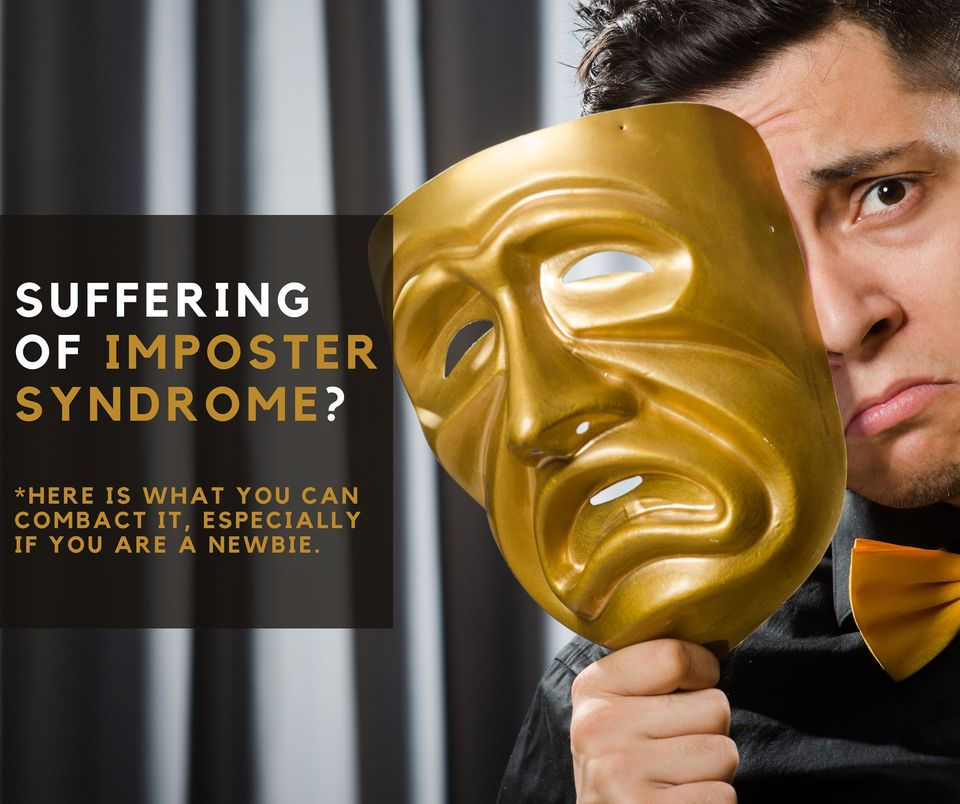
In my opinion, since Impostor syndrome is not a recognized disorder, and the Diagnostic and Statistical Manual of Mental Disorders (Fifth Edition) (DSM-5) does not list criteria for diagnosing it, it is important to have some level of understanding of its symptoms and methods to deal with it. Thus I want to spend some time explaining the definitions of imposter syndrome and share some useful steps to deal with it.
Let's get to the fundamentals. What exactly is imposter syndrome?
Imposter syndrome can be defined as a collection of feelings of inadequacy that persist despite evident success. ‘Imposters’ suffer from chronic self-doubt and a sense of intellectual fraudulence that override any feelings of success or external proof of their competence. They seem unable to internalise their accomplishments, however successful they are.
What are the common feelings people suffering from imposter syndrome deal with?
Some common thoughts and feelings associated with imposter syndrome include:
“I must not fail” there is pressure not to fail in order to avoid being “found out.” Success becomes an issue since it brings the added pressure of responsibility and visibility.
“I feel like a fake” imposters feel they do not deserve success and believe that they give others a false impression of being competent but deep down feel inadequate and unknowledgeable.
“It’s all down to luck” Imposters" attribute success to luck and not their own abilities.
“Success is no big deal” Imposters downplay or discount their success.
A person with impostor syndrome has: a sense of being a fraud
fear of being discovered
difficulty internalizing their success
Who can suffer from Imposter syndrome, and how long does it last?
Impostor syndrome can affect anyone, regardless of job, social status or gender. Having said that, high-achieving individuals experience imposter syndrome often. Many people experience symptoms for a limited time, such as in the first few weeks of a new job. For others, the experience can be lifelong.
How does imposter syndrome impact mental health?
The fear of not being good enough can lead to mental health complications, in some cases. The person may experience:
Anxiety
Fear of being a fraud
Depression
Frustration
Lack of self-confidence
Shame
However, experts do not consider impostor syndrome a mental health condition.
What are the different types of Imposter Syndrome?
Below are the five types of “impostors” who can manifest as a result of Imposter Syndrome:
The expert will not feel satisfied when finishing a task until they feel that they know everything about the subject. The time spent searching for information can make it hard to complete tasks and projects.
The perfectionist experiences high levels of anxiety, doubt, and worry, especially when they set themselves extreme goals that they are unable to achieve. A perfectionist will focus on areas where they could have done better rather than celebrate their achievements.
Natural geniuses master many new skills quickly and easily, and they may feel ashamed and weak when faced with a goal that is too hard. Learning that everyone needs to struggle to achieve some goals may help.
The soloist, or “rugged individualist,” prefers to work alone, fearing that asking for help will reveal incompetence. The person may turn down help in an attempt to prove their self-worth.
Superheroes often excel due to extreme effort, as in “workaholism.” This can lead to burnout, which can affect physical and mental well-being and relationships with others.
What are the tips for overcoming impostor syndrome?
Recognize imposter feelings when they emerge. Awareness is the first step to change, so ensure you track these thoughts: what they are and when they emerge.
Rewrite your mental programs. Instead of telling yourself they are going to find you out or that you don’t deserve success, remind yourself that it’s normal not to know everything and that you will find out more as you progress.
Talk about your feelings. There may be others who feel like imposters too – it’s better to have an open dialogue rather than harbor negative thoughts alone.
Consider the context. Most people will have experience moments or occasions where they don’t feel 100% confident. There may be times when you feel out of your depth, and self-doubt can be a normal reaction. If you catch yourself thinking that you are useless, reframe it: “the fact that I feel useless right now does not mean that I really am.”
Reframe failure as a learning opportunity. Find out the lessons and use them constructively in future. This is a critical lesson for everyone.
Be kind to yourself. Remember that you are entitled to make small mistakes occasionally and forgive yourself. Don’t forget to reward yourself for getting the big things right.
Seek support. Everyone needs help; recognize that you can seek assistance and that you don’t have to do everything alone. This will give you a good reality check and help you talk things through. Seek help from a trusted confidant that you can reach out to for some guidance? Find a friend, family member, colleague, or manager you can connect with, so you feel less alone in navigating Imposter Syndrome.
Visualise your success. Keep your eye on the outcome – completing the task or making the presentation, which will keep you focused and calm.

Maxim Minin, Executive Contributor Brainz Magazine
Maxim, Wellness & Business coach and Founder of www.livewithsmile.com, started his entrepreneurial journey as a personal trainer and wellness coach. Through the years of self education and working with clients in achieving their health goals, he realized that real wellness is achieved through a balance and fulfillment in finances, relationship, parenting, and of course, self-care. His mission is to help stay at home mothers, parents or those who are not fulfilled in their life to breakthrough their beliefs, transform their relationship and communication as well as start building an online coaching, consulting or experts business that will allow them to generate more income, free more time, promote self-growth and in the end lead to that desired fulfillment with finances, relationship, kids and well being.’







