How to Turn a Product Launch Into a Brand Activation People Remember
Written by Manuel Wotsch, Founder of AURA Silent Disco
Manuel Wotsch is the founder of AURA, a Barcelona silent disco and wireless headset company that has produced over 1,200 events across 14 countries. He writes about experiential events, wellness formats, and how personal audio channels are reshaping the way people gather.

A brand activation works when people leave with a feeling attached to your name, not a tote bag they forget on the train home. For a long time, the default way to manufacture that feeling was volume. A big stage, a loud public address (PA) system, a room that hits you in the chest. The trouble is that volume is a blunt instrument. It fills a space indiscriminately, fights the acoustics of the venue, and runs straight into noise limits the moment you choose somewhere interesting to gather people.
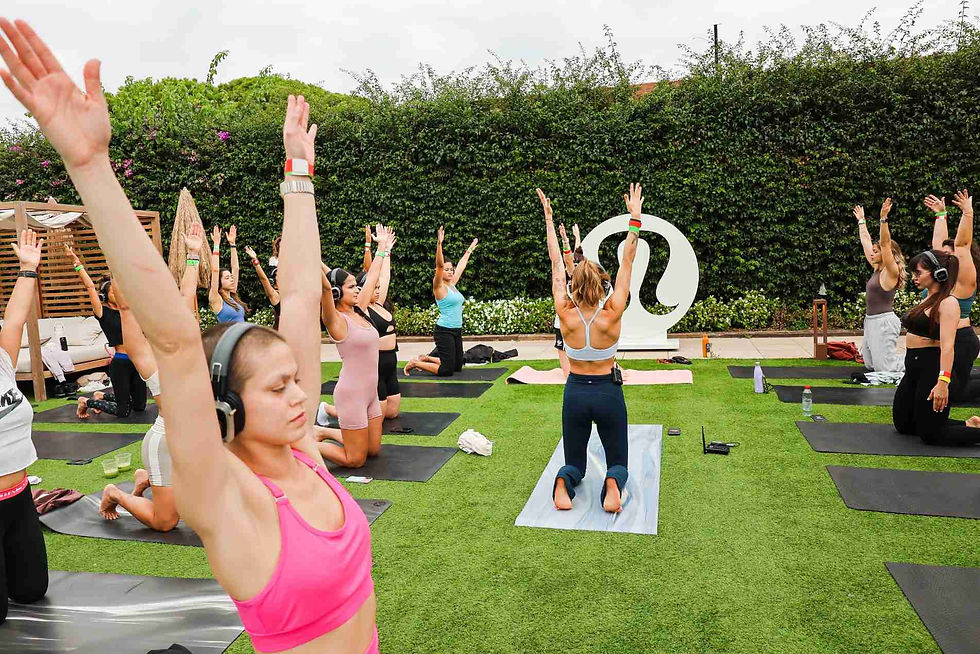
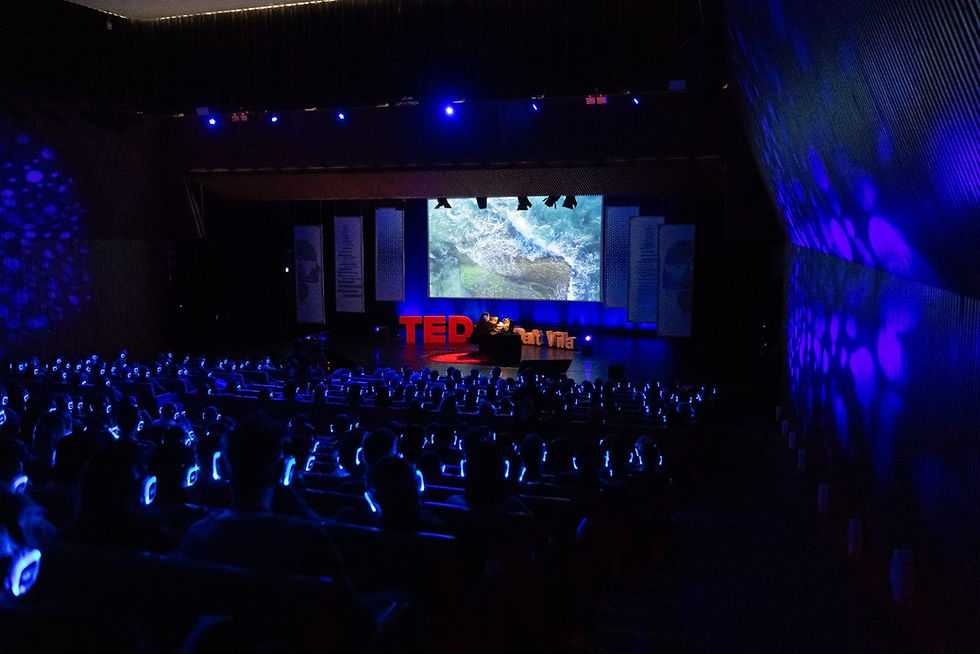
Across more than 1,200 events, I have watched brands get far more from the opposite approach. You give every guest their own set of wireless headphones and put the sound exactly where it belongs, in their ears. This is a practical 2026 guide to running a product launch or brand activation using personal audio. It covers why sound quietly decides the whole experience, how to build several branded moments inside one room, how to launch in venues a speaker rig could never touch, and a simple playbook for putting it all into practice.
Why does audio decide a brand activation?
Audio decides a brand activation because it is the one element every guest experiences without a break, from the first step through the door to the last goodbye. Lighting draws the eye, and a set piece earns a photo, but sound is continuous, and it sets the emotional temperature of the whole room.
On a shared speaker system, you get one volume and one mix for everybody, so the person by the bar and the person at the front are having different nights, whether you like it or not. Personal audio changes the unit of control from the room to the individual. Every guest hears a clean, consistent mix at a level that feels made for them, which means the feeling you designed actually reaches all of them rather than only the few standing in the right spot.
For a brand, that consistency is the difference between a moment that lands with a handful of people and one that lands with the whole room. It also protects the message when the room is against you. At a busy launch, the competition is never silence. It is chatter, clinking glasses, and the event happening next door. Personal audio quietly wins that fight for you because the brand’s voice is not one more sound in a crowded space. It is the clearest sound in each guest’s ears.
How do you build several branded moments in one space?
You build several moments at once by running up to three simultaneous channels, so a single room can hold three distinct experiences without a single dividing wall. Picture a launch where one channel carries a host walking guests through the story of the product, a second runs an immersive soundscape at a hands-on demonstration station, and a third plays a music set to keep the energy up in between.
Guests move between them using a dial on the ear cup, choosing their own path through your activation rather than being marched through yours. This is how you turn one hall into a product theatre, a demonstration zone, and a social floor at the same time, using a single kit and one team. It also solves the classic launch problem of a mixed crowd, where the press wants detail, buyers want the pitch, and everyone else wants the party. Put each audience on a channel, and nobody is bored or lectured.
How do you launch in a venue that bans loud sound?
You can launch in a wider range of venues because wireless headsets remove the need to broadcast amplified sound throughout the space, so noise limits, curfews, and thin-walled buildings become less significant obstacles. A rooftop with flats on every side, a heritage space that forbids a loud rig, a working retail floor after hours, a gallery, or a warehouse with close neighbours can become viable when the programme’s audio lives inside the headsets.
With a 500-metre outdoor range and no speakers or cables to run, the physical footprint of the activation shrinks to a few cases and a transmitter, which is exactly what can make a cautious venue say yes. An eight-hour battery carries a full evening without a recharge, so a launch can run late in a place that would normally pull the plug early.
That freedom is why brands come to us for wireless headsets for a product launch. The guest experience no longer depends on what the building will let you push through a speaker. You choose the venue for the story it tells, not for how much noise it can legally absorb.
How do you make the reveal land?
The reveal lands when you control the exact instant every guest hears it, and personal audio delivers the same cue to every pair of ears at the same moment. On speakers, a countdown can scatter across a room as sound bounces and delays, and the big moment arrives raggedly. On headsets, you can drop a room into near silence, hold it, and then release the music and the message together, so the whole crowd reacts as one.
I have watched a launch where a founder spoke the final line of a story directly into every guest’s ears, the music swelled on cue, and the product lit up, all in the same breath. That synchronisation can be difficult to achieve with a PA system and more precise with personal audio. It is also the moment guests film and share, which is where a good activation earns its second life online.
How does personal audio change how a crowd behaves?
Personal audio changes crowd behaviour by removing the amplified noise people usually have to shout over, so they lean in rather than tune out. Presenters speak at a normal, intimate volume and still reach the back of the room, which makes a pitch feel like a conversation instead of a broadcast. Guests stop competing with the sound and start paying attention because the thing they are meant to hear is the clearest thing in their ears.
There is also a curiosity effect that works in a brand’s favour. A room full of people dancing or reacting in near silence looks intriguing from the outside, and it pulls people in to find out what they are missing. At a public launch or a shop floor activation, that pull is free attention, and it starts before anyone has heard a single word.
I have watched a quiet crowd on a shop floor slow the foot traffic around it as passing shoppers drifted over simply to understand what everyone was so absorbed in. For a brand, that is the rarest thing of all at a launch, an audience that arrives because it chose to.
What does a simple activation playbook look like?
Start by mapping your channels to your moments because that single decision shapes your talent booking, your run of show, and how you brief the crowd. Decide what lives on channels one, two, and three, and which moment each guest should be able to reach at any time.
Brief guests the instant they arrive with a short sign at the door, a quick word from a host, and a visible channel colour on each headset, so nobody spends the first ten minutes confused. Test the sound using a guest headset before the doors open, not from your own position, because that is what your audience will actually hear.
Charge every unit fully the night before so an eight-hour battery carries the whole event, and keep a small stack of spares within reach for the few that always need swapping. Finally, rehearse the reveal cue with whoever controls the audio, so the biggest moment of the night is the one you have practised most.
None of this is complicated. It simply moves the effort to where it pays off, which is the guest’s actual experience rather than the equipment list.
Bringing it together
If you produce launches or activations and have ever fought a venue’s acoustics, its neighbours, or its curfew, build the experience around personal audio instead of around a speaker stack. It gives you several branded moments in one room, the freedom to gather people in places a loud rig could never go, and a reveal you can land at the exact second.
The equipment is not the point, and it never was. The point is the feeling your brand leaves behind, and personal audio is simply the most dependable way I have found to put that feeling precisely where it matters, in the ears and the memory of every single guest.
If you are producing a launch or activation in 2026, take a look at personal audio for your next brand activation, get in touch, and we will help you make it land.
Read more from Manuel Wotsch
Manuel Wotsch, Founder of AURA Silent Disco
Manuel Wotsch is the founder of AURA, a silent disco and wireless headset company based in Barcelona. Since 2021, he has grown AURA from an equipment provider into a full experience producer, delivering more than 1,200 events for 250,000 attendees across 800 venues and 14 countries. His work focuses on experiences that thrive inside real constraints, from city noise limits and venue curfews to inclusive access and corporate wellbeing. He writes about silent disco, sunrise sessions, wellness formats, and the shift from events to designed experiences. Through AURA, he helps brands, wellness practitioners, and companies bring people together around sound without disturbing anyone nearby.