How Music and Nature Shape the Healing Journey – Exclusive Interview with Matijas Slivnik
Matijas Slivnik is a naturopath specializing in burnout, hormonal balance, and chronic fatigue. With over 12 years of experience, he combines natural medicine, energy healing, and psychotherapeutic modalities to support holistic health. As an experienced musician, he uses music and healing sounds to enhance healing. Matijas is the founder of PraNaturas, helping clients restore energy and balance naturally.

Matijas Slivnik, Naturopath, Therapist & Musician
Who is Matijas Slivnik? Introduce yourself, your hobbies, your favorites, you at home and in business. Tell us something interesting about yourself.
I grew up among the green hills and rivers of the Soča Valley, and I believe that connection with nature shaped my view of health and harmony. At home, I’m a father and a partner, happiest when I’m close to nature or enjoying quiet moments with my family.
By profession, I’m a naturopath and therapist, I help people who are struggling with burnout, anxiety, and chronic health problems, chronic digestive issues, which are often closely linked with the burnout and anxiety I mentioned. What I enjoy most is watching people rediscover their own strength. I love helping them find calm and energy again. Over the years, I’ve also had to learn that if I want to truly support others, I must first take care of myself.
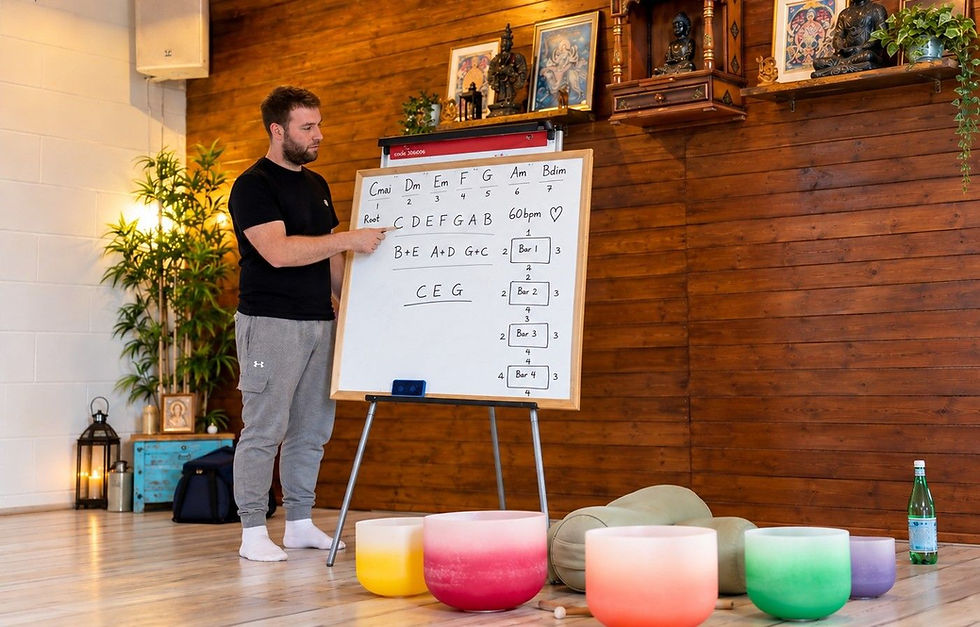
Rhythm has always been a quiet companion in my life, from drums in my childhood to the soft, beautiful tones of the handpan I play today. Over time, I realised that sound can heal as deeply as plants or breath. Music has always been part of me. I love how sound can calm the mind and create a space for healing, so I often combine music and the healing sounds of the hang/handpan with my therapeutic work, or simply play outdoors for joy and inner connection.
What inspired you to pursue a career in naturopathy and establish PraNaturas?
I was strongly drawn to the idea of health through the most natural path possible and to a holistic understanding of the person as an integrated being. Primarily, though, my own painful past experiences pushed me in that direction, struggles with low energy, emotional burdens, anxiety, and loss.
In my late teens, I began experiencing quite powerful anxiety, even if I didn’t always show it outwardly. I had trouble concentrating, racing thoughts, difficulty falling asleep, and frequent heart palpitations. As I learned more about the breadth and depth of these experiences and gained knowledge from healing communities and natural medicine approaches, and as I worked on myself, the pieces slowly started to come together.
At the core, I love working with people: supporting them, offering space to explore themselves and their depths, and enabling the body’s self-healing processes on multiple levels.
How do you integrate traditional naturopathic practices with modern wellness approaches in your therapies?
My work and mission are rooted in natural foundations, supporting our internal biological terrain, life energy, emotions, digestion, hormone balance, the one and only lymphatic system, and understanding a person’s history. That is the foundation that my method, PraNaturas, and traditional naturopathy, and its principles of the laws of nature bring. Within naturopathy, I use other different approaches and techniques, which are some kind of a part of naturopathy, that can help people feel effects relatively quickly, such as breathing techniques, sound therapy, various somatic exercises, etc., and functional diagnostics.
I believe the real strength is in the combination: ancient knowledge and wisdom that bring us back to the basics of health, together with modern tools and findings that support the person where they need it most. In my clinical practice, these are most often low energy, chronic stress, burnout, anxiety, depression, and chronic digestive disorders.
What challenges have you encountered in promoting holistic health in Slovenia, and how have you addressed them?
The biggest challenge is that people often look for quick fixes, a kind of “miracle pill” that will instantly restore energy and health. A holistic approach, however, requires time, patience, and changes to daily habits, especially for chronic conditions. Another challenge is misunderstanding what naturopathy actually is, many still mistake it for some form of alternative medicine without a solid foundation, which is not the case.
I have addressed this lack of understanding mainly through education, lectures, articles, video content, and individual conversations. I show people that naturopathy and the methods I use are supported by science, clinical practice, and a personal, individual approach. The strongest proof, of course, is the results: when a client experiences real improvement, they become the best ambassador for this work.
In what ways do you envision PraNaturas evolving in the next five years?
A space that connects naturopathy, sound, energy techniques, and personal transformation in an even deeper and more integrated way. I want people to have access to comprehensive programs, education, and above all, a community that supports health in the most natural way possible. My vision is to see as many happy and healthy people as possible living fuller, lighter lives, to help them feel it’s possible, to begin to believe in themselves, and to trust themselves, which in turn improves life for them and for those close to them.
I also expect growing trust in Slovenia for natural healing approaches like naturopathy, in many countries, naturopathy is already officially recognized as a healthcare discipline, and I believe that recognition will continue to increase.
What advice would you offer to someone interested in pursuing a career in naturopathy or holistic health?
My first piece of advice is: “Take care of yourself first.” Not in a selfish way, don’t misunderstand, but if you don’t have balance, energy, and inner clarity, it’s very difficult to guide and support others, eventually, you will burn out. Second: “Never stop investing in knowledge.” Learn from official sources and from practice, explore and test things on yourself. Third: “Be patient.” This path is not quick, but when people sense your sincerity and stability, they begin to trust you, which is essential for aligned therapeutic support and the self-healing process in the relationship.
Also, learn to combine different methods and techniques, but stay true to yourself. And above all, practice empathy: always see the person as a whole, not just a set of symptoms.
Read more from Matijas Slivnik