

How Epigenetics Shapes Autism and ADHD Beyond Genes
Updated: Feb 12
I'm an international holistic health practitioner, specialising in supporting individuals with ADHD, autism, allergies, sleep issues, and gut problems using natural medicine. I help people uncover and treat root causes so they can reclaim their health and thrive.

Research shows that while genes set our potential, it is epigenetic factors, environmental and biological influences that turn genes on or off, that shape how this potential is expressed. In recent decades, diagnoses of autism and ADHD have increased significantly around the world. For example, in the United States, autism rates rose from about 1 in 150 children in 2000 to about 1 in 31 children by 2022, which is a 375% increase over twenty years. During this period, diagnoses among females grew by over 300%, showing greater awareness and better identification of autism in girls and women, who were often missed in the past because many of them experience ADD, rather than ADHD.
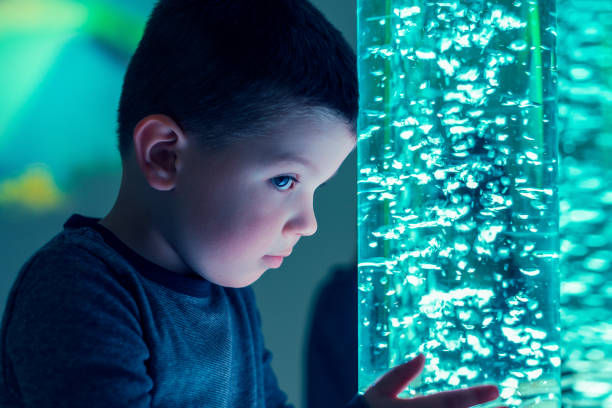
This sharp increase shows why it is essential to look beyond genetics and consider environmental, nutritional, and other epigenetic factors that affect brain development. Epigenetics helps explain why children with similar genes can react very differently to the same environment, showing the wide range of neurological development now known as neurodiversity.
As Bruce Lipton, a stem cell biologist and pioneer in epigenetics research, explains:
“Epigenetics doesn’t change the genetic code, it changes how that’s read. Perfectly normal genes can result in cancer or death. Vice versa, in the right environment, mutant genes won’t be expressed. Genes are equivalent to blueprints, epigenetics is the contractor.” – Bruce Lipton.
Environmental and epigenetic causes of autism and ADHD
Epigenetics controls how genes are turned on or off, which is especially important for children with autism and ADHD. A child’s DNA is the blueprint, but the environment, including diet, exposure to toxins, stress, infections, parasites, and immune challenges, decides how those genes are used.
Chronic stress can increase inflammation and affect neurotransmitter pathways, influencing behaviour, focus, and emotional regulation. Poor gut health and parasites can trigger immune responses that alter brain signalling, while exposure to environmental toxins can disrupt the developmental process. Dietary deficiencies in nutrients such as omega-3 fatty acids, selenium, zinc, or magnesium can impair cognitive function and emotional regulation. When detoxification pathways are overwhelmed or underfunctioning, the body’s ability to process and eliminate toxins is reduced, compounding neurological and behavioural challenges.
These epigenetic factors do not change the genetic code itself, but they can significantly influence how genes function in real time. Emerging evidence suggests that some of these influences are well established through research, such as the effects of certain toxins and nutritional deficiencies, while other factors remain under investigation. This helps explain why children with similar genetic backgrounds may display very different neurodevelopmental outcomes. Addressing these underlying factors early can have a profound impact on learning, attention, emotional regulation, and overall neurological health.
Research increasingly shows that autism and ADHD are shaped not only by genetics but also by epigenetic influences such as nutrition, environmental exposures, toxins, and immune health. This is certainly my experience over the last fifteen years of specialising in supporting people with autism, ASD, and ADHD.
A parent’s testimonial of transformation for her son
"In just a short span of time, we have witnessed truly remarkable transformations in our boy's life, and we cannot thank Tina enough.
Our son had been plagued by severe itching for over five years, making it nearly impossible for him to engage in any activities without constant distraction. However, under Tina's dedicated care, this persistent itching has become a thing of the past...
Another significant change we observed was in his behaviour. We never suspected that parasites could be influencing his actions until Tina addressed this issue. Witnessing the improvement in his behavior once the parasites were addressed was nothing short of astonishing. He has truly become a whole new child.
Furthermore, our son had been experiencing adverse side effects from the antipsychotic medications he was prescribed. Tina has been instrumental in guiding us through the detoxification process, and we are gradually witnessing the return of our gentle, loving boy.
The journey of raising a child with profound autism is filled with challenges, but Tina has given us glimpses of hope and progress that we never thought possible... Her unwavering dedication and expertise have made an immeasurable difference in our son's life…
We look forward to continuing this transformative journey with her by our side." – Mother of a 9-year-old with profound autism
The overlap between autism and ADHD
Some researchers and clinicians now view ADHD as closely related to, or overlapping with, autism. Both conditions share features such as difficulties with attention and executive function, sensory sensitivities, emotional regulation challenges, and differences in social communication. While the underlying causes are not identical, the frequent co-occurrence of autism and ADHD suggests that similar genetic, environmental, and epigenetic influences may be involved.
Dr Geraldine Dawson, a Professor of Psychiatry and Behavioral Sciences at Duke University and Director of the Duke Center for Autism and Brain Development, explains, "Autism and ADHD share standard neurobiological features, even though researchers continue to explore whether they exist along a single continuum or as distinct but overlapping developmental profiles." This growing understanding reinforces the importance of looking beyond genetics alone when supporting neurodevelopment and creating meaningful, individualised assessments. (scientificamerican.com)
Nutrition and detoxification support for autism and ADHD
Nutrition and detoxification play a critical role in how the nervous system develops and functions. Nutrient deficiencies, chronic inflammation, immune dysregulation, and impaired detox pathways can increase vulnerability to behavioural, emotional, and cognitive challenges.
Supporting the body with appropriate nutrition, improving gut and immune health, supporting detoxification pathways, and detoxifying toxins can unlock improvements in focus, emotional regulation, sleep, and overall wellbeing. This approach highlights the body’s remarkable capacity to respond when given the proper support, while respecting and honouring each individual’s unique neurological profile.
Remarkable changes in a teenager on the autism spectrum
Changes can sometimes occur surprisingly quickly, even within a month of treatment. I usually see that language development takes longer to respond to than most other symptoms, but as you can see from this testimonial, that’s not always the case. In addition to detoxification remedies, I supported his language and cognition with nutritional supplements.
"This is the first detox for my teen son on the spectrum (level 2 autism and suspected ADHD)… He has had asthma since he was a baby and has been on medication for at least 2 years nonstop. Now he is not taking daily medication anymore, and his asthma decreased by around 80 per cent, and I noticed at least a 10 per cent improvement in his speech and understanding. I will definitely recommend Tina.” – Google Review.
The parents’ testimonials demonstrate that addressing nutrition, detoxification pathways, immune health, and environmental factors can result in improvements in behavior, emotional regulation, cognition and physical health, even in cases where genetics previously appeared to be the sole determinant.
For families and individuals interested in understanding how epigenetic factors may influence focus, mood, and wellbeing, comprehensive holistic consultations can offer valuable insights and support to help neurodiverse children and adults thrive.
If you are interested in exploring these factors further, here are my appointment links:
Read more from Tina Horrell
Tina Horrell, Natural Health Care Practitioner
Tina Horrell is an integrative homeopath and naturopath with over 25 years of international experience. Tina supports individuals and families with a range of health concerns, specialising in autism, ADHD, allergies, gut issues, and sleep problems. She also offers targeted detox programs for heavy metals and environmental toxins. Her work blends homoeopathy, nutrition, herbal medicine, and detoxification to restore clients' balance and vitality, mentally, emotionally, and physically. Tina consults with clients worldwide via online video sessions and is a regular health writer for Brainz Magazine.







