How ABA Therapy for Children Builds Skills That Last a Lifetime
Updated: 3 days ago
Children build lasting abilities through repeated practice that connects new learning with daily life. For a child who needs support with communication, routines, or social interaction, carefully chosen goals give therapy a practical direction. Applied behavior analysis, or ABA, uses structured teaching and positive reinforcement to help children acquire skills in manageable steps. Progress matters most when a child can use those skills beyond a session, at home, at school, and in the community. The process starts with meaningful goals and practice.
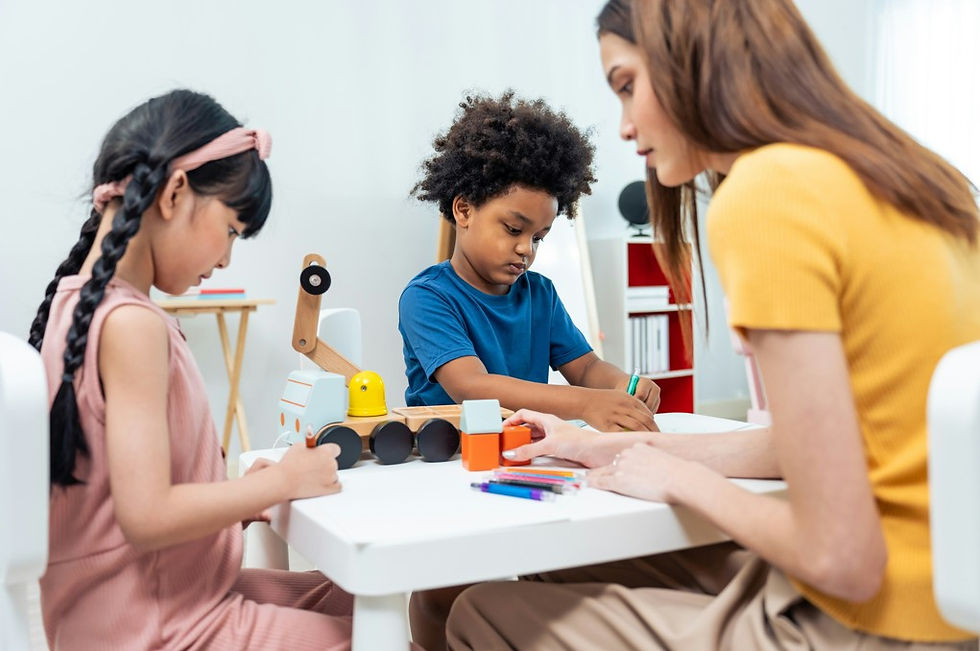
Skills built through everyday goals
When comparing care options, families can ask which everyday abilities a program will target and how it will track progress. ABA therapy for children in Chicago should address a child’s needs, such as asking for help, joining an activity, or following a routine. Clear examples help caregivers discuss goals with clinicians, while regular review shows whether the child uses each skill more independently.
Goals should describe observable actions rather than broad hopes. A clinician can break a complex task into smaller steps, teach each step, and adjust support as the child gains confidence.
Communication that works in context
Communication includes more than speaking. A child might learn to request an item, answer a question, follow a direction, or signal a need in a way other people can recognize. Therapy can teach the form that suits the child, including words, gestures, or another communication method.
Practice should connect communication to real moments. For example, asking for a break during a challenging task gives a child a practical way to express a need. Adults can respond consistently, so the child learns that communication has a clear purpose.
Independence through daily routines
Self-care and household routines give children repeated chances to practice useful skills. Getting dressed, washing hands, putting away belongings, and preparing for bedtime all involve actions that parents can teach in manageable parts.
A caregiver can notice where a task becomes difficult and share that detail with the therapy team. Teaching might start with one step, such as putting shoes in a familiar place, before adding more steps. Gradual practice supports participation without expecting a child to master an entire routine at once.
Practice across familiar settings
A skill learned in one room does not automatically transfer to another setting. A child who takes turns during a therapy activity also needs practice sharing materials with a sibling or peer. Applying a skill with different people and materials helps children learn when to use it.
Caregivers and clinicians can agree on simple ways to prompt and reinforce the same action. When adults use similar cues at home and in therapy, a child gets a clearer chance to recognize the skill in a new situation.
Reinforcement makes learning clear
Positive reinforcement links an action with a response the child finds rewarding. That response could be praise, access to a preferred activity, or another suitable reward. The clinician selects reinforcers based on the child’s interests and the goal being taught.
Timing matters: delivering reinforcement soon after the target action helps the child connect the two. As a skill becomes familiar, the team can adjust prompts and reinforcement. The aim is to support independent use, rather than make the child rely on constant reminders.
Progress measured in daily life
Progress tracking gives families and clinicians a practical way to see what a child can do and where support remains beneficial. Records can note whether a child completes a task independently, responds to a prompt, or uses a skill in different settings.
Regular review helps the team decide whether to continue a goal, change its steps, or teach a related skill. Families can ask for concrete examples of progress and explain whether the same ability appears during daily routines.
Caregiver practice supports carryover
Caregivers do not need to recreate therapy sessions at home. Small, natural opportunities can reinforce a target skill, such as inviting a child to ask for help while getting ready or to put away a toy after play.
Families can tell clinicians which routines feel manageable and which create stress. This feedback helps keep goals relevant to the child’s life and the family’s capacity. Consistent, brief practice fits more easily into daily routines than adding a separate set of demands.
Conclusion
Skills last when children can use them for real purposes and receive consistent support as they practice. Families can help by choosing goals tied to daily routines, asking how progress gets tracked, and sharing what they see at home. If a skill appears only during therapy, the team can plan practice in another familiar setting. That conversation turns progress records into a practical next step toward greater independence.