Finding Calm in a Busy World – Exclusive Interview with Silke Tsafrir
Silke Tsafrir has been interested in psychology and personal development since she was a teenager. However, she initially trained as a foreign language correspondent. During her first pregnancy, she attended a yoga class for the first time and was immediately captivated. Yoga helped her calm her mind while simultaneously building strength and flexibility in her body. Yoga became her direct connection to herself and the first step to change her life.
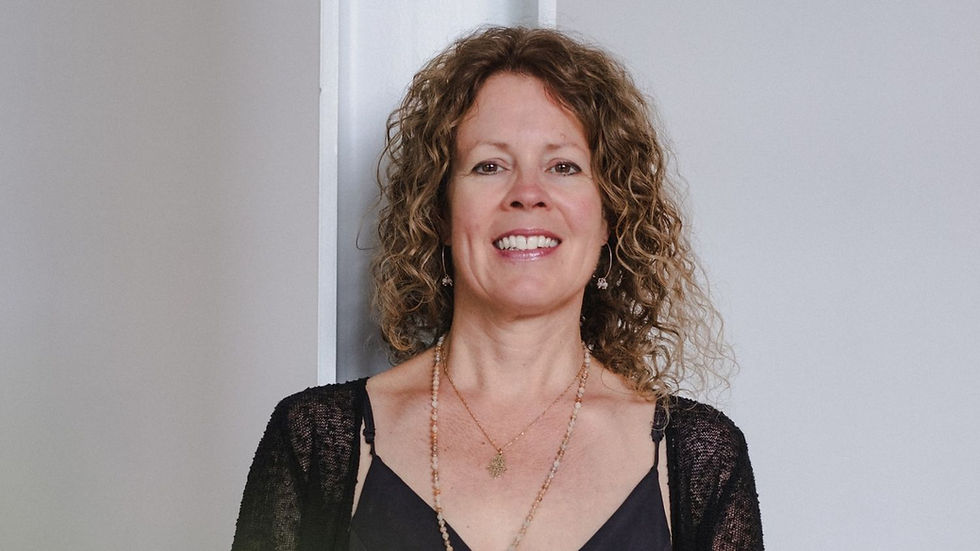
Silke Tsafrir, MBSR, Mindfulness Teacher & Life Coach
Who is Silke Tsafrir?
I’m a mindfulness trainer, MBSR teacher, and coach based in Stuttgart – but before anything else, I’m a mother of three and part of a lively patchwork family. My passions revolve around personal growth, psychology, yoga, and creating spaces where women can reconnect with themselves. I love learning, exploring new ideas, and spending time in nature. Everything I do, personally and professionally, is shaped by a deep belief in compassion, curiosity, and the inner strength we all carry.
What inspired you to start your work with mindfulness, stress management, and coaching at Matte & Stuhl?
My path began in one of the most challenging chapters of my life. After the sudden loss of my brother more than 16 years ago, I felt overwhelmed by anxiety, sleeplessness, and emotional turbulence. Mindfulness was the practice that slowly brought me back to myself. During my first pregnancy, I discovered yoga, and from there, everything unfolded naturally: years of study, deep personal transformation, and ultimately the desire to share what had helped me so profoundly. Matte & Stuhl was born from that mission – to create a space for women to breathe again, rebuild inner stability, and reconnect with their own strength.
What is the biggest misconception people have about stress and mindfulness that you help them overcome?
Many believe that mindfulness is about stopping thoughts or “always being calm.” In reality, mindfulness is the practice of meeting life as it is – the pleasant and the difficult with awareness and kindness. Stress is not the enemy; our resistance to it often is. Once clients understand that mindfulness gives them choice, not perfection, everything shifts.
How do your 8-week MBSR courses help someone reclaim clarity and calm in a hectic life?
The MBSR programme offers a structured, research-based path back to inner balance. Over eight weeks, participants learn to regulate their nervous system, observe their thoughts and emotions with more distance, and respond rather than react. The regular practice creates a noticeable shift: more clarity, emotional resilience, and a sense of groundedness even when life remains busy. It’s not about escaping stress – it’s about changing the relationship to it.
What kind of client changes do you most often witness after your coaching or retreat programmes?
People tell me they feel lighter, clearer, more at home in themselves. I often see clients rediscover their self-trust, reconnect with their needs, and make decisions that truly align with their values. Many experience better sleep, less reactivity, improved communication, and a deeper sense of inner freedom. The biggest transformation is often subtle but profound: they stop feeling like victims of circumstances and start recognising themselves as the creators of their lives.
In what ways do you tailor your approach to those going through major life transitions?
Transitions are tender; they require sensitivity, honesty, and a personalised approach. Whether it’s a job change, an empty nest, or a health challenge, I help clients strengthen their inner stability so they can navigate uncertainty with clarity. We work with mindfulness, mindset tools, emotional processing, and practical strategies. Most importantly, I meet clients exactly where they are – without pressure, without judgment, with full presence.
How does your training in Reiki and mindfulness coaching complement traditional stress-management methods?
Reiki and mindfulness coaching add a holistic dimension to my work. While cognitive tools help people understand patterns, Reiki and somatic practices help them feel grounded and connected in their bodies. Many clients experience deep relaxation, emotional release, or renewed vitality through this blend. It’s a gentle yet powerful bridge between the mind, the body, and the nervous system.
What does “self-determined, mindful living” mean to you, and how do you help someone get there?
To me, it means recognizing that we always have a choice – even in difficult circumstances. A self-determined life is one guided by inner clarity, aligned action, and compassionate boundaries. I support clients in building this by helping them cultivate awareness, understand their patterns, reconnect with their values, and grow emotional resilience. Step by step, they learn to lead their lives instead of being led by stress, expectations, or old habits.
Can you share one simple but powerful daily practice you recommend right away?
Yes, a 2-minute “pause practice.”Sit comfortably, place a hand on your chest or belly, and simply notice your breathing. Feel the inhale. Feel the exhale.
Ask yourself: What is here right now? And what do I need in this moment? This tiny pause interrupts automatic stress patterns and brings you back into presence. Many clients tell me it changes their whole day.
What’s the most common barrier clients face when shifting from “going through the motions” to truly living with awareness, and how do you help them move past it?
The biggest barrier is speed. Many people live so fast that they no longer feel themselves. The nervous system is constantly in “doing mode,” leaving no room for reflection or choice. In my work, we slow down – safely and gently. I teach clients how to regulate their nervous system, connect with their body, and create micro-moments of awareness. Once they feel their own rhythm again, aligned action becomes natural.
If a prospective client feels overwhelmed with no clear next step, what would you encourage them to do, and how can they start working with you?
I would invite them to take one compassionate step: reach out. They don’t need a plan; they only need a moment of willingness. I offer a free initial call where we explore what they’re struggling with and what they need right now. From there, we can decide together whether MBSR, individual coaching, or a retreat is the best support. Overwhelm softens the moment someone feels seen, heard, and not alone.
Looking ahead, what’s your vision for expanding your work at Matte & Stuhl?
My vision is to reach even more people who are ready to live with ease and self-determination. I plan to expand my online offerings, create more themed retreats, and develop specialised programmes for women navigating demanding life phases. I want Matte & Stuhl to remain a sanctuary – both online and in person – where people can reconnect with themselves, rediscover their strength, and build a life rooted in clarity, presence, and inner freedom.
Read more from Silke Tsafrir