Experience Deep Healing with NeuroDynamic Breathwork – An Interview with Therapist Dr. Hanna Lind
- Apr 15
- 5 min read
Updated: Apr 17
Dr. Hanna Lind is a medical doctor and certified NeuroDynamic Breathwork® facilitator dedicated to helping individuals reconnect with their inner intelligence and unlock deep healing. With a background in conventional medicine, she bridges science and holistic practice, guiding clients through transformative breathwork experiences that support emotional release, trauma healing, and nervous system regulation.
Her work is rooted in the understanding that the body holds innate wisdom and a natural capacity to heal. Through her online and in-person sessions, Dr. Lind creates a safe, supportive space where clients can move beyond stress, anxiety, and past trauma, and reconnect with a deeper sense of clarity, self-trust, and inner peace.
Working with clients from ages 18 to 90+, she has witnessed profound transformations – from relief of long-held emotional pain to renewed purpose and connection. Her approach empowers individuals to access their own healing intelligence, rather than relying on external direction, making NeuroDynamic Breathwork® a powerful and accessible tool for personal growth and lasting change.
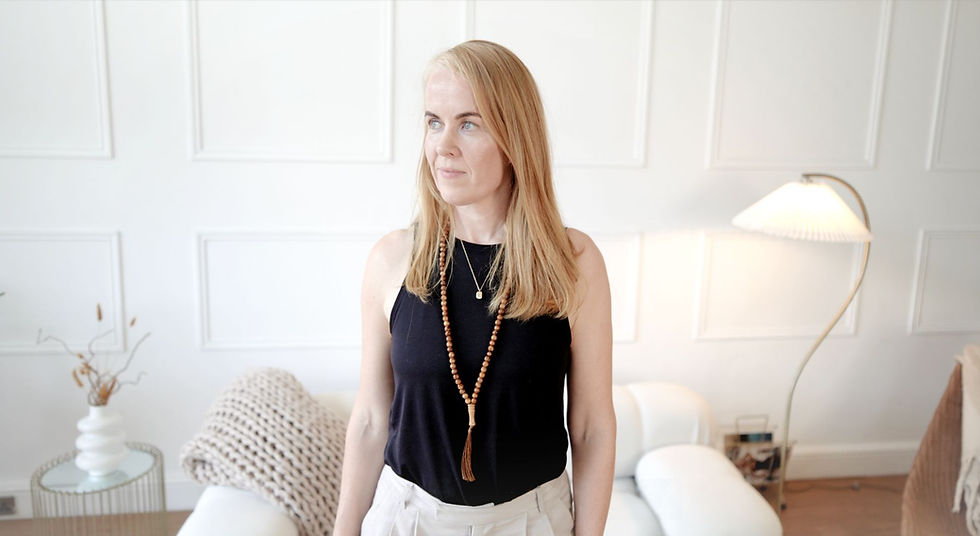
Dr. Hanna Lind, Breathwork Therapist
Who is Dr. Hanna Lind?
Dr. Hanna Lind is a medical doctor turned breathwork facilitator who supports people on their healing journey by integrating science with deep inner work. Her clinical background gives her a grounded understanding of the body and nervous system, while her work in NeuroDynamic Breathwork® focuses on helping clients access their inner guidance and release stored emotional and physical tension.
Through her sessions, she creates a space where individuals can move beyond overthinking and reconnect with their body, emotions, and intuition – supporting lasting transformation rather than temporary relief.
What inspired you to specialize in NeuroDynamic Breathwork, and how does it benefit your clients?
I was drawn to NeuroDynamic Breathwork® because it offers something both profound and accessible – it allows people to access deep healing without perhaps needing years of therapy or external intervention.
What makes it so powerful is that it works with the body’s natural intelligence. When we quiet the mind through breath and music, we can access an expanded state of awareness and connect to an inner guidance system that already knows what needs to be healed.
The benefits I see in my clients are wide-ranging. Many experience relief from anxiety, trauma, and emotional stress, while others report increased self-awareness, clarity, and connection to themselves and others. Research from NeuroDynamic Breathwork participants shows:
89% report relief from anxiety
84% report trauma relief
75% gain greater access to inner wisdom
What I find most inspiring is that this work is truly for everyone – I work with clients from 18 to 90 years old, and each person can access transformation in their own way.
What key transformation can clients expect from engaging in your breathwork sessions?
The core transformation is a shift from being led by the mind to being guided from within.
Clients often come feeling stuck – whether in patterns of anxiety, emotional pain, or disconnection. Through breathwork, they begin to release stored tension and suppressed emotions, creating space for clarity, calm, and self-trust.
Over time, many experience:
Deep emotional release and trauma processing
A quieter mind and increased presence
Greater connection to their body and intuition
Improved relationships and sense of purpose
With consistent practice, breathwork strengthens the connection to this inner intelligence, allowing clients to access guidance and make aligned decisions in their daily lives.
What makes NeuroDynamic Breathwork different from other wellness practices available today?
What makes NeuroDynamic Breathwork® unique is that it is entirely guided from within.
Unlike many practices where the facilitator directs the experience – through visualisation or instruction – this approach trusts that each person already holds the answers they need. The facilitator simply creates the space; the breath does the work.
The foundation of this practice is the belief that everyone has an “inner guiding intelligence for healing” that naturally moves toward healing, integration, and wholeness.
This means:
There is no “right” experience
No external direction of what you should feel
No imposed narrative
Instead, clients learn to trust themselves, reconnect with their intuition, and remember their own capacity to heal.
What challenges do clients commonly face before starting breathwork, and how do you help them overcome them?
The two most common fears are at opposite ends of the spectrum:
“What if nothing happens?” Many people worry they won’t feel anything or that it won’t work for them. I explain that even subtle experiences – like feeling calmer or more present – are part of the process. Often, once they let go of expectations, the experience naturally deepens. This can also be linked to broader fear of disappointments and failure.
“What if it’s too overwhelming?” Others fear that too much will come up or that it could be retraumatising. In reality, the body’s inner intelligence tends to bring up only what is ready to be processed and only what you are ready to let go of.
I emphasise:
You are always in control
You can slow your breath at any time
Safety is always the priority
Creating a safe, supportive space and educating clients beforehand helps them feel grounded and open to the experience.
What are the core principles behind NeuroDynamic Breathwork that help promote healing and emotional release?
The practice is built on a few key principles:
Inner Intelligence: The body and mind naturally move toward healing when given the space and we are open to surrender to it
Emotional Expression: Emotions are signals that something is ready to be released, not suppressed
Integration & Wholeness: Just like the body heals a wound, the psyche can process and integrate past experiences
Going Through, Not Avoiding: True healing comes from allowing emotions to be felt, rather than bypassed
By following these principles, breathwork enables deep emotional release, restores personal power, and supports lasting transformation.
What advice would you offer someone hesitant to try breathwork but is interested in personal growth?
Start with curiosity, not expectation.
You don’t need to understand everything before you begin – you just need to be open to the experience. Breathwork meets you exactly where you are, whether you’re looking for stress relief, emotional healing, or deeper self-connection.
My advice would be:
Come to my online or in-person class
Let go of needing a specific outcome
Trust your body – it knows what to do
Often, the biggest shift happens when you simply allow yourself to experience rather than control.
What has been the most rewarding experience for you as a practitioner of NeuroDynamic Breathwork?
The most rewarding part is the humility that comes from witnessing transformation.
Being trusted by clients to hold space for their healing is something I never take lightly. Watching someone move through pain, reconnect with themselves, and step into a new way of being is incredibly powerful.
It’s not about me “fixing” anything – it’s about holding space while they access their own healing. And that, every time, is deeply moving.
Learn more and join me here.
Read more from Dr. Hanna Lind