Elevating Leadership from Within – Exclusive Interview with Matt Patterson, Founder of Érdem Elevate
Matt Patterson is the founder and sole coach of Érdem Elevate, a performance coaching brand built on the belief that leadership begins with self-mastery. His work integrates fitness, mindset, and leadership into one disciplined operating system, designed for high-performing professionals who demand more from themselves and their lives.
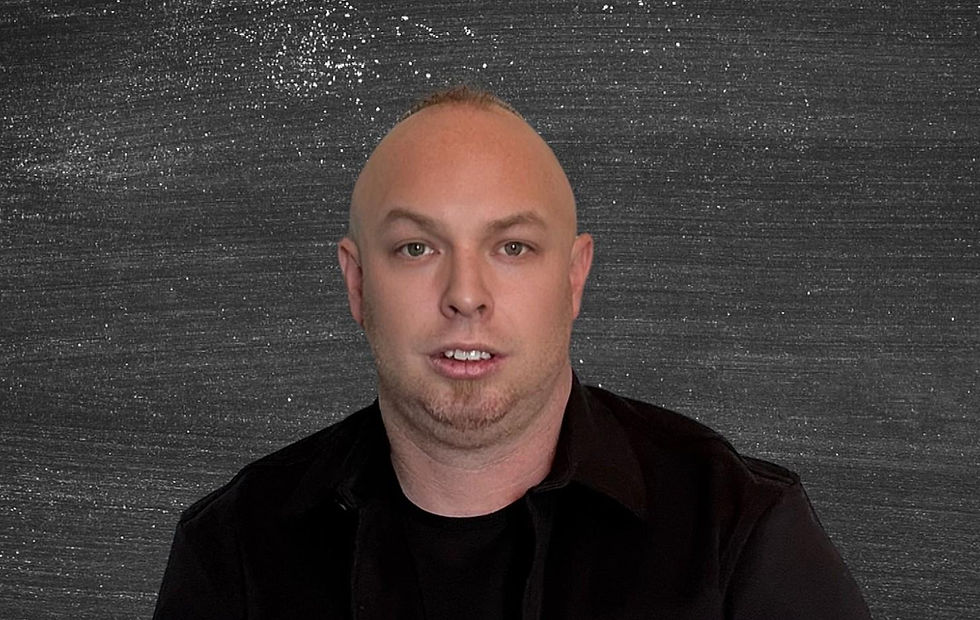
Matt Patterson, Owner Operator, Coach
Who is Matt Patterson? Introduce yourself, your hobbies, your favorites, you at home and in business, and tell us something interesting about yourself.
When I’m not coaching or posting, my days are quiet but full. I’m constantly planning what’s next, new projects, better systems, and ways I can improve how I serve my clients. As a sole proprietor, I’m involved in everything, strategy, execution, and daily operations. There isn’t much separation between thinking and doing for me. I’m always refining something.
One thing people often misunderstand about me, something my wife sees more clearly than I do, is my confidence. At first, it can come across as arrogance, which I genuinely hate. That’s never been my intention. What drives me is ambition rooted in self-improvement. I want to be better in every area of my life, and I want the people around me to grow and win too. That’s where my confidence comes from, not ego, but commitment.
At home, I live in a relationship built on partnership. I lead through service. Being the head of the household doesn’t mean control, it means responsibility. I invest time into supporting my wife, not just as my spouse, but as a person. That same servant leadership mindset carries directly into my business. I don’t separate who I am at home from who I am in my work.
What doesn’t fit the high-performance coach stereotype is that I’m not loud or high-energy all the time. I don’t rely on hype or constant intensity. I’m actually quiet, reflective, and structured. I think a lot, I plan a lot, and I spend a lot of time alone refining systems. I’ve learned that my best work, and the best results, come when things are calm and intentional, not chaotic. Most people assume high performance requires noise. For me, performance improves when there’s clarity and order.
What inspired you to create Érdem Elevate, and what does the name truly represent to you?
Right before Érdem Elevate existed, I was running a different business, Patterson Health and Fitness. On paper, things were fine. Internally, I knew it wasn’t enough. What I wanted to say, and what I believed mattered, had outgrown a fitness-only container.
It stopped being just about workouts and nutrition. I started noticing a deeper problem everywhere I looked, especially in corporate environments. Across industries, there was a massive lack of real leadership. People were chasing titles instead of responsibility. Leaders were protecting themselves instead of developing their people. Lower management and employees were left confused and burned out, not because they couldn’t handle the work, but because no one had ever shown them the mission.
Most companies talk about culture, but very few actually build it. There are no clear values, no leadership development, no standard people can align to, and then leadership is shocked by high turnover. The truth is, most organizations don’t lose people because of workload. They lose them because there’s no direction and no leadership worth following.
It wasn’t that what I was doing was unsustainable, it was incomplete. I knew that if I stayed complacent, I’d be ignoring a bigger responsibility.
At first, I thought the problem I wanted to solve was the culture inside companies. Over time, I realized something deeper. How someone leads others is a direct reflection of how they lead themselves. The way you take care of your body. The way you handle pressure. The way you lead your family. That’s how you lead in business.
You can’t lead anyone if you can’t lead yourself first.
Érdem represents merit, which is earned through discipline and action. Elevate reflects the standard I expect people to rise to. Érdem Elevate was built to develop people from the inside out, so leadership isn’t just a concept, but a lived standard.
Who do you most love helping, and what challenges are they usually facing when they come to you?
The people I work best with usually look successful on the outside, but they’re being shaped by their environment instead of leading themselves. Over time, that almost always leads to burnout. They don’t know how to recover, not because they’re weak, but because they don’t have systems.
Many of them also struggle to define what success actually looks like. No one ever showed them how. They’ve been working hard, checking boxes, and meeting expectations without a clear mission or standard to align to.
Most come to me thinking the issue is physical, and the body usually does need attention. But the deeper issue is mindset and how they operate day to day. They’re living reactively, not intentionally, and they aren’t actually working on themselves.
In many ways, they remind me of who I was before the Marine Corps. No clear direction, just living life the way society laid it out. Most people don’t realize how capable they are because no one ever told them the truth. They’re worth far more than the level they’ve been operating at.
That belief alone doesn’t change anything, though. The work still has to be done. No one else will do it for you. Once people are given structure and standards, they rise quickly.
In simple terms, how do you help your clients create real and lasting change?
I help people create change by giving them structure where they’ve been relying on effort alone.
Most of my clients aren’t short on drive. They’re short on systems. They’ve been pushing through days, reacting to their environment, and hoping consistency shows up on its own. That approach eventually leads to burnout or frustration.
I slow things down. We clarify what matters, define standards, and install simple, repeatable systems. The body is often the entry point because physical discipline builds momentum fast. The goal is learning how to lead yourself.
When structure is in place, consistency stops being a struggle. Action becomes automatic instead of emotional. Over time, that consistency rebuilds confidence because they see proof they can follow through.
What makes your approach different from others working in the same space?
Most people already know what they should be doing. The problem is that they don’t have a structure that allows them to do it consistently when life gets busy or stressful.
I don’t rely on motivation or hype. I focus on how someone actually operates day to day, how they train, how they eat, how they recover, and how they respond when things go off plan.
I also don’t avoid the emotional side. Early on, we identify what’s really driving their behavior, frustration, guilt, pressure, or disappointment. When people see that connection, their reaction changes. They stop defending habits and start taking ownership.
I don’t separate fitness from life. The way someone treats their body is usually how they show up at home and at work. If there’s chaos there, it shows up everywhere.
I stay involved. I pay attention to patterns and fix systems before small slips turn into setbacks. I’m not here to motivate someone for a week. I’m here to help them become consistent and self-led long-term.
Can you describe a breakthrough moment you frequently see clients experience when working with you?
The breakthrough usually shows up quietly.
It’s when clients stop complaining about sleep or circumstances and start getting frustrated that they missed a workout or didn’t hit their macros. That shift tells me everything. It means they’re invested in improving themselves.
It’s never a physical win first. It’s a mental shift.
They start asking different questions. Instead of why something happened, they ask how to prevent it next time. That’s when systems matter. Because this moment is common, I already have structures built to support it.
From there, old habits lose their grip and sustainable habits take over.
How does your work help people move from feeling stuck to feeling confident and empowered?
Most people feel stuck because they don’t trust themselves anymore. They’ve broken promises to themselves long enough that confidence eroded.
One of the biggest lessons that shaped my coaching came from Andy Frisella. The work comes before the belief. That’s absolutely true.
I don’t try to give people belief first. I start with action. Clear standards, structure, and non-negotiables. Once they show up consistently, belief builds naturally.
Empowerment shows up in behavior. They take ownership, adjust instead of quitting, and stop reacting emotionally. Confidence is earned through action.
What role do mindset, discipline, and self-belief play in the transformations you help create?
Mindset comes first, but not in the way most people think. It starts with awareness and ownership.
Discipline is built, not demanded. Without reflection and structure, life turns into chaos. People move reactively without development.
Structure creates repetition. Repetition builds discipline.
Self-belief comes last. The work always comes before the belief. Confidence is built during the process, not before it. You can’t skip that phase. You earn belief through action over time.
How do you support clients in turning clarity into consistent action and results?
Clarity doesn’t mean much unless it leads to action. Once someone is clear, I remove ambiguity.
I simplify priorities, set standards, and build systems around real life, not perfect conditions. When something slips, we fix the system instead of blaming the person.
Over time, friction decreases, decisions get easier, and results become predictable.
What kind of transformation can someone expect if they fully commit to working with you?
If someone fully commits to working with me, the biggest transformation isn’t just physical.
They become more disciplined, more intentional, and more self-aware. They trust themselves because they’ve proven they can follow through.
I don’t promise easy. I help people move from chaos to structure and from drifting to direction.
What is the biggest mistake you see people making before they seek support or guidance?
The biggest mistake I see is waiting too long and misunderstanding what support actually means.
I’m not talking about encouragement from family or friends. I’m talking about structured guidance, accountability, and outside perspective.
Most people wait because they think they should figure it out alone. By the time they reach out, they’ve repeated the same cycles for years.
Seeking support isn’t a weakness. It’s a responsibility.
For someone reading this who feels called to more but is hesitating, what would you want them to know?
Clarity doesn’t come from waiting. It comes from action.
You don’t need to feel ready. You need to be willing to hold yourself to a higher standard and do the work.
If you feel called to more, don’t ignore it. That feeling doesn’t go away. It gets louder until you answer it.
You don’t need permission. You need a decision.
Closing call to action.
If anything in this interview resonated with you, start by paying attention to how you’re operating day to day. If you want to explore these ideas further or have an open conversation about where you’re at and where you want to go, I’m always open to that. My work through Érdem Elevate is centered on building structure, discipline, and self-leadership from the inside out. You can learn more or reach out to work with me at my website.
Read more from Matt Patterson