

Dmitriy Misarenko and the Power of Building the Right Structure
Success stories often focus on big wins. Dmitriy Misarenko sees things differently. He believes lasting success comes from building systems that work over time.
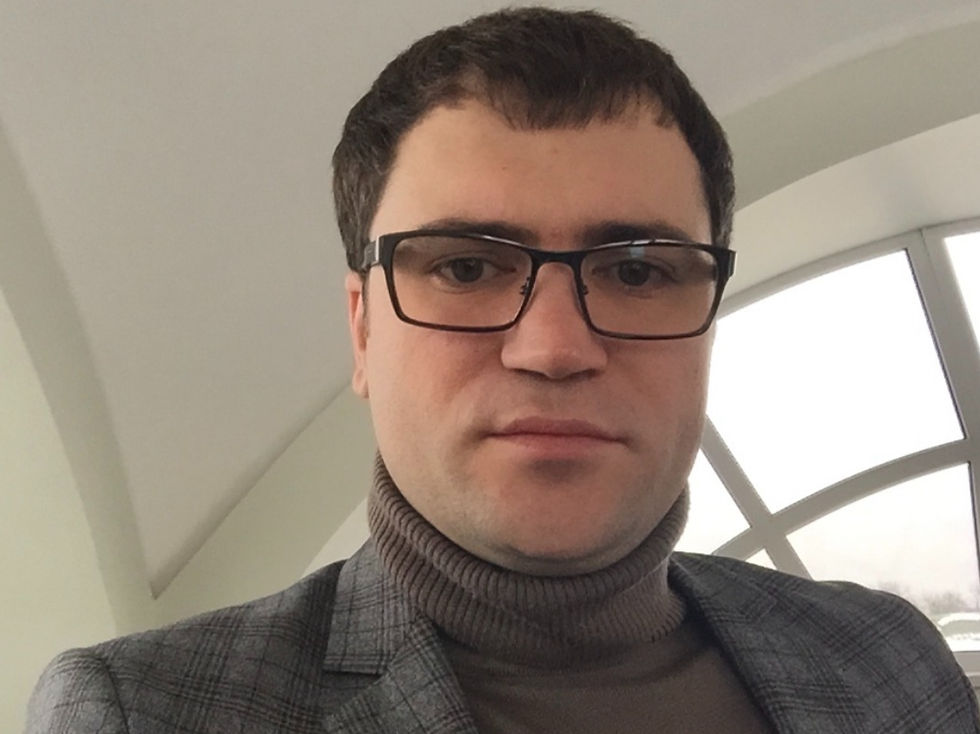
That mindset has guided his career for more than 15 years across banking, e-commerce consulting, and international business operations. From his early days in Ukraine to advising businesses across Europe and helping entrepreneurs navigate international relocation and business structuring, Misarenko has built his career around one idea: strong foundations create long-term results.
“Success is having control over how you live and work,” he says. “It’s about building things that actually function without constant stress.”
How Dmitriy Misarenko developed a global business perspective
Misarenko grew up in Mykolaiv, Ukraine, where he attended an economics-focused high school. Long before entering the business world, he spent years as a competitive swimmer.
Between the ages of 7 and 14, he competed at a high level, earning prize placements in Ukrainian championships and achieving his first adult-level sports ranking.
The experience taught him lessons that would stay with him throughout his career.
“A lot of people start strong,” he says. “Very few stay structured long-term.”
After high school, he continued his education at D. A. Tsenov Academy of Economics in Bulgaria. There, he earned degrees in Accounting and Control as well as International Economic Relations. After graduation, he returned to Ukraine and completed military service.
The combination of sports, academics, and military discipline helped shape his practical approach to problem-solving.
From banking to entrepreneurship
Misarenko began his professional career in banking, working with institutions like Raiffeisen Bank.
The experience gave him a close look at financial systems, operations, and the challenges businesses face when navigating changing economic environments.
But after several years in banking, he became interested in building something of his own.
In 2017, he and his brother co-founded two Poland-based consulting firms. Their work focused on helping businesses improve strategy, brand development, fulfillment operations, HR outsourcing, and marketing research and analysis.
The companies worked with clients across Europe, helping them build stronger operational structures and scalable business systems.
“You need to see the bigger picture,” Misarenko says. “But you also need to pay attention to details, especially in legal and financial matters.”
What cross-border business taught Dmitriy Misarenko
Working across multiple countries gave Misarenko valuable insight into how different systems operate.
It also created challenges. Different regulations, banking requirements, legal frameworks, and business environments often required new approaches.
“Different countries operate differently,” he explains. “You can’t always force one system to work everywhere.”
One experience became especially important in shaping his business philosophy.
Early in his entrepreneurial journey, he relied heavily on a business structure that eventually became inefficient. Instead of making temporary adjustments, he chose to rebuild the system completely.
“Trying to patch problems piece by piece usually creates more pressure later,” he says. “Sometimes you need to step back and create a stronger structure from the beginning.”
The experience reinforced his belief that adaptability is often more important than persistence alone.
Why international relocation and business structuring matter
As global mobility increased, Misarenko noticed a growing trend among entrepreneurs and business owners.
Many were looking beyond traditional business consulting. They wanted guidance on where to live, how to structure operations internationally, and how to evaluate different jurisdictions.
Today, part of his consulting work involves helping clients navigate international relocation and business structuring decisions.
His focus includes practical considerations such as legal documentation, infrastructure, residency processes, international schools, security, quality communities, and long-term stability.
“My role is practical consulting,” he says. “People want realistic information. They want to understand how things actually work before making important decisions.”
Rather than focusing on theory, he prefers helping people understand real-world challenges and opportunities.
The leadership philosophy behind Dmitriy Misarenko’s career
Throughout his career, Misarenko has remained focused on clarity, discipline, and consistency.
He believes many professionals spend too much time waiting for ideal conditions instead of making steady progress.
“When something goes wrong, I focus on facts first,” he says. “What’s happening, why, and what can be done next.”
He also places a high value on continuous learning.
“Learning isn’t something separate,” he explains. “It’s part of everyday work. You either stay updated or you fall behind.”
For Misarenko, success is not defined by rapid growth or public recognition. It is measured by sustainability.
“Without balance, everything eventually breaks,” he says. “Work is important, but if it affects your health or your family, it’s not sustainable.”
That perspective has helped guide a career built across industries, countries, and changing markets.
Looking back, the common thread is clear. Whether in banking, consulting, international business, or relocation advisory services, Dmitriy Misarenko has consistently focused on bringing practical ideas to life through structure, adaptability, and long-term thinking.
For him, the goal has never been chasing the next trend. It has been building systems that continue to work when circumstances change.






