Beyond Success and Survival – Exclusive Interview with Tiffani Wadley on Trauma Healing
Success and ambition do not always reveal the emotional struggles beneath the surface, as unresolved trauma can continue to shape behavior, relationships, and personal well-being. Through Ridge Creek Therapy, a trauma-focused practice offering eye movement desensitization and reprocessing (EMDR) intensives, its founder helps individuals understand how past experiences influence their present lives and find healing without sacrificing their ambition or sense of self.
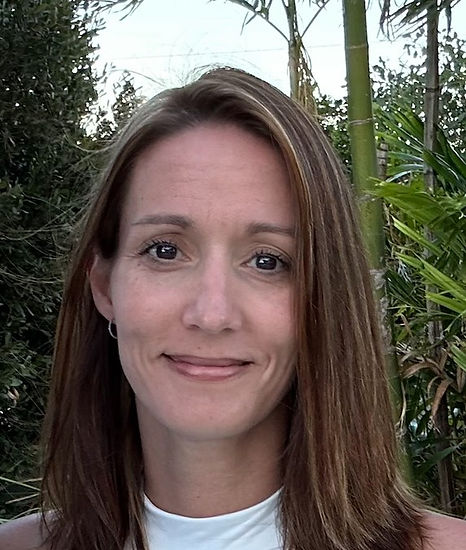
Tiffani Wadley, Founder & Trauma Therapist
What inspired you to establish Ridge Creek Therapy, and what did you want to do differently in your approach to trauma treatment?
My interest in trauma work started long before I became a therapist. Growing up, I saw how much trauma affected people in my extended family. These were people who were funny, kind, and had so much to offer, but some struggled with addiction, holding down jobs, or simply getting through each day. I also saw other family members take difficult experiences and use them as motivation to build something different. Seeing those different paths stayed with me.
I never wanted people to believe that because something awful happened to them, they were permanently damaged. People can develop incredible strengths from what they've experienced. But they shouldn't have to keep carrying the pain or reacting as though those experiences are still happening.
I opened Ridge Creek Therapy because I wanted more freedom in how I practiced. I wanted to offer longer sessions when clients needed them, without having treatment decisions dictated by insurance requirements. At the same time, accessibility matters to me. Not everyone who needs therapy has the financial means to pay privately, and I don't want cost to be the reason someone can't get help.
Finding a balance between clinical independence and making care accessible is important to how I run my practice. Ultimately, I want people to recognize that they can keep what they've learned from their experiences without having to keep carrying everything that came with them.
Why do successful, capable individuals sometimes struggle to recognize that their emotional patterns may be connected to past experiences?
I think there's a difference between knowing you've experienced trauma and recognizing how much of your life it's been affecting.
Some people come into therapy knowing exactly what they need to work on. They've pushed things down for years, and they're finally ready to address them. I see this frequently with clients seeking eye movement desensitization and reprocessing (EMDR) intensives. They know what happened was traumatic, but they don't necessarily recognize how much they've been carrying or how many areas of their lives it's affected.
Other people come in because something keeps happening. Maybe they're having the same problems in relationships, at work, or in school. They'll say, "This keeps happening, so I know I'm part of the problem. I just don't understand why."
Sometimes people have checked all the boxes. They have the career, the family, the accomplishments. They feel like they should be happy, but they're not.
As we start exploring, we sometimes find connections to experiences they hadn't considered traumatic. Being successful doesn't mean someone isn't struggling. Knowing you have trauma doesn't necessarily mean you understand all the ways it's showing up in your life.
How can you tell when someone's drive to succeed has become a way of coping with unresolved emotional distress?
My first question would be, "Do we actually need to know?" If someone is ambitious, successful, and genuinely enjoying their life, why would we assume their drive is a problem? Even if some of that ambition developed because of difficult experiences, that doesn't automatically mean we need to change it.
I become interested when the way someone is living starts interfering with what they actually want their life to look like.
I've worked with people who have built hugely successful businesses, reached the top, and then realized, "Well, that didn't do what I thought it would." They've accomplished everything they set out to do, but something still feels missing.
Some people recognize that their drive comes from their past, and they're perfectly happy to keep using it. That's their choice.
Others want to slow down or take a different path, but they feel like a failure if they do. They feel obligated to keep maintaining something that's costing them more than they want to give.
I'm not trying to make someone less ambitious. I want them to figure out what they genuinely want and feel free to pursue it.
What do you think is most misunderstood about trauma in people who appear to be functioning well in their everyday lives?
I think people misunderstand both what counts as trauma and what trauma can look like. I've had clients tell me some pretty awful stories and then say, "But that's normal." Sometimes my response is, "No, ma'am, it is not."
When something has been part of your life for a long time, you don't always recognize how much it's affected you. People can run businesses, raise families, accomplish amazing things, and still experience anxiety, panic, overwhelm, or other reactions they've become really good at pushing down. From the outside, everything looks fine.
Something I tell clients is that if an experience still bothers you or makes your body go "yuck" when you think about it, there may be something worth exploring.
What happens when you bring up that memory? Does your chest tighten? Does your heart start racing? Do you cry, shut down, avoid talking about it, or feel the need to numb yourself?
We're not trying to get rid of sadness. Some things are genuinely sad, and people should be allowed to feel sad about them.
What we're working on is reducing those heightened emotional and physical responses so the memory no longer takes over when it comes up.
What do people most commonly misunderstand about trauma and what it means to heal?
I think people sometimes expect healing to mean they're completely finished and nothing will ever bother them again. I'm not sure that's how life works.
People sometimes return to therapy because something new has happened and brought up a reaction they didn't realize was still there. That doesn't mean the work they did before wasn't successful.
For me, the better question is whether someone has reached a place where their past isn't continually hijacking their present.
Can they bring up a memory without becoming overwhelmed? Can they make decisions because that's what they actually want, rather than because they feel like they have to?
We often see changes in relationships, too. People start recognizing what they want and need, understanding why those things matter to them, and becoming more comfortable asking for or accepting them. They can show up as themselves instead of automatically responding from old patterns.
Healing doesn't mean forgetting what happened. It doesn't mean never feeling sadness, anger, or disappointment again.
It means those experiences don't have to keep deciding how you live your life. You can get to a place where you're doing well and don't need to keep coming back to therapy, even if there's more to explore someday.
What makes EMDR intensives a valuable treatment option for some individuals, and how do you determine whether the format is appropriate?
One of the things I love about EMDR intensives is having uninterrupted time to really work through things. In weekly therapy, someone may finally start making meaningful connections, and then we're watching the clock because the session is almost over. An intensive gives us the time to explore what's coming up, sit with those discoveries, and continue processing without feeling rushed.
I've seen clients come into intensives knowing they've experienced trauma but not realizing how much they've been carrying. As we work through those experiences, they often begin to understand connections they hadn't recognized before. Things that once felt confusing start making sense.
Preparation is an important part of the process. I want clients to feel supported and have the resources they need to engage in the work, so we determine together whether an intensive is the right fit or whether some additional preparation would be helpful.
What I find especially meaningful is the relief that can come from this work. Memories that once brought intense emotional or physical reactions may begin to feel less overwhelming. The body doesn't have to keep responding with the same level of alarm.
There's something incredibly freeing about understanding what you've been carrying, processing it, and realizing you don't have to keep carrying it in the same way.
How do you help clients distinguish between patterns that once protected them and patterns that may no longer serve them?
We start with what's bothering them. What isn't working anymore? What's taking more from them than they're willing or wanting to give?
Then we start digging into the why. Why do they respond that way? What makes them see a situation through that particular lens? Why do they talk to themselves the way they do?
Often, when we follow those questions, we find a string that leads back to earlier experiences or parts of themselves that learned to use those strategies for a reason.
Maybe being responsible for everything helped them feel safe. Maybe staying busy kept them from having to feel something painful. Maybe being fiercely independent was necessary because they couldn't rely on anyone else.
Those strategies may have been incredibly useful at one point. I don't think we need to criticize them or treat them as something wrong with the person. We can recognize why they developed, appreciate what they did for them, and then ask whether they're still needed in the same way.
Sometimes it's about thanking those strategies for getting us through what we needed to get through and then figuring out what would work better now.
How have your personal and professional experiences shaped the way you approach clients and understand their needs?
I've always been curious about why people do what they do. I love a good puzzle, and understanding how someone's experiences connect to the way they think, feel, and respond is something I genuinely enjoy.
Being a mother, including my experiences with foster care and adoption, has also shaped how I see people. You learn pretty quickly that not everyone starts with the same tools. Not everyone has the same support, resources, or a safe place to land when life gets hard.
Having kids humbles you. You realize you can't do everything, and sometimes you have to figure out what "good enough" looks like for that particular day.
I think people are capable of handling far more than they realize, but that doesn't mean they should have to keep taking on more.
Sometimes clients need help understanding why they're doing something. Sometimes they need to hear that it's okay to want something different. Sometimes they just need someone to be there and let them know they're seen.
I also have those moments when I give a client really good advice and then think, "Well, damn. I should probably take that advice myself." We're all learning as we go.
What is one thing you wish high-achieving individuals understood about healing without giving up their ambition?
You've built a life that may be pretty amazing. But what happens when you're exhausted from maintaining it? I want people to understand that everything they've learned while building that life doesn't suddenly disappear because they decide they want something different.
The skills are still there. The knowledge is still there. The things that helped them become successful don't just go away because they stop pushing themselves in the same way.
Healing is about learning more about yourself and figuring out what you want and need now. That isn't always easy work. If it were, most people probably would've already done it.
Sometimes you discover that you love the life you've built and want to keep doing exactly what you're doing. Wonderful. Other times, you realize you're ready for something different.
You don't have to give up ambition to heal. You get to decide whether that ambition still serves you, whether you want to use it differently, or whether there's another path you'd rather follow.
The point isn't to become someone else. It's to have the freedom to decide who you want to be and what you want your life to look like.
Read more from Tiffani Wadley