Age, Menopause and Mental Wellbeing at Work – Why Employers Must Rethink Everything
Updated: Sep 8
Suzi Rose is a specialist oncology pharmacist and certified menopause coach. She is the founder of The MenoPharm, a pharmacist-led menopause coaching service that empowers women to navigate hormonal change with clarity and confidence.

Menopause is far more than a brief phase later in life, yet outdated stereotypes continue to shape how workplaces understand and support women experiencing it. This article explores the often overlooked mental, physical, and professional impact of perimenopause and menopause, and why personalised, clinically informed workplace support matters.
The menopause myth that’s holding women back
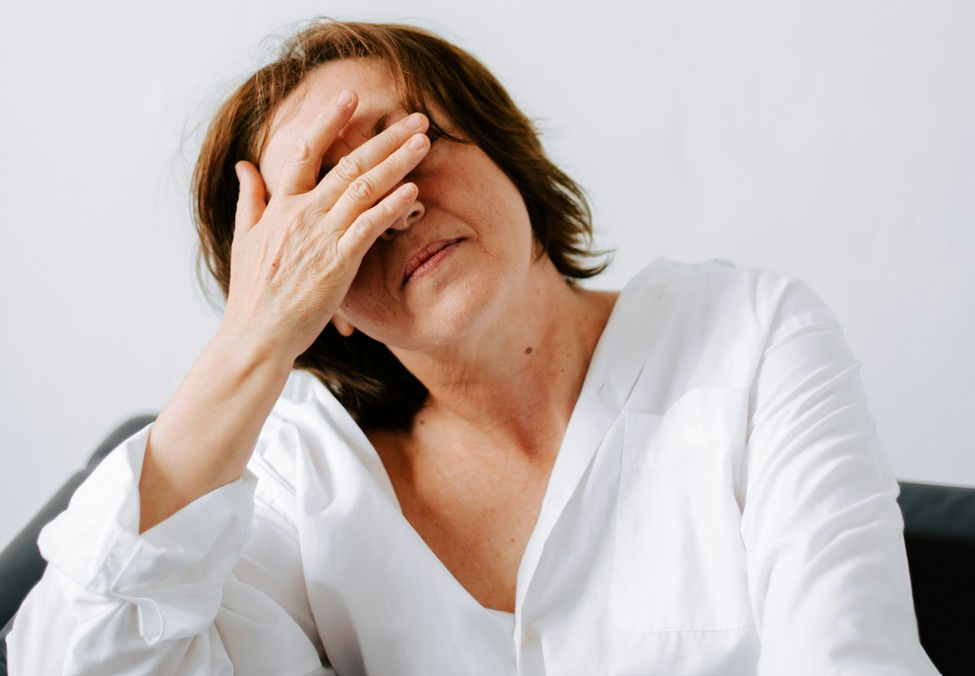
When workplaces picture menopause, they often imagine a woman in her mid 50s, slowing down, fanning herself, perhaps looking tired. You don’t need a research paper to see how deeply this stereotype is embedded, just Google “menopausal woman.” The images show grey-haired, older women wrapped in blankets or clutching fans. This narrative is not only outdated, but it is also clinically inaccurate.
Menopause is one day: the day after a woman has gone 12 consecutive months without a period. The real impact lies in the 7 to 10 years before that day, when perimenopause symptoms begin, and the years after, when symptoms may persist.
This means women in their early 40s, and often late 30s, are already experiencing significant hormonal changes that affect mental wellbeing and workplace performance. Yet these women remain invisible in workplace policies, imagery, and culture.
The mental health reality: A neuroendocrine transition
Menopause is not a psychological event, it is a neuroendocrine transition. Fluctuating oestrogen, progesterone, and testosterone affect:
Serotonin regulation – increased anxiety
Sleep architecture – fragmented sleep and emotional vulnerability
Prefrontal cortex functioning – brain fog, word-finding difficulty, slower processing
These changes are measurable, predictable, and clinically recognised.
The data is clear:
Seventy-three percent of working women aged 40 to 60 experience menopause symptoms (Chartered Institute of Personnel and Development (CIPD) 2023).
Symptoms strongly associated with mental wellbeing include anxiety, low mood, sleep disturbance, cognitive impairment, and loss of confidence.
The Department for Work and Pensions (DWP) 2025 evidence review confirms menopause can impair confidence, wellbeing, and, though less often, job performance.
1 in 10 women leave the workplace due to menopause symptoms (All-Party Parliamentary Group (APPG)/CIPD).
These are not “soft issues.” They are workforce issues.
The symptoms no one talks about, but every workplace must understand
Heavy, unpredictable bleeding: Perimenopause often brings erratic cycles and heavy menstrual bleeding. Women describe bleeding through clothes during meetings, needing to leave work abruptly, or feeling constant anxiety about access to toilets. This is not a minor inconvenience, it is a major psychological burden that affects confidence and participation.
Musculoskeletal pain: Hormonal changes affect collagen and joint stability. Many women experience joint stiffness, frozen shoulder, back pain, and reduced mobility. These symptoms directly impact comfort, productivity, and mental wellbeing, yet they are rarely acknowledged in workplace policies.
Cognitive changes that affect visibility and confidence: Brain fog and word-finding difficulty don’t just affect memory, they affect credibility. Women describe losing their train of thought mid-presentation, forgetting key points during pitches, stumbling over familiar words, blanking in high-pressure meetings, and avoiding speaking up due to fear of “freezing.” These symptoms strike hardest in moments when women need to appear sharp and authoritative. For senior women, this can be devastating.
The midlife pressure sandwich
Alongside hormonal change, many women are navigating ageing parents needing care, teenage children facing exam stress or mental health challenges, empty nest transitions, relationship changes, and financial pressures. This combination creates a mental load younger generations don't experience.
Why one-size-fits-all mental health support fails
Generic mental health strategies assume symptoms are psychological. Menopausal symptoms are biopsychosocial, hormonal, cognitive, emotional, and contextual. Younger employees may face burnout or stress. Menopausal women face all of that plus cognitive changes, sleep disruption, vasomotor symptoms, urogenital symptoms, heavy bleeding, musculoskeletal pain, ageist stereotypes, fear of stigma, midlife caregiving pressures, and relationship strain.
This is why menopause must be treated as a distinct mental wellbeing category, not folded into general mental health provision.
Menopause action plans: Now a legal requirement
From Spring 2027, under the Employment Rights Act 2025, large employers (250+ employees) must publish a Menopause Action Plan. This marks a shift: menopause support is now a formal workplace responsibility, not a discretionary wellbeing initiative. But action plans alone are not enough. Without clinical depth, manager training, and cultural change, they risk becoming tick-box exercises.
What effective support looks like
Evidence-based adjustments: flexible start times, temperature control, quiet spaces for cognitive reset, hybrid working options, review of meeting culture, and access to specialist menopause support.
Manager training: managers must understand the biopsychosocial nature of symptoms, how symptoms present in meetings and deadlines, how to hold sensitive conversations, and how to create psychological safety.
A personalised approach: The missing piece
Signposting women to a webinar is a start, but it is not enough. Every woman experiences menopause differently. Every woman carries a different life load. Every woman needs a tailored approach.
Specialist menopause coaching
Working with a credible health professional, such as a pharmacist-led menopause coach, provides personalised discussion of hormonal and non-hormonal treatments, guidance on supplements and lifestyle interventions, tailored strategies for cognitive symptoms, sleep, musculoskeletal pain, and heavy bleeding, support in navigating workplace conversations, and advocacy when women feel unable to speak up themselves.
This nuanced approach is the most effective way to keep experienced, highly skilled women thriving in the workplace.
Organisations have a unique opportunity to move beyond compliance and create truly supportive, clinically informed environments. The most powerful step of all is personalised support, because no two women experience menopause the same way.
For personalised workplace menopause coaching or organisational support, connect with Suzi Rose on LinkedIn.
Read more from Suzi Rose
Suzi Rose, Menopause Coach & Specialist Oncology Pharmacist
Suzi Rose is a specialist oncology pharmacist and certified menopause coach with over two decades of clinical experience. Working in breast cancer services, where many women experience treatment‑induced menopause, inspired her to deepen her menopause expertise and support women through this transition with clarity and compassion. She is the founder of The MenoPharm, a pharmacist‑led menopause coaching service dedicated to improving women’s health and wellbeing. Suzi blends medical knowledge with personalised coaching to help women understand their symptoms, explore treatment options, and feel supported every step of the way. She also writes and speaks on menopause, advocating for better awareness in healthcare and workplaces.