Acupuncture During Pregnancy and the Search for Everyday Comfort
Written by Dr. Nina Jatuparisuthiseen, Acupuncturist
Dr. Kanokwan “Nina” Jatuparisuthiseen is a board-certified and licensed acupuncturist, a Certified Sports Medicine Acupuncture® practitioner, and the founder of Nina Acupuncture. Her work is known for its clinical precision, individualized care, and effective results for pain, stress-related conditions, and well-being.

Some of my favorite messages from patients are newborn photos. I always smile when I see those tiny faces. For months, our conversations might have been about getting through a queasy morning, walking comfortably with an aching lower back, or finding a position comfortable enough to sleep in. Then a photo arrives, and I get to see the little person we’ve been talking about.
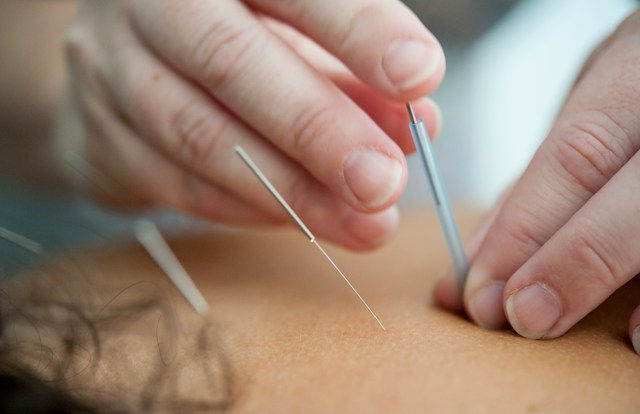
As an acupuncturist, I find that the most helpful place to begin is with a practical question. What would make today a little easier? For one person, it might be getting through breakfast. For another, it might be walking up the stairs. Acupuncture is one non-medication option to discuss with your prenatal care team, and the research varies depending on the symptom you want to address.
Can acupuncture help with pregnancy nausea and lower back pain?
In a 2023 randomized trial published in the Annals of Internal Medicine, 352 women in early pregnancy with moderate to severe nausea and vomiting received different combinations of acupuncture or sham acupuncture and medication or placebo. Over two weeks, acupuncture produced a small average improvement in symptom scores compared with sham acupuncture. The researchers were uncertain whether the difference was large enough to matter in daily life. If you’re vomiting and can’t keep fluids down, seek medical care right away.[1]
In a 2002 randomized trial of 593 women in early pregnancy, Smith and colleagues found that those who received traditional acupuncture reported less nausea and dry heaving than those who received no acupuncture. The sham acupuncture group also reported improvement in those symptoms later in the trial, and vomiting was similar across all four groups.[2]
A small controlled study published in Acupuncture in Medicine included 61 pregnant women with lower back or pelvic pain. Those who received acupuncture alongside usual care reported greater pain relief than those who received usual care alone. The study was small and used a quasi-randomized design, so it offers preliminary evidence.[3]
Making room for rest as birth approaches
Leg cramps and stress may also come up in a prenatal acupuncture visit. For recurring cramps, I encourage patients to bring them up with their prenatal care team. In my own practice, I estimate that about 8 in 10 pregnant patients I’ve treated for leg cramps have reported some relief. That’s a clinical observation from my practice, and published research on this specific symptom is limited. For someone feeling overwhelmed, the quiet of a session may offer time to rest and breathe. That experience is personal and can vary from one visit to the next.
As the due date approaches, preparing for birth can include finding ways to rest and talking through what to expect with your care team.
Can acupuncture and acupressure help during labor?
Once labor is underway, some people ask about acupuncture or acupressure for comfort. A 2017 review by Schlaeger and colleagues examined their use for labor pain and other outcomes during childbirth. A later Cochrane review found that acupuncture may improve satisfaction with pain relief compared with sham acupuncture, while its effect on pain intensity remained uncertain. If you’re interested in either option, ask your birth team what support is available where you plan to deliver.[4]
Caring for the mother before and after birth
In Traditional Chinese Medicine, I think of the weeks before birth as a time to conserve energy. That can look very ordinary. Sit down for a warm bowl of congee. Take a few quiet minutes between errands. Before the baby arrives, ask a friend if they can bring dinner during your first week home. It’s often easier to ask for specific help while you still have time to make a plan.
The Chinese tradition of zuo yue zi, or “sitting the month,” gives the mother a period of rest and care after birth. What I appreciate most about it is the role other people play. Someone makes the soup, refills your water, or takes care of the laundry. At home, you might borrow the parts of the tradition that suit you, such as warm meals you enjoy, fewer chores, and time to rest. Your postpartum care team can help you decide when to resume activity and answer questions about recovery, feeding, or mood.
When a newborn photo arrives, I often think about the ordinary days that came before it. A walk, a meal, a night of sleep. Those small parts of daily life are where I start when a patient asks what acupuncture might offer during pregnancy.
Read more from Dr. Nina Jatuparisuthiseen
Dr. Nina Jatuparisuthiseen, Acupuncturist
Dr. Nina Jatuparisuthiseen, DAc, L.Ac., LMT, C.SMA, LE, is a board-certified licensed acupuncturist and founder of Nina Acupuncture. She holds advanced training in sports medicine acupuncture, traditional Chinese medicine, and lifestyle and wellness coaching through Harvard Medical School Executive Education and specializes in evidence-based pain management, sports injury recovery, mental and women’s health, preventive care, and systems-based approaches to long-term health and resilience. Her work emphasizes mindful, ethical, and patient-centered care.
References:
[1] Wu XK, et al. Acupuncture and doxylamine-pyridoxine for nausea and vomiting in pregnancy. Annals of Internal Medicine. 2023, 176(7), 922–933
[2] Smith C, Crowther C, Beilby J. Acupuncture to treat nausea and vomiting in early pregnancy: a randomized controlled trial. Birth. 2002;29(1):1–9.
[3] Guerreiro da Silva JB, et al. Acupuncture for low back pain in pregnancy: a prospective, quasi-randomised, controlled study. Acupuncture in Medicine. 2004, 22(2), 60–67.
[4] Schlaeger JM, Gabzdyl EM, Bussell JL, Takakura N, Yajima H, Takayama M, Wilkie DJ. Acupuncture and acupressure in labor. Journal of Midwifery & Women’s Health. 2017;62(1):12–28.