7 Things That May Happen When You Get Acupuncture Regularly
Dr. Andrew Houn is a Doctor of Acupuncture and Chinese Herbal Medicine, professor, and founder of the award-winning Beyond Acupuncture in Dana Point, California, providing acupuncture services to Laguna Niguel, Dana Point, and Laguna Beach. He specializes in pain management, longevity, fertility support, women's health, and stress management.

Most people first try acupuncture because something is wrong. Their back hurts, they cannot sleep, they feel stressed, or they are recovering from an injury. But what happens when you continue getting acupuncture even after you start feeling better?
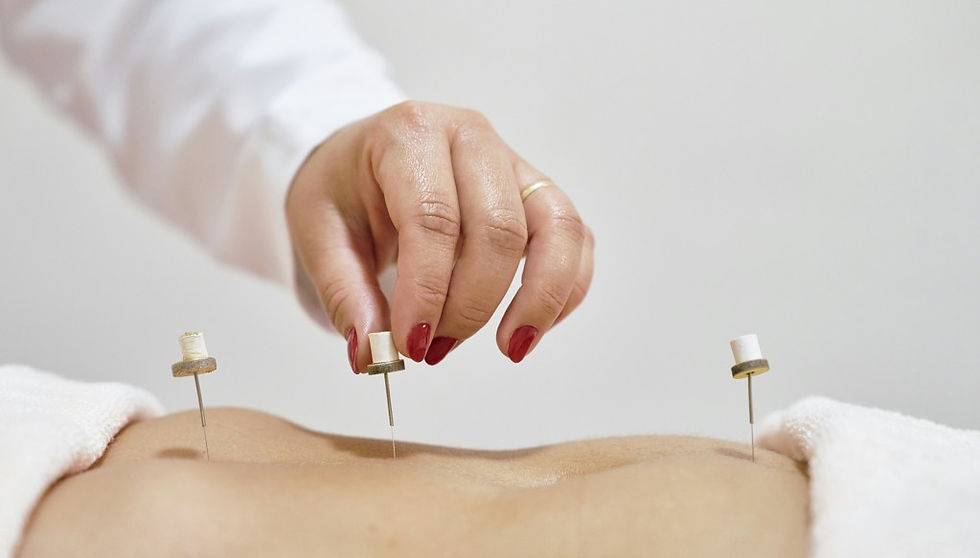
For many people, regular acupuncture becomes more than just a treatment for pain. It becomes part of a proactive approach to maintaining health, managing stress, improving sleep, and supporting overall well-being.
Research has identified several potential benefits of acupuncture, from pain relief and improved sleep to changes in nervous system activity.
The philosophy is simple: It is easier to stay well than to get well.
1. Your nervous system shifts into "rest and digest" mode
One of the most fascinating effects of acupuncture involves the autonomic nervous system, which regulates functions such as heart rate, digestion, and stress responses.
Our busy lifestyles can keep us feeling constantly stressed, tense, and overwhelmed. This is often associated with increased activity in the sympathetic nervous system, commonly known as the "fight-or-flight" response.
Acupuncture may help promote parasympathetic activity, the "rest-and-digest" state associated with relaxation and recovery.
A 2023 systematic review and meta-analysis found that acupuncture produced changes in heart rate variability consistent with increased parasympathetic nervous system activity compared with sham acupuncture.[1]
This may help explain why patients often feel deeply relaxed during treatment. Some notice their breathing slowing, their muscles releasing tension, and their minds becoming quieter. Others fall asleep on the treatment table.
For people dealing with everyday stress, this opportunity to relax can be one of acupuncture's most appealing benefits.
2. You may start sleeping better
One of the most common things I hear from patients after acupuncture is, "I slept really well last night." Sleep affects nearly every aspect of health, including energy, mood, memory, immune function, and physical recovery. Acupuncture has been studied for its potential to improve sleep quality and reduce insomnia symptoms.
A 2025 systematic review and meta-analysis involving 757 patients found that acupuncture significantly improved subjective sleep quality and insomnia severity compared with sham acupuncture.[2]
For people struggling with restless nights, difficulty falling asleep, or frequent waking, acupuncture may be a helpful addition to their sleep routine. When you sleep better, many other aspects of life can begin to feel easier.
3. You may experience less pain and muscle tension
Pain relief is one of the best-researched benefits of acupuncture. A major meta-analysis involving 20,827 patients across 39 randomized clinical trials found that acupuncture was more effective than both sham acupuncture and no-acupuncture controls for several chronic pain conditions.[3]
These included chronic back and neck pain, osteoarthritis, chronic headaches, and shoulder pain. Many patients seek acupuncture because of persistent discomfort that interferes with their work, exercise, sleep, or daily activities.
Regular acupuncture may help reduce pain, ease muscle tension, and improve physical comfort. Some people notice relief after their first session, while others experience gradual improvement over a series of treatments.
The goal is not simply to feel better for a few hours, but to achieve improvements that make everyday life more comfortable.
4. Your body may better regulate inflammation
Inflammation is part of the body's natural healing process. However, when inflammatory activity becomes excessive or persistent, it can contribute to pain and discomfort. Acupuncture is increasingly being studied for its interactions with the nervous and immune systems.
Experimental research has identified neural pathways through which acupuncture stimulation can influence inflammatory responses.
These findings offer an interesting scientific explanation for how acupuncture may affect more than just the area where needles are inserted.
For people managing recurring discomfort, this connection between the nervous system and inflammatory regulation is one reason acupuncture continues to attract scientific interest.
5. You may feel more comfortable moving and recovering
Whether you spend long hours sitting at a desk, exercise regularly, or are recovering from an injury, physical tension can gradually build up.
Acupuncture is commonly used to address muscle discomfort, stiffness, and musculoskeletal pain. By helping reduce pain and tension, acupuncture may make everyday movement more comfortable.
Some patients notice that turning their neck, bending forward, walking, or exercising becomes easier as their symptoms improve.
Acupuncture can also complement physical therapy, exercise, and other rehabilitation approaches. When discomfort decreases, it often becomes easier to stay active, and staying active is an important part of maintaining long-term health.
6. You may experience fewer headaches
Recurring headaches can affect concentration, productivity, sleep, and quality of life. Acupuncture has been studied for both tension-type headaches and migraines, with research supporting its potential to reduce headache frequency in some patients.
Rather than waiting until a headache becomes severe, regular treatment may help some individuals manage recurring episodes.
Patients sometimes report fewer headaches, less neck and shoulder tension, and greater comfort throughout the week.
For those who frequently struggle with headaches, even a modest reduction in frequency can make a meaningful difference in everyday life.
7. You may feel more balanced and in tune with your body
One of the benefits patients often describe is simply feeling better overall. They may notice that they are sleeping more comfortably, carrying less tension, managing stress more effectively, or feeling more relaxed.
Regular acupuncture appointments also provide an opportunity to pay attention to changes in your health that might otherwise go unnoticed.
In Traditional Chinese Medicine (TCM), maintaining balance and supporting the body's natural functions have long been central principles.
This perspective encourages us to think about health as something we actively maintain rather than something we address only when problems arise.
Sometimes the most meaningful change is not dramatic. It is realizing that you are feeling more comfortable, sleeping better, and navigating daily life with less stress.
How often should you get acupuncture?
One of the most common questions patients ask is, "How often should I get acupuncture?" The answer depends on your condition, symptoms, and treatment goals.
Some people begin with acupuncture once a week, while others with more active or persistent conditions may benefit from several treatments per week.
Interestingly, research suggests that treatment frequency can influence results. A 2025 systematic review and meta-analysis examined 4,019 patients across 56 randomized controlled trials involving acupuncture for primary insomnia. Researchers identified favorable outcomes with treatment frequencies of three or more sessions per week and treatment courses of approximately 12 or more sessions over three to four weeks.[4] These findings illustrate an important principle: The number and frequency of acupuncture treatments can matter.
When addressing an active health concern, more frequent treatments may help patients build on improvements from previous sessions.
As symptoms improve and become more stable, appointments can often be spaced farther apart. Some patients eventually transition to weekly, biweekly, or monthly treatments as part of their ongoing wellness routine.
There is no universal schedule that works for everyone. The goal is to find a frequency that supports your individual needs.
Why wait until something goes wrong?
One of the central philosophies of Traditional Chinese Medicine is the importance of maintaining health before illness develops. Yet many of us approach healthcare reactively.
We wait until back pain becomes unbearable, sleep deteriorates, stress becomes overwhelming, or a minor problem begins interfering with everyday life. But consider how we maintain other important things.
We service our cars instead of waiting for the engine to fail. We exercise to maintain strength and mobility. We brush our teeth rather than waiting for cavities.
Why should taking care of our health be any different?
Regular acupuncture can be part of a broader approach to wellness, alongside exercise, good nutrition, quality sleep, and other healthy habits.
For people who benefit from acupuncture, continuing treatment periodically may help manage recurring symptoms and support their sense of well-being.
Rather than viewing acupuncture only as something to seek when you're in pain, consider how it might fit into your overall approach to maintaining health.
The bottom line
Acupuncture does not have to be something you seek only when you are hurting. Regular treatments may help reduce pain, improve sleep, promote relaxation, manage recurring headaches, and support overall well-being.
At Beyond Acupuncture in Dana Point, California, acupuncture services are provided to Laguna Niguel, Laguna Beach, Dana Point, and surrounding South Orange County communities. Treatment plans are tailored to each patient's individual health concerns and goals.
Some patients begin with more frequent appointments and gradually reduce their treatment frequency as they improve. Others return periodically as part of their personal wellness routine.
Ultimately, the best treatment schedule is one that works for your body and your health goals. Don't wait until your body is screaming for attention before you start taking care of it. It is often easier to stay well than to get well.
Read more from Andrew Houn
Andrew Houn, Acupuncture for Health and Longevity
Dr. Andrew Houn is a Doctor of Acupuncture and Chinese Herbal Medicine (DACCHM), professor, and founder of the award-winning Beyond Acupuncture in Dana Point, California. His clinic serves Laguna Niguel, Dana Point, and Laguna Beach with acupuncture and Chinese herbal medicine. His specialties include pain management, longevity, fertility support, women's health, digestive disorders, neurological conditions, stress management, and post-surgical recovery. He earned his doctorate from Pacific College of Health and Science and a master's degree from South Baylo University, where he teaches. He also holds degrees from Johns Hopkins University and UC Berkeley, studied at Shanghai Jiao Tong University, and worked at UC Irvine Medical Center.
References:
[1] Hamvas SZ, et al. Acupuncture increases parasympathetic tone, modulating HRV: Systematic review and meta-analysis. Complementary Therapies in Medicine. 2023;72:102905.
[2] Wang Y, et al. Acupuncture for chronic insomnia disorder: A systematic review with meta-analysis and trial sequential analysis. Frontiers in Neurology. 2025;16:1541276.
[3] Vickers AJ, et al. Acupuncture for chronic pain: Update of an individual patient data meta-analysis. Journal of Pain. 2018;19(5):455–474.
[4] Zhang X, et al. The dose–effect relationship between acupuncture and its effect on primary insomnia: A systematic review and meta-analysis. Frontiers in Psychiatry. 2025;16:1501321.