5 Reasons To Exercise During Retirement
Updated: Mar 6, 2025
Written by: Jennifer Rovet, CPRC, Executive Contributor
Executive Contributors at Brainz Magazine are handpicked and invited to contribute because of their knowledge and valuable insight within their area of expertise.

When I read in 2019 that Luke Perry (who played Dylan McKay on Beverly Hills 90210) had passed away because of a stroke, I was crushed and shocked. How could this happen? My high school heartthrob was gone. And at such a young age! Luke Perry was only 52 when he suffered a massive stroke. Although strokes of this magnitude are not common at his age, it illustrates that anything can happen, and life can be cut short. I don’t know if Luke was a healthy or fit man, but it’s a good reminder for everyone, no matter what their age, to look after themselves and their body.
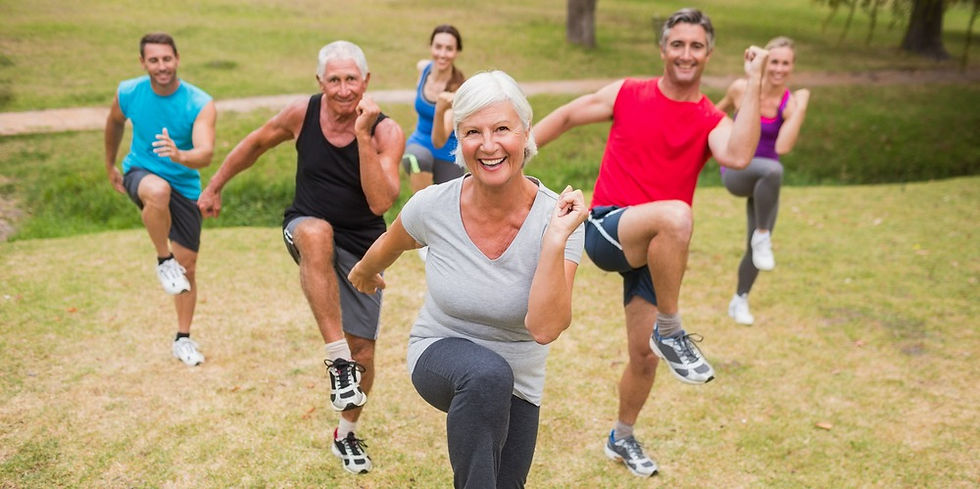
But this information isn’t new, we all know this. Every day new articles are published about exercise and weight loss. Even on TV, you can’t go five minutes without seeing a commercial trying to sell a new weight loss product or piece of exercise equipment. And what about all those reality shows where contestants work with trainers, for several hours a day, shedding up to hundreds of pounds and after a few months their transformations are shocking and unbelievable. But that’s not reality! Many of us, even in retirement, live busy lives, with children, grandchildren, and other responsibilities and obligations. The challenge for most is trying to fit some physical activity into our daily or weekly routines.
In Canada, close to 8000 people retire each week. In the United States, that number is closer to 10,000 people retiring every day. While many may not be able to do the same level of physical activity they did 10 or 20 years ago, retirees are healthier and living on average seven years longer than generations past. With statistics like this, it’s even more important that retirees keep moving and continue to be physically fit. We know exercise is good for us at any age and it has significant health benefits, especially for those in their retirement years. The good news is that even a little exercise, just ten minutes a day can have noteworthy effects on the body.
5 reasons for retirees to exercise
1. Exercise is good for the brain
When we exercise, a hormone called irisin is released in our bodies. According to a study published in the journal of Nature Medicine, that hormone may help improve brain function, combat memory loss, and reduce the damage done by dementia. In fact, exercise helps reduce the risk of developing dementia. A study published in the Journal of Alzheimer’s Disease showed that living a sedentary lifestyle in retirement years can actually increase the risk of developing dementia. The study analyzed more than 1,600 older adults over five years and found that those who did not exercise were more likely to develop dementia than those who did. Now that’s a good incentive to get moving!
2. Helps prevent disease or chronic conditions
According to the National Institute of Aging, regular cardiovascular exercise, such as brisk walking, cycling, or light housework – anything that raises the heart rate – will increase blood flow to the heart, boost your overall health and may delay or even prevent diseases like diabetes, cancer, stroke, and heart disease. Exercise can also help alleviate symptoms of depression and improve mood in general.
3. Helps prevent falls and builds bone density
Improving muscle strength and bone density helps improve balance which can lead to a reduction and the risk of falling. In fact, the World Health Organization (WHO) states that regular exercise can reduce the risk of having a hip fracture by 40%. Furthermore, weight-bearing exercises such as walking or light jogging can help increase the strength of bones and reduce the risk of developing osteoporosis. That’s good news for women who are at a greater risk for osteoporosis than men. The International Osteoporosis Foundation estimates that osteoporosis affects about 200 million women worldwide.
4. Exercise can strengthen social ties
Group exercises such as a walking group, yoga, or dance class can also be fun social events. For many retirees, these types of group interactions can add a sense of purpose to their lives and help avoid feelings of loneliness or depression. Group exercise can even increase confidence levels and provide a sense of independence. The key is to find a form of exercise that you love and enjoy the people you are doing it with.
5. Exercise will help you live longer
Living a sedentary lifestyle is according to WHO, one of the ten leading causes of death and disability. Even gentle, regular exercises such as walking or swimming, can increase lifespan by around three to five years.
Exercise should not be an option. With all the known benefits that exercise provides, especially living a longer life, why wouldn’t you want to exercise? If it is something that is new to you, don’t worry, it’s not too late to start. Family and friends can be great supporters and offer lots of ideas. If you are working with a retirement coach, he or she too can explore numerous options with you. Even visiting your local community center can provide a list of many different types of activities. There’s bound to be one that is right for you.
So go ahead. What are you waiting for?
Follow me on Facebook, Instagram, LinkedIn, and visit my website for more info!
Jennifer Rovet, CPRC, Executive Contributor Brainz Magazine
Jennifer Rovet is a Certified Professional Retirement Coach and owner of Retire Ready Canada. She started her coaching business in 2019 when she saw a need to help people as they started to plan and transition into retirement. While retirement can be an exciting time, people choose to work with a Retirement Coach when they are struggling, maybe feeling overwhelmed and not sure what to do once they leave the traditional 9-5 working world. Jennifer is passionate about helping people find purpose, meaning, and happiness in their retirement years. She empowers her clients to find ways to keep active and connected in this next stage of life.