Why Protein Is So Important For Performance And Productivity
Lauren Saint-Louis is a fitness and nutrition coach and founder of LSL Fitness. She specializes in helping today’s high-performing professionals build fitness-forward lifestyles and sustainable habits and overcome the “all-or-nothing mentality” when it comes to behavior change.

In the fast-paced days of busy professionals, maintaining peak performance involves more than staying on top of meetings or managing deadlines. It's also about ensuring your body and mind are fueled for success.
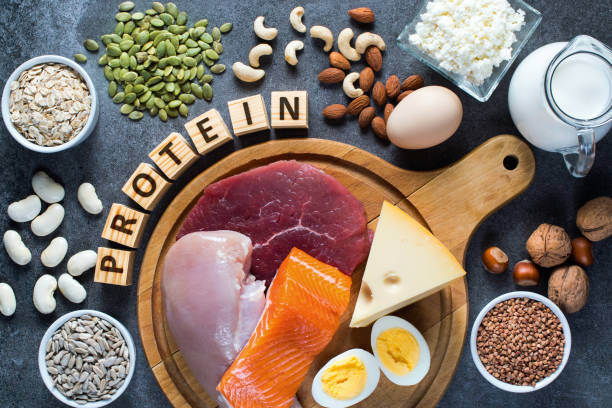
Protein, known for its role in muscle building, is equally crucial for brain function, energy levels, and overall productivity. Whether you’re leading a board meeting, tackling a complex project, or simply navigating a busy day, protein is the power player that can make all the difference.
I specialize in coaching busy professionals trying to prioritize their health. Nearly all of them aren’t consuming enough protein when they begin their fitness journey. Once their intake increases, they see how beneficial it is to their body composition and mental resilience. Let’s explore why protein is so important for your performance at work and how you can harness its benefits to stay at the top of your game.
What does protein do?
Protein is one of the essential macronutrients your body needs to function optimally. It plays a key role in building and repairing tissues, producing enzymes and hormones, and supporting immune function.
Protein is also a critical component for cognitive function, energy management, and satiety, all of which directly impact your ability to perform at work. Carbohydrates are also an important macronutrient. However, carbs, especially those that are processed, can cause energy spikes, which are often followed by crashes. Crashes can lead to brain fog, fatigue, and cravings.
Protein, however, keeps you satiated, helping you stay focused and alert throughout the day.
I recommend getting 0.8 to 1 gram of protein per pound of body weight. You can achieve this target by prioritizing eating more often and portioning effectively.
Additionally, the more protein you consistently consume, the more quality muscle you can build through resistance training. The more muscle you have directly correlates to a higher resting metabolic rate, which allows you to burn more calories at rest.
Why do we need protein?
1. Brain function
Protein is a key player in brain health and cognitive function. The amino acids in protein are the building blocks of neurotransmitters, the chemicals that transmit signals between nerve cells.
Neurotransmitters, such as dopamine and norepinephrine, are involved in focus, motivation, and attention. They rely on your adequate protein intake to function effectively.
When you’re low on protein, your ability to concentrate and stay on task can diminish, leading to decreased productivity and mental fatigue. For driven professionals, maintaining sharp focus is non-negotiable, and protein can help ensure your brain is firing on all cylinders.
2. Satiety & energy
Ever notice how a high-carb meal leaves you feeling sluggish a few hours later? That’s because carbs are quickly digested and absorbed into the bloodstream, leading to a rapid spike in blood sugar. A spike is typically followed by a crash. Protein, on the other hand, when combined with carbs, digests and absorbs more slowly, providing more sustained energy.
This slower digestion keeps your blood sugar levels more stable, preventing any dips. You’ll feel fuller for longer, which will reduce that urge to snack on unhealthy options. By incorporating protein into your meals, you can maintain satiety throughout the day so you can focus during those long meetings or late-night work sessions.
How to prioritize protein?
1. Breakfast
Breakfast is often touted as the most important meal of the day, and for good reason. Starting your day with a protein-rich breakfast sets the tone for sustained energy and mental clarity.
Front-loading your day with protein ensures that you have the necessary fuel to power through your morning tasks without experiencing the mid-morning energy slump.
I recommend aiming for 30 grams of protein, whether from eggs, Greek yogurt, or a protein smoothie. A protein-packed start can help stabilize blood sugar levels and keep hunger at bay until lunch. For professionals with packed schedules, a solid breakfast is essential for maintaining peak performance.
2. Afternoon snacks
The afternoon is often when energy levels start to dip, and the temptation to reach for sugary snacks or another cup of coffee can be strong. Instead of relying on quick fixes that lead to energy crashes, opt for protein-rich snacks to keep your momentum going.
Turkey slices, hard-boiled eggs, or a protein bar can provide the perfect pick-me-up without the crash. High protein snacks help to maintain energy levels and keep your brain sharp, ensuring you can finish the day as strong as you started.
For professionals, having a strategic approach to afternoon nutrition can be the difference between coasting through the afternoon and hitting a wall. Keep snacks at your desk and set an afternoon reminder to grab one.
Fueling success with protein
As you navigate busy days and travel commitments, nutrition should be your first priority. Consider protein as your “executive assistant” in maintaining the energy, focus, and resilience needed to excel in today’s competitive environment. By strategically incorporating protein into your meals and snacks, you can sustain your performance, ensuring that you’re always operating at your best.
If you’re a busy professional looking to optimize your nutrition, download from LSL Fitness, The Ultimate Nutrition Guide for Today’s Professional. This guide provides realistic and simple strategies to help you fuel your success in different environments, one meal at a time.
Read more from Lauren Saint-Louis
Lauren Saint-Louis, Fitness & Nutrition Coach
Lauren Saint-Louis is an Exercise Physiologist and fitness & nutrition coach based in NYC. She specializes in behavior and lifestyle change, habit development and is passionate about helping clients overcome the “all or nothing mentality”. She founded LSL Fitness to help today’s high-performing professionals elevate the version of themself that they bring to their career and life.