Why Motorcycle Riding is More Than a Hobby – The Lifestyle Behind Life on Two Wheels
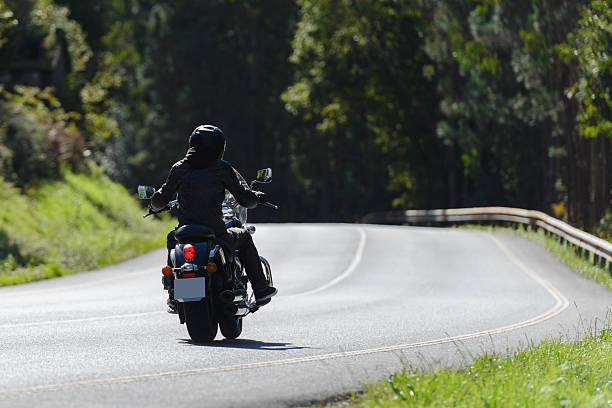
There is a moment every rider knows: the engine settles into a steady hum, the road opens up ahead, and everything else falls away. That moment is not an accident. It is the reason people build their lives around two wheels.
The freedom of life on two wheels
A car insulates you from the world. A motorcycle puts you inside it. The temperature shifts as you drop into a valley. The smell of rain hits before the clouds do. Every curve in the road asks something of you, and you answer with your whole body. That kind of physical engagement makes even a familiar commute feel like something worth doing.
The appeal of open roads and spontaneous trips
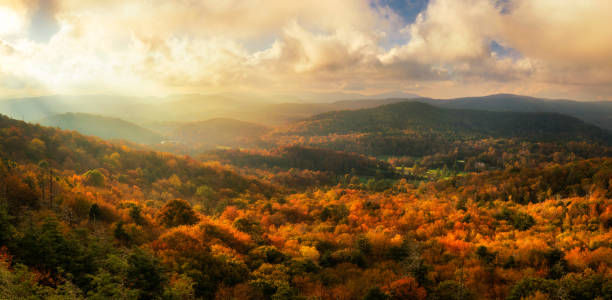
Motorcycles reward spontaneity in a way that cars rarely do. Passing an unmarked turnoff and deciding to follow it costs nothing. Pulling over to watch the sun set over a ridgeline takes thirty seconds. The bike does not care about the plan, and neither do most riders once they are moving.
How motorcycles turn ordinary journeys into experiences
The route to the grocery store becomes a different thing entirely on a motorcycle. Distance stops being an obstacle and starts being the point. Riders do not just move through landscapes. They read them, feel them, and remember them in ways that passengers in closed vehicles rarely do.
Building a lifestyle around your motorcycle
Fitting riding into real life takes some intention, but it is more manageable than most people expect. Weekend mornings are a natural starting point. A two-hour loop before the rest of the household is awake costs nothing but an early alarm. Longer trips, the kind that cross state lines or chase a specific stretch of highway, take more planning but follow the same logic: pick a direction, leave early, and stay flexible.
Total motorcycle registrations in the United States reached approximately 9.3 million units in 2024, which tells you something about how many people have already made this calculation and decided riding is worth organizing a life around. Motorcycle-friendly destinations have grown alongside that number. Many hotels now offer covered parking and early checkout for riders who want to beat the heat. Scenic byways across the Southwest, the Appalachians, and the Pacific Coast have entire communities built around serving people on two wheels.
The motorcycle community
Group rides and riding clubs are where the lifestyle deepens into something social. A solo ride is meditative. A group ride is something else entirely: a shared experience with its own rhythm, its own pace, and its own unspoken agreements.
Group rides and riding clubs
Most clubs organize regular rides, charity events, and longer overnight trips. Some are brand-specific. Others are open to anyone with a license and a willingness to show up. The barrier to entry is low, and the regulars are almost always willing to bring someone new into the fold.
The unwritten etiquette of the road
The wave between passing riders is the most visible part of motorcycle culture, but the etiquette runs deeper. You do not leave a rider stranded on the side of the road. You do not pass a slower rider in the group without signaling. You check in at fuel stops and wait for everyone before moving on. These habits are not written down anywhere, but they are understood and respected across every riding community.
Meeting people through motorcycle culture
Bike nights, swap meets, and manufacturer rallies draw riders together in ways that feel genuinely organic. The conversation starter is always the machine, but the friendships that develop tend to outlast any particular bike or riding season.
Gear, bikes, and personal style
Choosing a motorcycle is a surprisingly personal decision. Cruisers suit riders who prefer a relaxed posture and long, straight highways. Sport bikes attract riders who want precision and performance. Adventure bikes appeal to people who refuse to choose between pavement and dirt. The bike ends up saying something about the rider before a word is spoken.
Protective gear has followed the same trajectory. A decade ago, the choice was between looking protected and looking good. That gap has closed considerably. Modern helmets, jackets, and boots are engineered for serious impact protection while fitting the aesthetic that riders actually want to wear. Gloves with reinforced palms, jackets with CE-rated armor at the shoulders and elbows, and boots with ankle protection have all become standard in serious riding circles without sacrificing style.
Customization adds another layer. Tank grips, handlebar risers, aftermarket exhaust systems, and custom paint jobs turn a stock motorcycle into something that reflects its owner. Maintenance keeps that investment running. Regular oil changes, tire pressure checks, chain lubrication, and brake inspections are the unglamorous work that makes the glamorous rides possible.
Making every ride more enjoyable
The best rides are rarely the most ambitious ones. A rider who plans every stop, calculates every mile, and optimizes every minute tends to finish the day feeling like they managed a project rather than experienced a ride. Leaving room in the itinerary for a detour, a long lunch, or an unplanned conversation with a stranger at a gas station usually produces a better story.
Taking breaks matters on a practical level too. Fatigue affects concentration, and concentration is what keeps a rider safe. Stopping every ninety minutes or so, stretching, drinking water, and checking the bike before continuing is not inefficiency. It is good riding. Full stop.
When a great ride takes an unexpected turn
Most rides end the way they begin: uneventfully, with the bike parked and the rider already thinking about the next one. But the road carries real risk, and riders who acknowledge that tend to handle it better when something goes wrong.
Motorcycles make up only 3% of all registered vehicles and 0.6% of all vehicle miles traveled in the United States, yet motorcyclists accounted for 16.2% of all traffic fatalities and 3.6% of all injuries in 2024, according to the National Safety Council. Those numbers reflect the physics of riding: no crumple zones, no airbags, and no steel cage between the rider and whatever hits them.
What to do after a collision
If a collision happens, the steps matter. Get to safety if possible. Call 911. Document the scene with photos before anything is moved. Collect contact and insurance information from any other drivers involved. And decline to give recorded statements to insurance adjusters before speaking with someone who understands how these claims work.
Getting appropriate help
Riders injured through someone else's negligence often face pushback from insurers who undervalue motorcycle injury claims or dispute liability outright. A Mesa motorcycle accident attorney can help injured riders in the area understand what their claim is actually worth and work through the process without giving up leverage early.
Keeping the motorcycle lifestyle going for years
Longevity in riding comes down to a few consistent habits. Riders who take refresher courses every few years stay sharper than those who assume experience alone is enough. Skill erodes without practice, and the roads change. New hazards, new traffic patterns, and new vehicle types all warrant updated awareness.
Keeping the bike in good condition is the other half of the equation. A well-maintained motorcycle is more predictable, which makes every ride safer and more enjoyable. Neglected maintenance introduces variables that skilled riding cannot always overcome.
The lifestyle also benefits from variety. Exploring new roads, visiting new destinations, and riding with different groups keeps the experience fresh. Riders who stay curious tend to stay engaged. And riders who stay engaged tend to stay safe.
The road ahead
The riders who stick with this lifestyle for decades are not the ones who treated it as a phase. They are the ones who built it into the structure of their lives, found their community, kept their skills sharp, and never stopped looking for the next road worth riding. That kind of commitment does not require anything dramatic. It just requires showing up, one ride at a time.